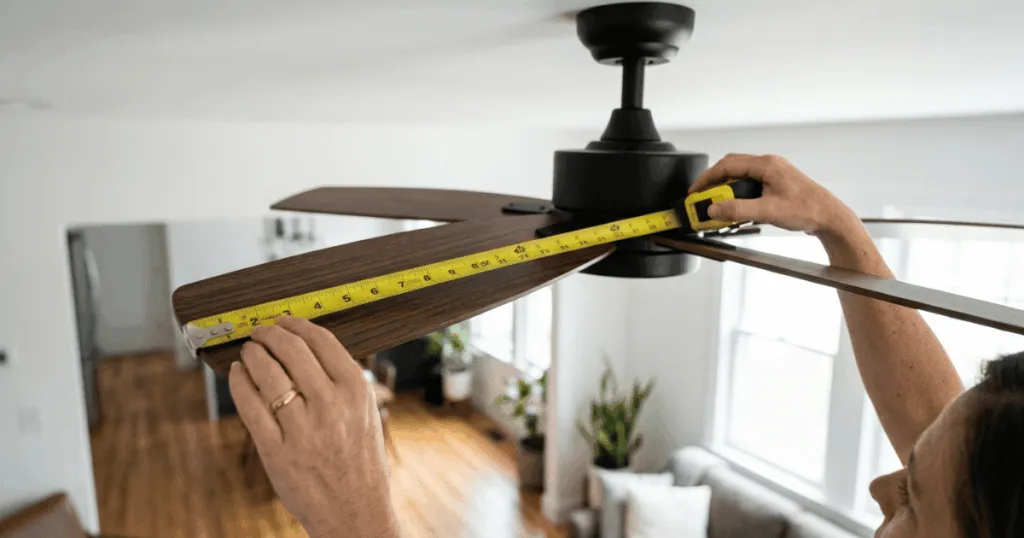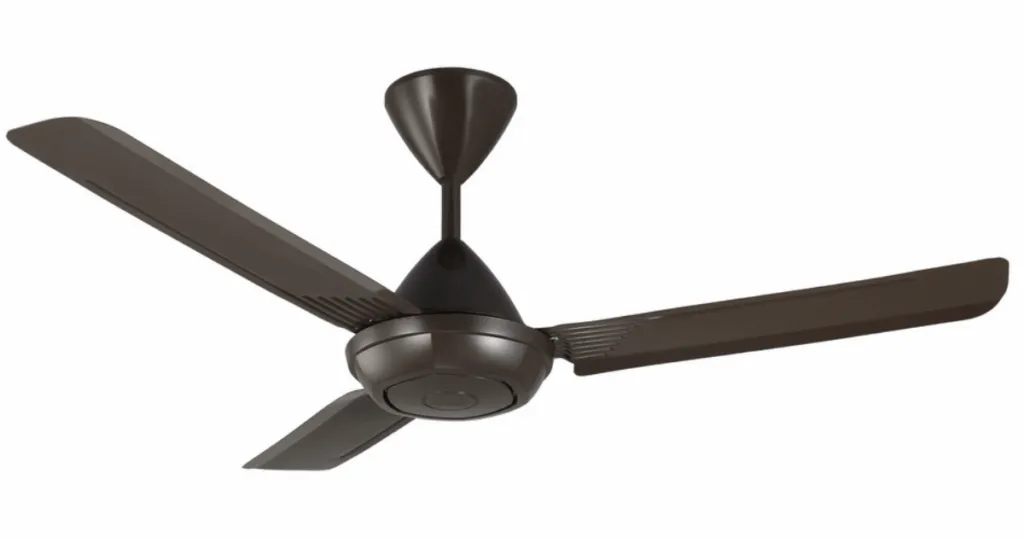
When you are working with limited square footage, 24″-36″ small ceiling fans offer a practical way to improve air circulation without overwhelming the room. These compact models are specifically engineered for areas where standard-sized fans would look disproportionate or physically obstruct movement. Choosing the right unit requires balancing the physical dimensions of the fan with the specific airflow needs of your space, ensuring that you achieve a comfortable breeze without creating a wind tunnel effect in a small corner.
In practice, these fans are not just about saving space; they are about optimizing the micro-climate of rooms like laundry areas, small home offices, or breakfast nooks. By focusing on the blade span and motor efficiency, you can select a fixture that provides consistent cooling or air movement, helping to prevent stagnant air in areas that often lack adequate ventilation.
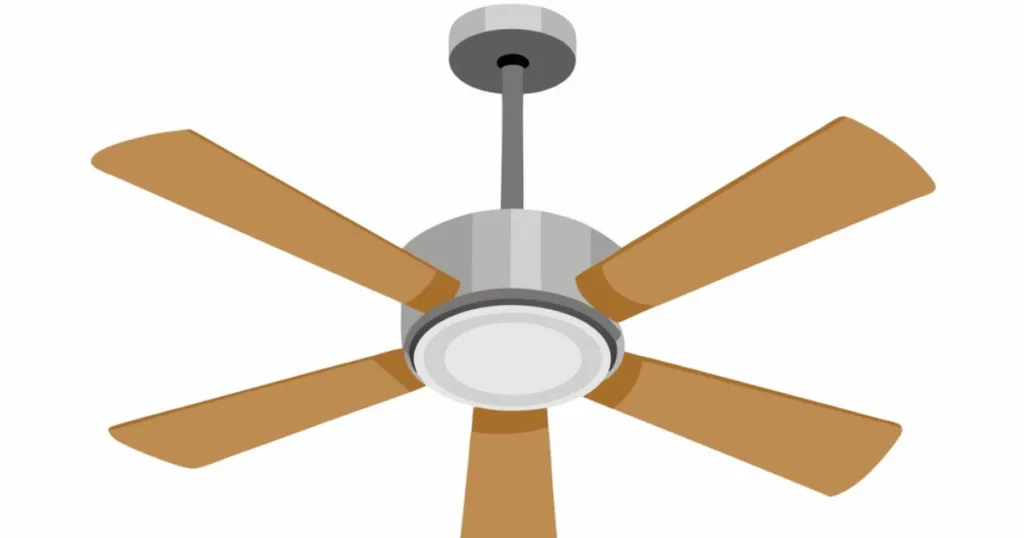
Factors Influencing Your Choice of Small Ceiling Fans
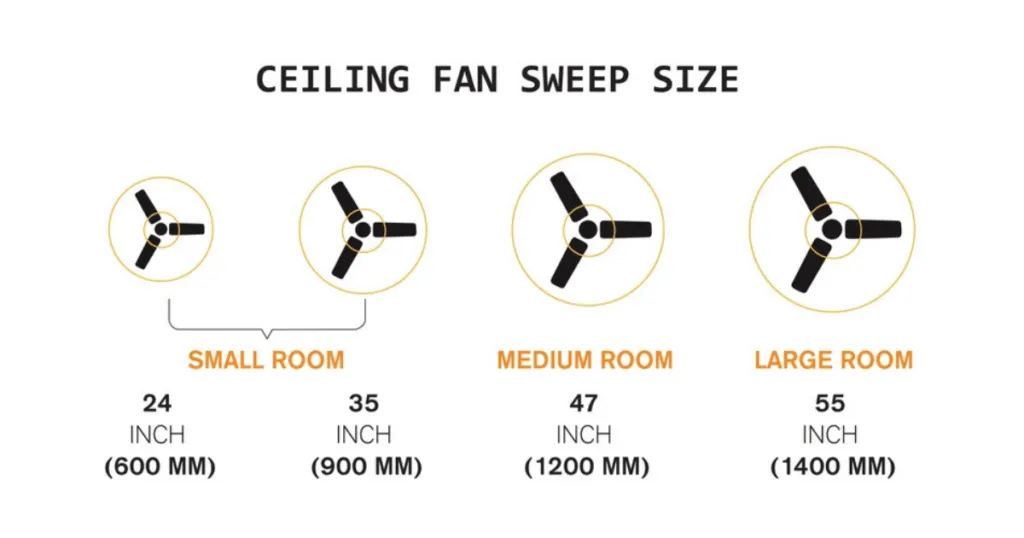
The primary consideration when evaluating 24″-36″ small ceiling fans is the relationship between blade span and room dimensions. A fan that is too small for a room will fail to circulate air effectively, while one that is too large can create an uncomfortable, choppy airflow. For rooms under 100 square feet, a 24-inch to 36-inch span is generally the recommended starting point for effective air distribution.
Blade Pitch and Airflow Efficiency
Blade pitch—the angle at which the blade is set—is a critical factor that many homeowners overlook. A steeper blade pitch generally moves more air, but it also requires a more powerful motor to maintain efficiency. In smaller fans, manufacturers often use a moderate pitch to balance the need for air movement with the limitations of a compact motor housing. When selecting a unit, look for information regarding the cubic feet per minute (CFM) rating, which indicates the volume of air the fan can move at its highest setting.
Motor Performance and Noise Sensitivity
Because these fans are often installed in bedrooms, nurseries, or home offices, noise sensitivity is a significant factor. Compact motors can sometimes run at higher RPMs to compensate for shorter blades, which may increase audible hum or vibration. Opting for a high-quality DC motor can often mitigate these issues, as they tend to run quieter and offer more granular control over speed settings compared to traditional AC motors. If the fan is intended for a quiet workspace, prioritize models that emphasize silent operation or low-vibration mounting systems.
Mounting Height and Clearance Requirements
Ceiling height dictates the mounting style, which is especially important in smaller rooms that may have lower ceilings. For rooms with ceilings under 8 feet, a flush-mount or “hugger” style fan is essential to maintain safety and visual clearance. If you have higher ceilings, a downrod mount allows the fan to sit at the optimal height for air circulation, usually 8 to 9 feet above the floor. Always ensure there is at least 18 inches of clearance between the blade tips and the nearest wall to prevent air turbulence and potential damage.
Real-World Context for Compact Installations
Installing 24″-36″ small ceiling fans in real-world scenarios requires attention to the specific function of the room. In a laundry room, for instance, a small fan can help dissipate humidity and prevent musty odors, provided it is rated for damp locations. In this context, you should look for fans with moisture-resistant finishes and blades, as standard indoor-rated materials may warp or corrode over time when exposed to frequent steam.
In a home office or reading nook, the priority shifts to consistent, gentle air movement. A 36-inch fan is often the “sweet spot” for these areas, providing enough coverage to keep the air fresh without distracting from your work. If you are replacing an existing light fixture with a fan, consider the electrical box capacity. Many older ceiling boxes are not rated to support the weight and torque of a ceiling fan; you must ensure the junction box is fan-rated to avoid safety hazards.
Another practical consideration is the integration of lighting. Many compact fans come with integrated LED light kits, which is a space-saving benefit in rooms that lack secondary lighting. However, check the light output (measured in lumens) to ensure it meets your needs. A dim, flickering light in a small room can be just as frustrating as poor air circulation. If you prefer a cleaner look, some models offer a cap to cover the light kit area if you decide you do not need the extra illumination.
Why Proper Sizing Matters for Daily Comfort
The importance of selecting the right size fan extends beyond simple aesthetics. When a fan is correctly sized for a room, it creates a consistent, comfortable environment that reduces the reliance on central air conditioning. This is particularly relevant in smaller rooms where heat can build up quickly, such as a sun-drenched home office. By maintaining a steady breeze, you can often keep the room feeling several degrees cooler, which helps manage energy use throughout the day.
Furthermore, the visual impact of a fan in a small room is significant. A large fan can make a small space feel cramped and cluttered, drawing the eye upward and emphasizing the lack of square footage. A 24″-36″ small ceiling fan acts as a proportional anchor, maintaining the room’s sense of scale while providing necessary functionality. Choosing a finish that complements your ceiling color or trim can help the fan blend into the architecture, making the room feel larger rather than smaller.
Common Misconceptions About Small Fans
A frequent misconception is that smaller fans are inherently less effective than larger ones. While it is true they move less total air, their effectiveness is relative to the space they are intended to cool. A 36-inch fan in a 60-square-foot room is often more effective than a 52-inch fan, which might create too much turbulence and make the room feel chaotic. Effectiveness is about matching the fan’s output to the room’s volume, not simply choosing the biggest motor available.
Another misunderstanding involves the assumption that all small fans are “budget” models. While there are many entry-level options, there is also a wide tier of high-performance, design-forward small fans that utilize advanced materials and engineering. If you are looking for long-term reliability and quiet performance, it is worth looking beyond the lowest-priced options. Investing in a unit with a robust warranty and a reputable motor design will save you the hassle of premature replacement or annoying mechanical issues down the road.
Advanced Considerations: Balancing Aesthetics and Utility
When selecting 24″-36″ small ceiling fans, homeowners should evaluate the structural integrity of the ceiling. Because these fans are often installed in older homes or converted spaces, the existing wiring and mounting hardware may not be sufficient. Always verify the weight rating of your ceiling support. Even a small fan exerts significant torque when starting and stopping, which can loosen an improperly secured junction box over time. If you are unsure, consulting a professional to install a fan-rated box is a necessary investment in safety.
Furthermore, consider the control mechanism. In small rooms, wall switches are often preferred to avoid losing a remote control. However, many modern compact fans come with proprietary remotes. If you are retrofitting a space, look for models that offer wall-mounted control options or compatibility with existing smart home systems. This prevents the frustration of searching for a remote in a confined space and ensures that the fan remains accessible for daily use.
Finally, think about the long-term maintenance of your fan. Compact fans often have tighter tolerances in their motor housings, making them slightly more difficult to clean if dust accumulates. Choose a model with accessible blades and a finish that is easy to wipe down. Regular maintenance—such as dusting the blades and checking for loose screws—will extend the life of the motor and keep the fan operating at its peak efficiency for years to come.
FAQ
Are 24″-36″ small ceiling fans suitable for outdoor use?
Only if the fan is specifically rated for damp or wet locations. Standard indoor 24″-36″ small ceiling fans are not designed to withstand humidity, temperature fluctuations, or direct moisture, which can cause motor failure or blade warping.
Can I install a small ceiling fan on a sloped ceiling?
Yes, but you must check the manufacturer’s specifications for the maximum slope angle. You may need an additional slope adapter kit to ensure the fan hangs level and operates without wobbling.
How do I determine if my ceiling junction box can support a fan?
You must verify that the junction box is marked as ‘fan-rated’ or ‘suitable for fan support.’ If it is a standard light fixture box, it will not be able to handle the weight or the torque of a ceiling fan, and it must be replaced by a qualified professional.