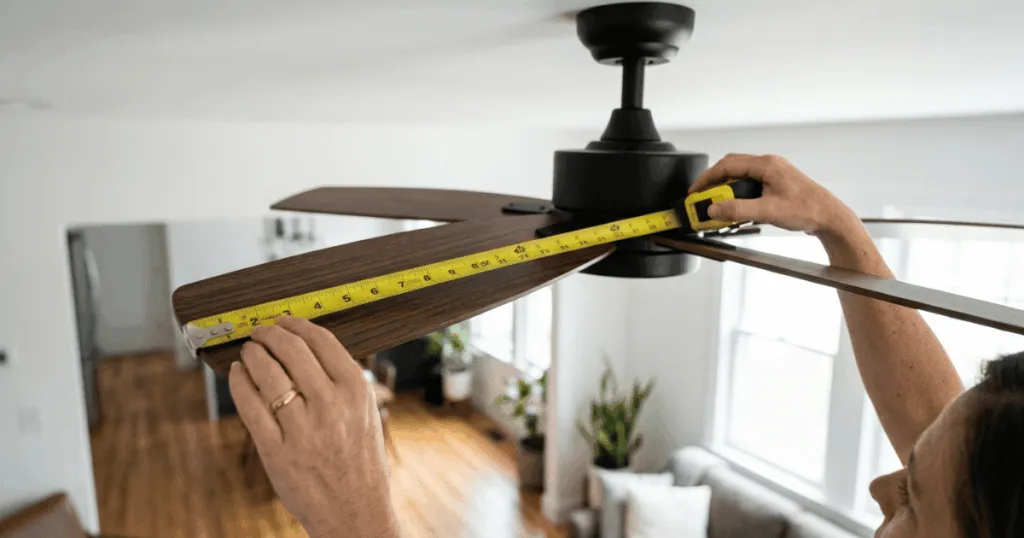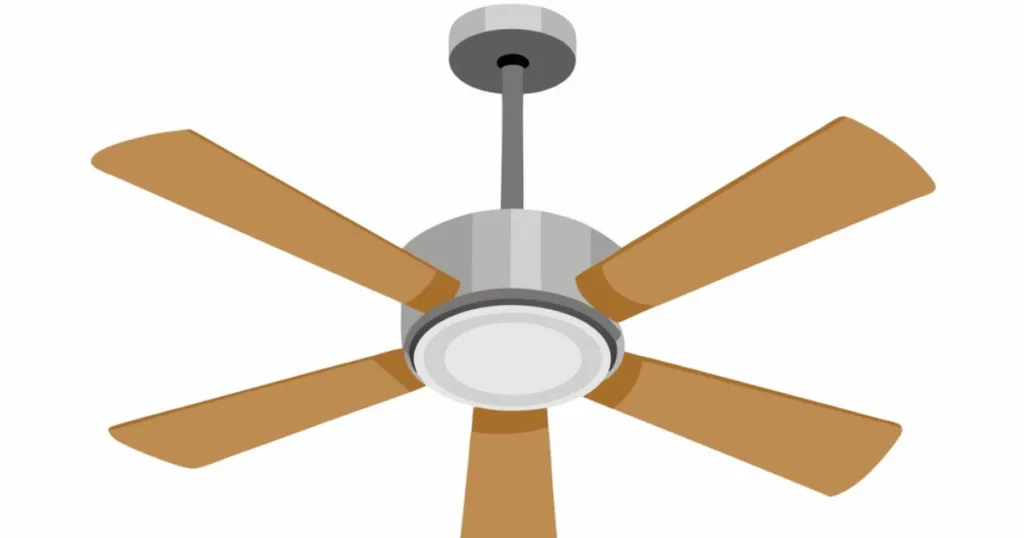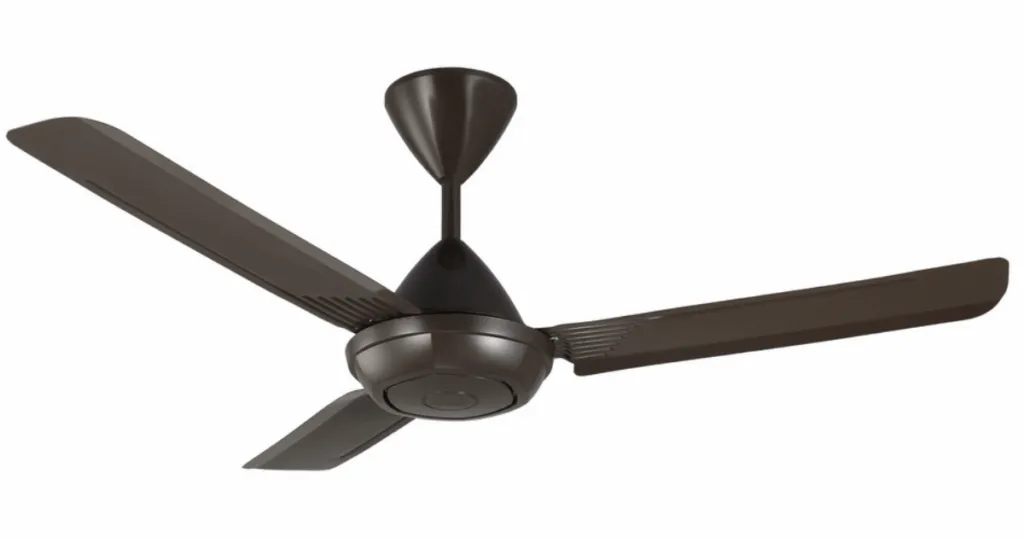
When selecting a ceiling fan, the most common mistake is assuming that bigger is always better. In reality, the effectiveness of air circulation depends heavily on matching the fan diameter to the specific dimensions of your room. 42″-48″ Medium Ceiling Fans occupy a critical niche in residential design, providing sufficient airflow for standard-sized living areas without overwhelming the visual space or creating excessive turbulence.
Understanding the relationship between blade span and room coverage is the key to achieving comfort. A fan that is too small for a room will struggle to move enough air, while one that is too large can create a distracting, choppy breeze. By focusing on the 42″-48″ range, you can balance functional air movement with the aesthetic requirements of typical bedrooms, home offices, and smaller dens.
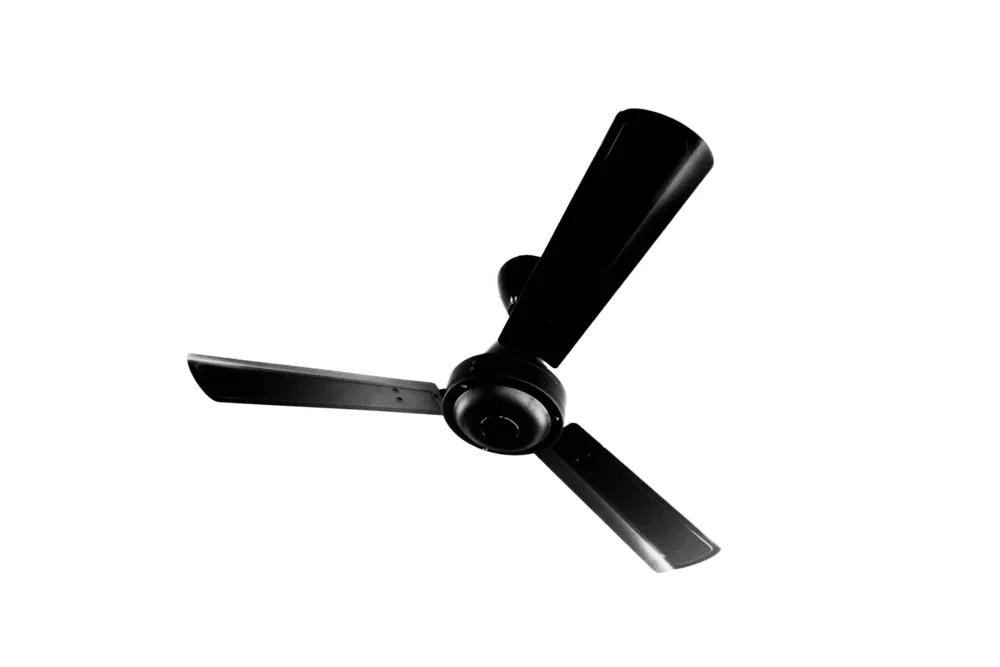
The Role of Blade Span in Room Comfort
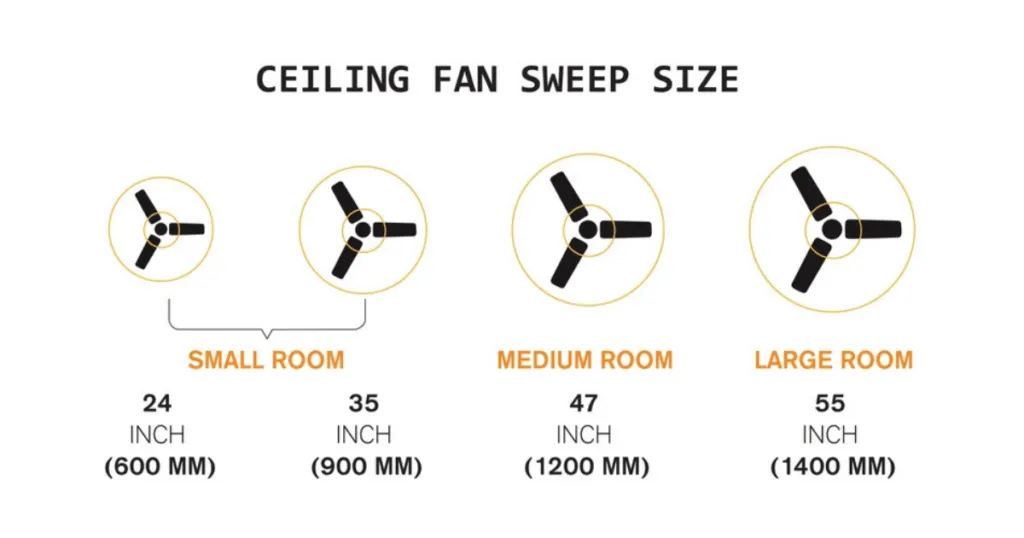
The primary function of a ceiling fan is to move air effectively within a defined perimeter. For rooms ranging from 100 to 150 square feet, 42″-48″ Medium Ceiling Fans are generally considered the standard recommendation. This size range offers a sweet spot where the motor power and blade pitch work in harmony to create a consistent, comfortable breeze without the need for industrial-sized hardware.
In practice, this means that if you are outfitting a standard guest bedroom or a dedicated home office, a 42-inch fan provides enough reach to circulate air across the entire floor plan. If you move up to a 48-inch model, you gain a slightly wider reach, which can be beneficial in rooms that are slightly larger or have an open-concept layout that connects to a hallway or closet space. The goal is to ensure the air reaches the perimeter of the room, preventing stagnant pockets of air from forming in corners.
Balancing Airflow and Visual Weight
Beyond pure performance, visual weight is a significant factor in interior design. A fan that is too large for a room can make the ceiling feel lower and the space feel cluttered. 42″-48″ Medium Ceiling Fans are designed to be proportional to standard 8-foot or 9-foot ceilings. They provide the necessary utility without dominating the room’s architecture, allowing other design elements to remain the focal point.
When you choose a fan within this size bracket, you are prioritizing a clean, intentional look. It is often better to install a high-quality 48-inch fan that operates quietly and efficiently than to force a larger unit into a space where it will look out of place. The visual balance achieved by these mid-sized units makes them the most versatile choice for the majority of residential applications.
Practical Context for Residential Installation
Installing a fan in a real-world home requires more than just picking a size; it requires understanding the constraints of your specific ceiling height and room usage. For standard 8-foot ceilings, a flush mount ceiling fan or low-profile installation is often necessary to maintain proper clearance. Many 42″-48″ Medium Ceiling Fans are designed with this in mind, offering specialized mounting options that keep the blades at a safe distance from the floor while maximizing the efficiency of the motor.
Consider the noise sensitivity of the room as well. In a bedroom, you likely want a fan that operates near-silently, even on higher settings. Many modern fans in this size range utilize a DC motor ceiling fan design, which is significantly quieter and more energy-efficient than traditional AC motors. If your bedroom is a place of rest, look for models that emphasize silent operation and smooth, wobble-free performance.
Navigating Ceiling Height and Mount Types
If you have vaulted or sloped ceilings, the fan mounting options become just as important as the fan diameter. A downrod installation is essential for sloped ceilings to ensure the blades remain level and the airflow is directed downward rather than hitting the wall. Most 42″-48″ Medium Ceiling Fans include or support universal downrod kits, which allow you to adjust the drop distance to suit your specific ceiling architecture.
Another common consideration is the inclusion of an integrated LED light kit. In many rooms, the ceiling fan serves as the primary light source. While integrated LED kits are standard, check the lumen output and color temperature to ensure it meets your lighting needs. A 48-inch fan with a dimmable LED light can replace a standard overhead fixture, providing both illumination and comfort in one unit.
Why This Size Matters for Your Home
The decision to stick with 42″-48″ Medium Ceiling Fans is ultimately about optimizing for everyday comfort. Most homeowners spend the majority of their time in rooms that fall within the 100-150 square foot range. By selecting a fan specifically engineered for these dimensions, you ensure that the air velocity is appropriate for the space—neither too weak to be felt nor too strong to be annoying.
Furthermore, these fans are frequently the most cost-effective and energy-efficient options on the market. Because they are designed for standard rooms, they do not require the heavy-duty motors found in larger, industrial-style fans. This leads to lower power consumption over the life of the unit. Investing in a well-built medium-sized fan is a practical way to manage residential climate control without the overhead of massive, oversized equipment.
The Mechanics of Air Movement
To truly understand why 42″-48″ Medium Ceiling Fans are effective, one must look at the relationship between blade pitch and CFM airflow rating. Blade pitch refers to the angle at which the blade is set; a steeper pitch generally moves more air but requires a more powerful motor to maintain speed. In the medium-size category, manufacturers often calibrate the pitch to be between 12 and 14 degrees. This specific angle is highly efficient for standard room sizes, ensuring that the air is pushed downward in a column rather than just churning the air at the ceiling level.
The CFM (Cubic Feet per Minute) rating is the industry standard for measuring how much air a fan moves. When shopping, look for the CFM rating at high speed. For a 42-inch fan, you generally want a rating that provides effective circulation without creating a wind tunnel effect. A well-balanced fan in this size class will provide a gentle, consistent breeze that improves room air circulation without blowing papers off your desk or creating a draft that feels cold during the winter months.
Common Misconceptions About Fan Sizing
One of the most persistent myths is that a larger fan will always move more air, regardless of the room size. While a larger blade span does move more air in total, it also requires more space to do so effectively. If a 60-inch fan is installed in a small 10×10 bedroom, the air will likely hit the walls and create a turbulent, uncomfortable draft rather than a smooth, cooling breeze. The 42″-48″ range is specifically calibrated to avoid this issue in standard living spaces.
Another misconception is that blade count dictates performance. Many people believe that five or six blades will move more air than three or four. In reality, the pitch of the blades and the power of the motor are much more important than the number of blades. A well-engineered three-blade fan can often outperform a poorly designed five-blade model. Focus on the specifications provided by the manufacturer regarding airflow rather than the aesthetic choice of blade count.
Maintenance and Longevity
To ensure your 42″-48″ Medium Ceiling Fan lasts for years, routine maintenance is essential. Dust accumulation on the leading edge of the blades can disrupt the aerodynamics of the fan, leading to reduced efficiency and potential wobbling. Cleaning the blades with a damp cloth every few months is a simple way to maintain optimal performance. Additionally, check the mounting hardware annually to ensure that the screws remain tight, as the natural vibration of the motor can loosen connections over time.
If you notice a slight wobble, do not immediately assume the fan is defective. Often, this is caused by uneven blade weight. Most manufacturers include a balancing kit with their fans, which consists of small weights that can be clipped to the top of a blade to correct the imbalance. This is a common and easily solvable issue that does not reflect on the quality of the fan itself.
Selecting the Right Style for Your Space
While performance is paramount, the aesthetic fit of your fan is what makes it a permanent part of your home’s interior design. 42″-48″ Medium Ceiling Fans come in a vast array of styles, from minimalist, modern designs with hidden hardware to traditional models with ornate blade finishes and glass shades. When choosing, consider the existing hardware in the room, such as door handles, curtain rods, and light fixtures. Matching the finish of the fan motor housing to these elements can create a cohesive look that ties the room together.
For those who prefer a modern, unobtrusive look, consider fans with a matte finish and simple blade profiles. These models often blend into the ceiling, making the room feel larger. Conversely, if you want the fan to be a design statement, look for models with unique blade materials like wood grain or metallic finishes. Regardless of the style, ensure that the fan’s design does not interfere with the functionality of the light kit or the ease of cleaning the blades.
FAQ
Can I install a 48-inch fan in a room smaller than 100 square feet?
While it is technically possible, a 48-inch fan may feel overwhelming in a very small room. It is usually better to stick to 42-inch models for smaller spaces to maintain visual balance and prevent the airflow from feeling too intense.
Do 42″-48″ Medium Ceiling Fans require special wiring?
Most standard 42″-48″ Medium Ceiling Fans are designed to work with standard residential ceiling junction boxes. However, always ensure your junction box is rated to support the weight of a ceiling fan, as these units are heavier than standard light fixtures.
Is a DC motor worth the extra investment for a medium-sized fan?
Yes, for most homeowners, a DC motor is worth the investment. They are significantly quieter, more energy-efficient, and often offer more speed settings, which is ideal for bedrooms where noise sensitivity is a priority.