Quick Answer: Ceiling fans work by converting electrical energy into mechanical energy to spin blades at a specific pitch, creating a pressure differential that moves air. This movement creates a wind-chill effect on human skin, which increases evaporation and makes a room feel cooler without actually lowering the ambient air temperature.
At its core, a ceiling fan is a simple machine designed to move air, but understanding how ceiling fans work requires looking at the interplay between electrical energy, rotational physics, and fluid dynamics. Rather than cooling the air itself like an air conditioner, a ceiling fan creates a wind-chill effect that helps the human body regulate temperature more efficiently. By moving stagnant air, these devices change how we perceive the temperature in a room, making a space feel significantly more comfortable without actually lowering the ambient temperature.
The effectiveness of this process depends on a series of design choices, including the angle of the blades, the speed of the motor, and the direction of the rotation. When you flip the switch, you are initiating a mechanical sequence that transforms electrical power into kinetic energy, pushing air downward or pulling it upward to alter the microclimate of your living space. Recognizing these mechanical fundamentals helps homeowners choose the right fan for their specific room size and ceiling height, ensuring that the airflow is both sufficient and unobtrusive.
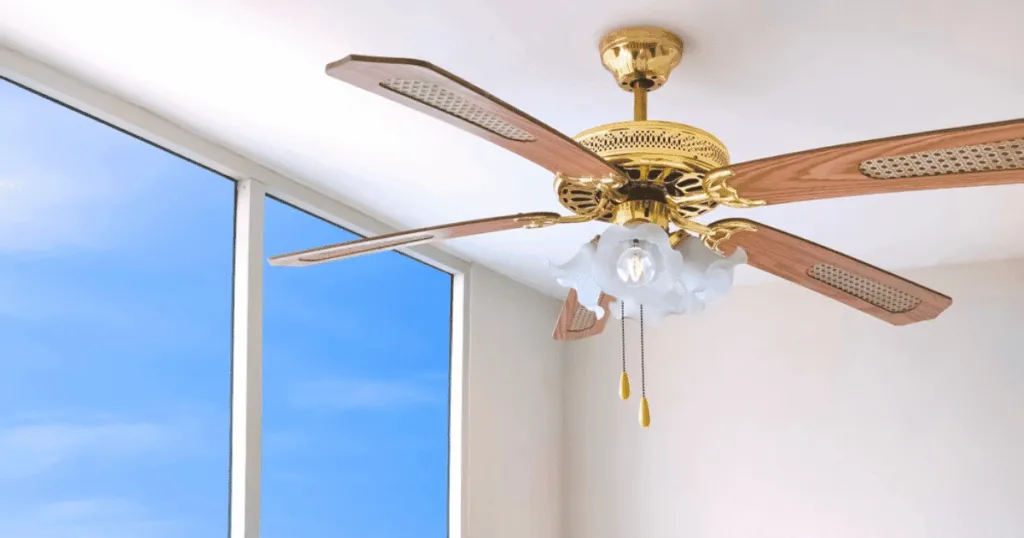
The Mechanical Fundamentals of Air Movement
The primary mechanism behind how ceiling fans work is the conversion of electrical energy into mechanical energy. Inside the motor housing, an electromagnetic field is generated, which forces the rotor to spin. This rotation is transferred to the fan blades, which are angled specifically to displace air. This angle, known as the blade pitch, is the most critical factor in determining how much air a fan can move at a given speed.
A steeper blade pitch generally moves more air, but it also places a higher load on the motor. If the motor is not powerful enough to handle a steep pitch, the fan will struggle to maintain efficient airflow, leading to noise and premature wear. This is why high-quality fans often feature motors specifically calibrated to the weight and pitch of their included blades. In practice, this means that replacing blades with aftermarket options that do not match the original specifications can significantly degrade performance.
Another key factor is the motor type, typically categorized as either AC (alternating current) or DC (direct current). AC motors are the traditional standard; they are robust and cost-effective but generally consume more electricity and offer fewer speed settings. DC motors have become increasingly popular because they are more energy-efficient, quieter, and offer a wider range of speed control. They use an internal transformer to convert the power, allowing for more precise management of the rotational speed and torque.
The Physics of Airflow and Circulation
Once the blades begin to spin, they create a pressure differential. As the blades cut through the air, they push it away from the surface of the blade, creating a downward stream of air. This is what we feel as a breeze. The shape and surface area of the blades also play a role in how the air is distributed throughout the room. Wider blades tend to move air at lower speeds, which can be quieter, while narrower blades might require higher rotational speeds to achieve the same cubic feet per minute (CFM) rating.
The direction of rotation is equally important for managing room comfort. Most fans feature a reversible motor that allows the user to switch between clockwise and counter-clockwise rotation. In the summer, the blades should rotate counter-clockwise to push air straight down, creating a direct cooling effect. In the winter, reversing the fan to a clockwise rotation at a low speed pulls cool air up toward the ceiling, which displaces the warm air that naturally rises, pushing it back down along the walls and into the living area.
This seasonal adjustment is a simple but effective way to improve energy efficiency. By circulating trapped heat, you reduce the workload on your primary heating system. However, a common mistake is running the fan at high speeds during the winter. This creates a wind-chill effect that will make the room feel colder, effectively canceling out the benefit of the heat redistribution. Low speed is almost always the correct choice for winter circulation.
Real-World Context: Room Size and Mounting
In a practical setting, the effectiveness of a fan is heavily dictated by the distance between the blades and the ceiling, as well as the distance between the fan and the floor. If a fan is mounted too close to the ceiling, the blades cannot draw in enough air, which significantly reduces the total airflow. This is why downrods are used to lower the fan to an optimal height, typically 8 to 9 feet from the floor for the best balance of comfort and safety.
Room size also dictates the necessary blade span. A large living room requires a larger blade span to move enough air to be noticeable. If you install a fan that is too small for the room, the motor will have to run at higher speeds to compensate, which increases noise and energy consumption. Conversely, an oversized fan in a small room can create an overwhelming draft that feels uncomfortable rather than refreshing.
Another factor is the ceiling slope. If you are installing a fan on a vaulted or sloped ceiling, you must ensure the mounting bracket is compatible. A standard flat-mount bracket will not allow the fan to hang level, which can cause the motor to wobble and create noise. Using the correct mounting hardware ensures the fan remains balanced, which is essential for the longevity of the motor bearings and the overall stability of the unit.
Advanced Dynamics: Blade Aerodynamics and Material Science
Beyond the basic pitch, the material and shape of the blades significantly influence how a fan performs. Wood, metal, and plastic blades all interact with air differently. Metal blades, often found in industrial-style fans, are rigid and can be shaped for maximum air displacement, but they can be heavy, requiring a more robust motor to overcome inertia. Plastic or composite blades allow for more complex, aerodynamic curves that can slice through air with less resistance, often resulting in quieter operation.
The leading edge of the blade is particularly important. A rounded or tapered edge can reduce the turbulence created as the blade cuts through the air. Turbulence is the primary culprit behind the “chopping” sound some fans produce. By minimizing this turbulence, manufacturers can achieve higher CFM ratings without increasing the noise floor of the room. When evaluating a fan, consider the blade design as a reflection of the manufacturer’s commitment to fluid dynamics rather than just visual appeal.
The Role of Motor Torque and Control Systems
The motor is the heart of the ceiling fan, and its ability to maintain torque under load is what separates entry-level models from high-performance units. Torque is the rotational force that keeps the blades moving at a constant speed even when air resistance fluctuates. In cheaper motors, you might notice the fan slowing down or “hunting” for speed when the air density changes or when the fan is set to a low, steady breeze.
Modern control systems, especially in DC-powered fans, use pulse-width modulation to manage the motor’s power delivery. This allows for extremely granular control over the rotational speed. Instead of the traditional three-speed settings (low, medium, high), many modern fans offer six or more speeds. This precision allows the user to dial in the exact amount of airflow needed to maintain comfort without creating an intrusive draft, which is particularly beneficial in bedrooms or home offices where noise sensitivity is high.
Why Understanding Fan Mechanics Matters
Understanding how ceiling fans work allows homeowners to make informed decisions that go beyond aesthetics. When you know that blade pitch and motor quality are the primary drivers of performance, you stop shopping based solely on style and start looking at technical specifications. This shift in perspective helps you avoid the common trap of buying a fan that looks great but fails to provide the necessary airflow for your specific room dimensions.
Furthermore, this knowledge helps in troubleshooting. If a fan starts to wobble or make unusual noises, you can often trace the issue back to a mechanical cause, such as a loose screw, an unbalanced blade, or a worn-out motor bearing. By understanding the relationship between the motor, the blades, and the mounting system, you can perform basic maintenance that extends the life of the appliance. This is far more sustainable than replacing a unit every time it experiences a minor performance dip.
Ultimately, a ceiling fan is an investment in home comfort. When installed and used correctly, it acts as a force multiplier for your HVAC system. It allows you to raise your thermostat setting in the summer by a few degrees without sacrificing comfort, which can lead to meaningful energy savings over time. The key is recognizing that the fan is not a cooling device in the traditional sense, but a circulation tool that requires proper setup to function at its peak.
Common Misconceptions About Ceiling Fans
One of the most persistent myths is that ceiling fans cool a room by lowering the temperature. In reality, fans do not change the temperature of the air at all. They only cool people, not rooms. If you leave a fan running in an empty room, the temperature will remain exactly the same. This is why it is important to turn off fans when you leave a space; the energy used to run the motor is wasted if there is no one there to feel the breeze.
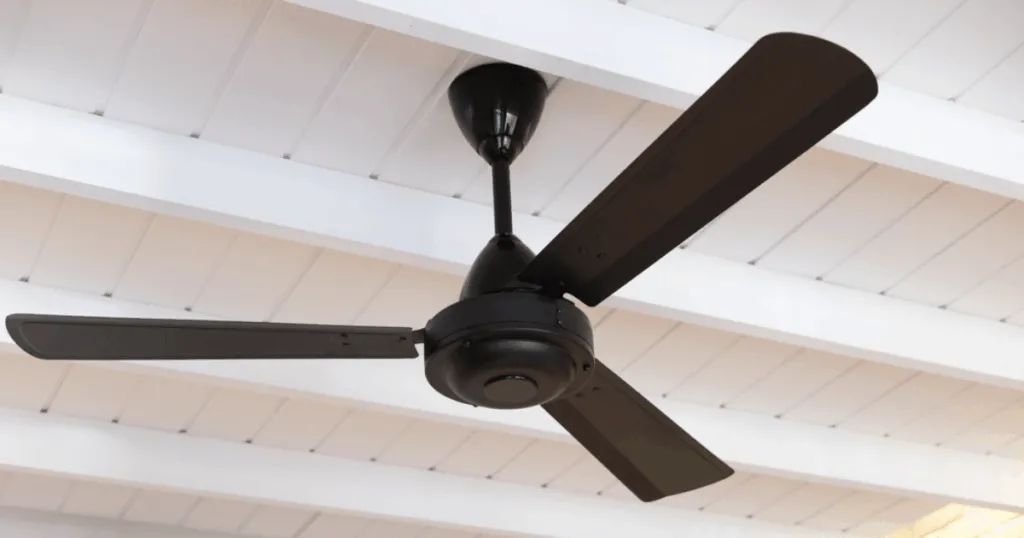
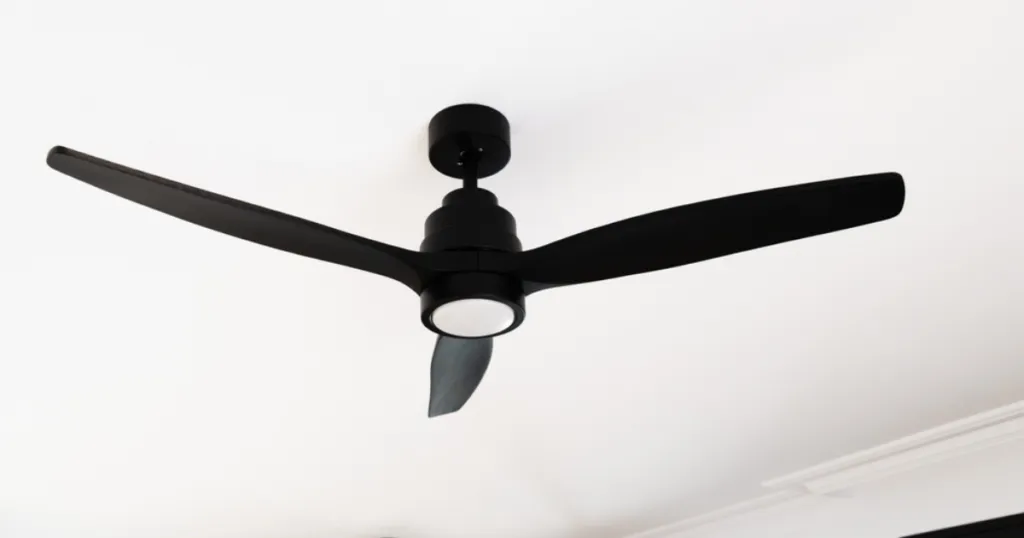
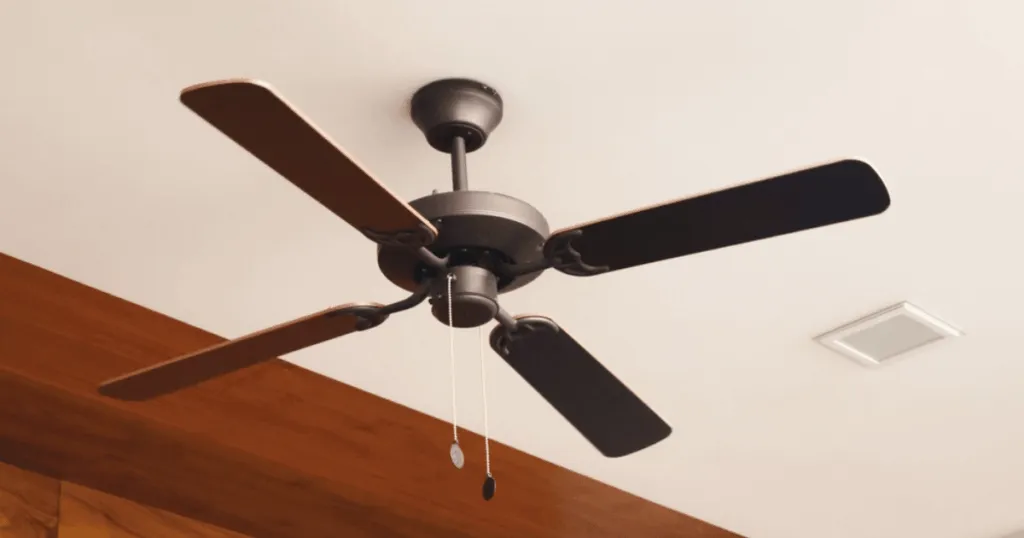
Another misconception is that more blades always equal more air movement. Many people assume that a five- or six-blade fan is inherently more powerful than a three-blade fan. In truth, the number of blades is often a stylistic choice. While more blades can sometimes result in a quieter operation, they also create more drag, which can require a more powerful motor. A well-designed three-blade fan can often move just as much air as a five-blade fan, provided the motor and blade pitch are engineered correctly.
Finally, there is the belief that all fans are equally effective at air circulation. This ignores the significant differences in motor quality and blade aerodynamics. A cheap, mass-produced fan may have a motor that struggles to maintain consistent speeds, or blades that are too flexible to move air efficiently. Investing in a fan with a reputable motor and high-quality blade materials ensures that you are getting the performance you expect, rather than just a decorative fixture that spins without actually circulating air.
Maintenance and Longevity: Keeping the Mechanics Healthy
To ensure a ceiling fan continues to work as intended, routine maintenance is essential. Over time, dust accumulation on the leading edge of the blades can disrupt the aerodynamic profile, leading to increased drag and potential imbalance. Cleaning the blades regularly not only improves the aesthetic but also ensures the motor isn’t working harder than necessary to move the air.

Checking the mounting hardware is another critical maintenance step. Because fans are dynamic systems that generate constant vibration, screws and bolts can loosen over time. A quick check of the canopy screws and the blade-to-bracket connections once or twice a year can prevent the dreaded “wobble” that often leads to noise and mechanical fatigue. If a fan does begin to wobble, it is rarely a sign of a broken motor; it is almost always a sign of an imbalance that can be corrected with a simple balancing kit or by tightening the hardware.
Finally, consider the environment. Fans in humid environments, such as bathrooms or covered porches, are subject to moisture, which can corrode internal motor components or cause blades to warp. Using a damp-rated or wet-rated fan in these areas is not just a suggestion; it is a mechanical necessity to ensure the internal seals and materials can withstand the conditions, allowing the fan to function reliably for years to come.
FAQ
Do ceiling fans actually lower the room temperature?
No, ceiling fans do not change the temperature of the air. They create a wind-chill effect that makes the occupants feel cooler by speeding up the evaporation of moisture from the skin.
Does the number of blades on a ceiling fan affect performance?
Not necessarily. While more blades can sometimes lead to quieter operation, the blade pitch, motor power, and blade shape are much more important factors in determining how much air a fan moves.
Why should I reverse my ceiling fan in the winter?
Reversing the fan to clockwise rotation at a low speed helps circulate warm air that has risen to the ceiling, pushing it down along the walls and back into the living space, which can improve heating efficiency.