When you are looking to improve air circulation in a significant living space, 52″-60″ Standard/Large Ceiling Fans are often the most practical choice. These sizes sit in a sweet spot for many residential rooms, providing enough blade span to move substantial volumes of air without overwhelming the visual balance of a standard ceiling. Selecting the right fan within this range depends less on personal preference and more on the specific dimensions and airflow requirements of your room.
Understanding the relationship between blade span, motor power, and ceiling height is essential for achieving the comfort you expect. A fan that is too small for a large room will struggle to create a noticeable breeze, while one that is too large can create a chaotic wind pattern or simply look out of place. By focusing on these technical parameters, you can ensure your selection provides efficient, quiet operation for years to come.
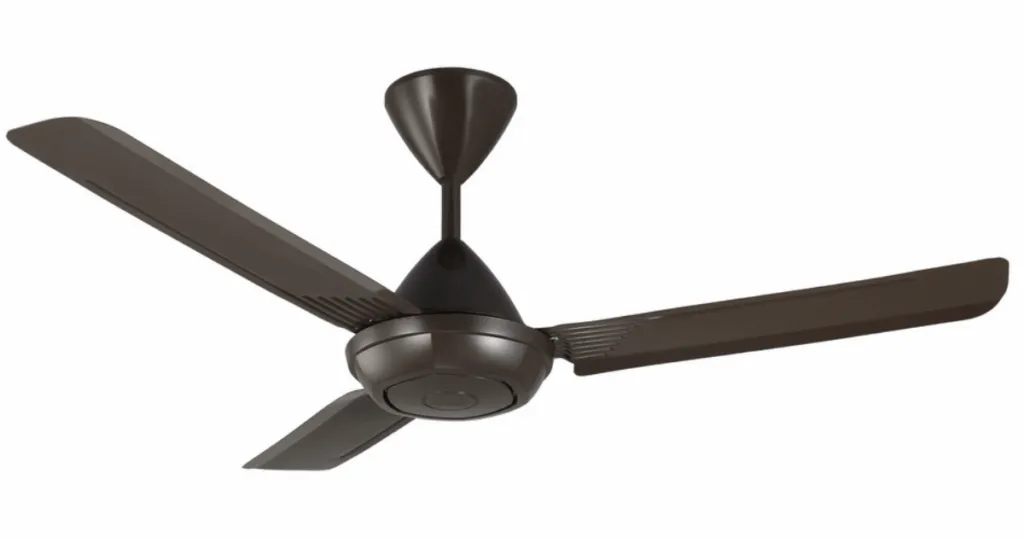
Factors Influencing Fan Selection
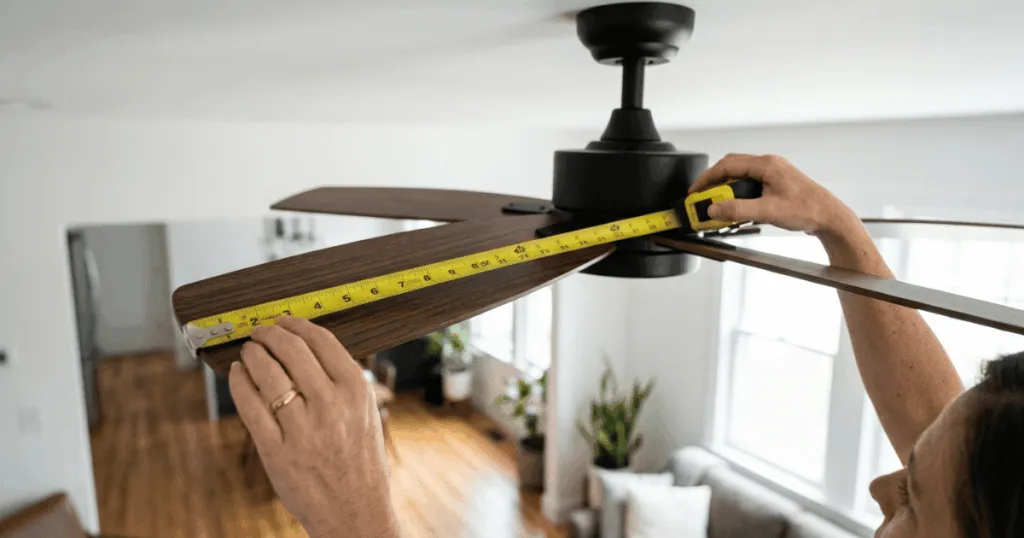
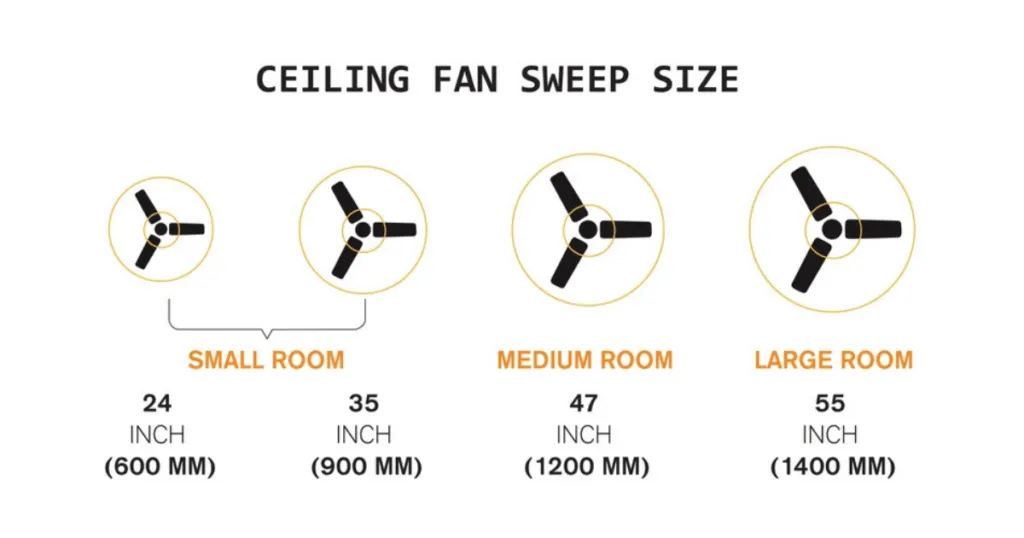
The primary factor in choosing between a 52-inch and a 60-inch model is the square footage of the room. As a general rule, a 52-inch fan is well-suited for rooms up to 400 square feet, such as a primary bedroom or a standard living room. If your space exceeds 400 square feet, or if you have an open-concept floor plan, a 60-inch fan becomes the more effective choice to ensure consistent airflow across the entire area. Ceiling fan sizing is not merely about covering the floor; it is about ensuring the air column generated by the blades reaches the occupants effectively.
Ceiling Height and Mounting Options
Ceiling height dictates how you mount your fan, which in turn affects how it performs. For standard 8-foot ceilings, a flush-mount or hugger configuration is necessary to maintain the required safety clearance. However, these mounts can sometimes restrict airflow if the blades are too close to the ceiling surface, as the motor housing may block intake air. If you have 9-foot ceilings or higher, using a downrod allows the fan to hang at the optimal distance—usually 8 to 9 feet from the floor—which maximizes the efficiency of the blade pitch. Proper downrod installation is a critical step in ensuring the fan operates within its intended airflow design parameters.
Motor Efficiency and Blade Pitch
The motor is the heart of the fan, and in larger models, it must handle the increased torque required to spin longer blades. Look for high-quality motors that offer multiple speed settings, as this allows you to dial in the exact amount of airflow needed for different seasons. DC motor ceiling fans have become the industry standard for this size range, offering superior control and lower energy consumption compared to traditional AC motors. Blade pitch, or the angle of the blade, is equally important; a steeper pitch moves more air at lower speeds, which is generally quieter and more energy-efficient than a flatter blade spinning rapidly.
Real-World Context for Large Spaces
In a large, open-concept living area, you might be tempted to install multiple smaller fans, but a single 60-inch fan is often more effective and visually cleaner. A large fan creates a broader, more gentle air column that covers a wider radius, preventing the “choppy” feeling that can occur when several smaller fans create overlapping, conflicting air currents. This makes the 52″-60″ Standard/Large Ceiling Fans category the gold standard for great rooms and master suites.
Noise sensitivity is another practical consideration in these spaces. Larger fans can operate at lower RPMs while still moving the same amount of air as a smaller, faster-spinning fan. This lower operating speed significantly reduces motor hum and blade flutter, making these fans ideal for areas where you want to relax, read, or watch television without distraction. When evaluating a model, check for balanced blade sets, as this is the most common source of mechanical noise over time. If a fan is improperly balanced, the resulting wobble can lead to premature wear on the motor bearings.
Why Size Matters for Everyday Comfort
The importance of selecting the correct fan size goes beyond simple aesthetics. A fan that is appropriately sized for the room creates a consistent “wind chill” effect, which allows you to raise your thermostat settings by several degrees in the summer without sacrificing comfort. This shift can lead to noticeable energy savings over the course of a cooling season, provided the fan is sized to circulate air effectively throughout the entire living zone. Airflow efficiency is maximized when the blade span matches the room’s dimensions, ensuring that air is pushed down into the occupied space rather than just circulating near the ceiling.
Furthermore, the visual impact of a large fan should not be underestimated. In a high-ceiling room, a 52-inch fan can look undersized and lost, whereas a 60-inch model acts as a grounding element, pulling the eye upward and emphasizing the volume of the space. Conversely, in a smaller room, a 60-inch fan can dominate the ceiling, making the room feel cramped. Balancing the physical scale of the fan with the architectural scale of the room is the key to a cohesive design. When considering the aesthetic, remember that the rotational speed of a larger fan is often slower, which can be visually more relaxing than the frantic spinning of a smaller, undersized unit.
Common Misconceptions About Large Fans
A frequent mistake is the belief that a larger fan will automatically be louder or consume significantly more electricity. In reality, modern DC motor technology has made large fans incredibly efficient and whisper-quiet. Because these motors are designed for the specific weight and drag of larger blades, they often run cooler and with less friction than older, universal-motor designs. Energy consumption is rarely higher for a 60-inch fan compared to a 52-inch model when both are running at equivalent output levels; in many cases, the larger fan is actually more efficient because it does not need to spin as fast to achieve the same air displacement.
Another misconception is that you can compensate for a large room by simply running a smaller fan at its highest speed. While this might move air, it often creates a localized, high-velocity stream of air that feels uncomfortable and noisy. It is much better to have a larger fan that moves a high volume of air at a lower, more comfortable speed. This approach provides a consistent, gentle breeze that feels natural rather than artificial. Additionally, high-velocity streams can stir up dust and create drafts that are counterproductive to comfort in a living area.
Technical Considerations for Installation
When installing a fan in the 52-60 inch range, the weight of the unit is a factor that cannot be ignored. Larger fans require a junction box rated for ceiling fan support. Do not attempt to mount a large fan to a standard light fixture box, as the torque and weight can lead to structural failure. Always verify that your ceiling joists can support the weight of the fan, especially if you are opting for a heavy-duty model with solid wood or metal blades.
Blade material also plays a role in performance. While plastic or composite blades are lightweight and resistant to warping, wood blades can provide a more traditional aesthetic but may be prone to sagging over time if they are not properly sealed or if the environment has high humidity. For rooms like sunrooms or covered patios, ensure the fan is rated for damp or wet locations, as standard indoor fans will experience blade degradation and motor corrosion in humid conditions.
Optimizing Airflow Patterns
To get the most out of your 52″-60″ fan, consider the direction of the blades. Most fans feature a reverse switch that changes the rotation from counter-clockwise (for summer cooling) to clockwise (for winter heat destratification). In the winter, running the fan on a low speed in reverse pushes warm air trapped at the ceiling down the walls and into the living space. This is particularly effective in rooms with vaulted ceilings where heat loss is a major concern. By understanding how to manipulate the airflow, you can maximize the utility of your fan throughout the entire year, not just during the hot summer months.
Conclusion
When you are in the market for 52″-60″ Standard/Large Ceiling Fans, prioritize the dimensions of your room and the height of your ceiling above all else. By matching the blade span to the square footage and ensuring the mounting method provides adequate clearance, you create a foundation for long-term comfort. Focus on quality motor construction and appropriate blade pitch to ensure that your fan serves as a quiet, efficient, and visually balanced addition to your home. By avoiding the pitfalls of undersizing and focusing on the relationship between motor torque and blade size, you can achieve a level of comfort that makes your living space more enjoyable year-round.
FAQ
Can I install a 60-inch fan in a room with an 8-foot ceiling?
Yes, but you must use a flush-mount or hugger kit to ensure the blades maintain at least 7 feet of clearance from the floor. Always check the manufacturer’s specific clearance requirements to ensure safety.
Is there a significant difference in energy consumption between 52-inch and 60-inch fans?
Generally, no. Modern fans, especially those with DC motors, are highly efficient. A 60-inch fan often uses less energy than a smaller fan because it can move the same volume of air at a lower, more efficient speed.
How do I know if my room is too small for a 60-inch fan?
If the blade tips are within 18 inches of any wall or obstruction, the fan is likely too large. This proximity can cause air to bounce off the walls, creating inefficient turbulence and a less comfortable breeze.