Many homeowners assume that the largest fan available is the best choice for cooling a room, operating under the impression that more blade span automatically equates to better comfort. In reality, choosing 65″+ Extra-Large Ceiling Fans is a decision that requires a careful assessment of room dimensions, ceiling height, and the physical limitations of your structural support. While these massive fixtures can provide impressive air movement, they are not a universal solution for every open-concept floor plan or high-ceiling space.
Understanding the balance between blade diameter and motor torque is essential before committing to an oversized installation. A fan that is too large for a space can create an overwhelming visual presence and, in some cases, ineffective airflow patterns that fail to reach the occupants. This guide explores the technical and practical considerations you need to weigh to ensure your choice enhances your home environment rather than disrupting it.
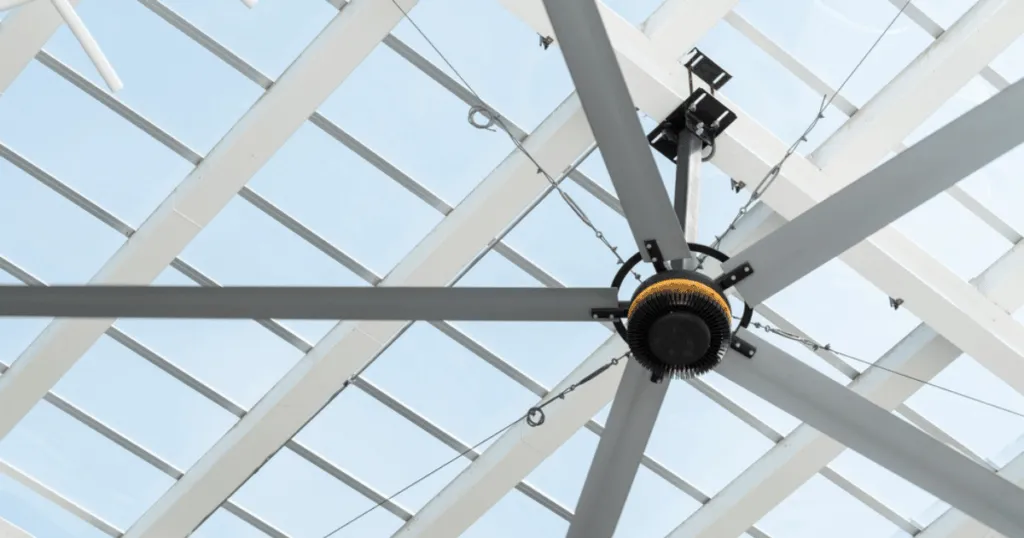
Factors Influencing the Choice of Oversized Fans
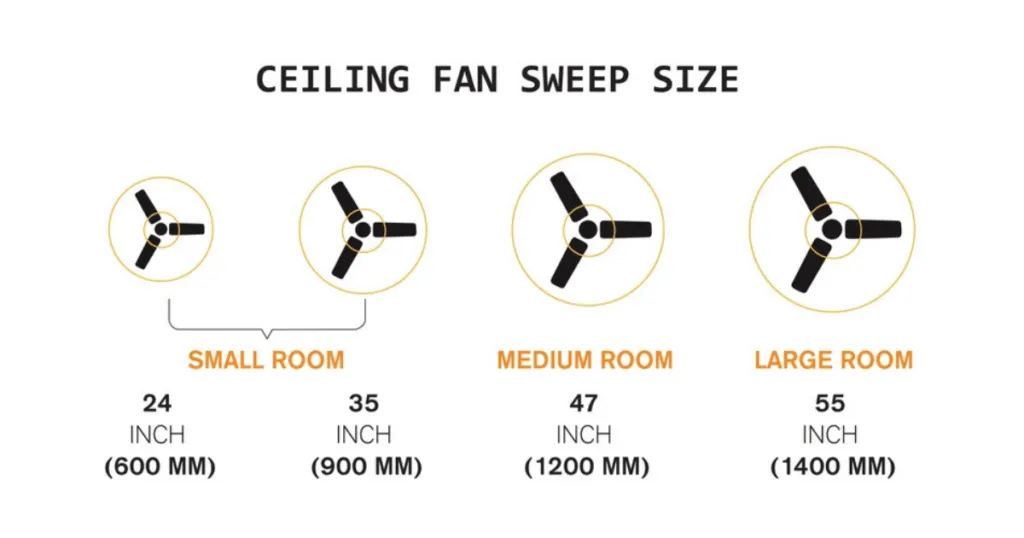
The primary driver for selecting 65″+ Extra-Large Ceiling Fans is the total square footage of the area you intend to cool. Generally, these fans are intended for spaces exceeding 400 square feet, such as great rooms, expansive master suites, or vaulted-ceiling living areas. When a room is this large, a standard 52-inch fan often struggles to move enough air to create a perceptible breeze, leading to stagnant pockets of air in the corners of the space.
Motor Performance and Torque
When dealing with blades that span over 65 inches, the motor must be significantly more powerful than those found in standard residential models. These fans rely on high-torque DC motors to overcome the increased rotational mass and air resistance. Without sufficient torque, the fan will struggle to reach optimal speeds, resulting in sluggish performance and potential long-term mechanical strain. The integration of a high-torque motor is not just about raw power; it is about the ability to maintain consistent RPMs despite the heavy load of longer blades. This efficiency is a hallmark of modern DC motor ceiling fans, which offer superior control and energy usage compared to older AC counterparts.
Blade Pitch and Airflow Efficiency
Blade pitch, or the angle at which the blade is set, dictates how much air is pushed downward. For extra-large fans, a steeper pitch is often required to move a significant volume of air at lower revolutions per minute (RPM). This is a critical design feature because it allows the fan to circulate air quietly without needing to spin at high, noisy speeds. When evaluating options, look for specifications regarding cubic feet per minute (CFM) to gauge actual air delivery rather than relying solely on the blade diameter. A higher CFM rating combined with an optimized blade pitch ensures that your ceiling fan airflow reaches the floor level, providing the intended cooling effect.
Real-World Context for Large Installations
Installing a fan of this magnitude is a significant structural undertaking. The weight of a 65-inch or larger unit is substantially higher than a typical bedroom fan, meaning your ceiling junction box must be rated for the specific weight of the fixture. A common mistake is attempting to install these units on standard boxes intended for light fixtures; this is a safety hazard that can lead to vibration, sagging, or detachment over time. Always verify that your ceiling junction box is specifically rated for heavy-duty ceiling fans to ensure long-term installation safety.
Ceiling Height and Downrod Requirements
Ceiling height plays a major role in the effectiveness of an extra-large fan. To achieve proper airflow, the blades should ideally be at least 8 to 10 feet above the floor. If your ceilings are higher, you will need to use a longer downrod to bring the fan into the occupied zone. If the fan is mounted too close to a high ceiling, the blades may simply circulate the hot air trapped at the top of the room without providing any cooling effect to the people below. Conversely, using an excessively long ceiling fan downrod in a room with standard 8-foot ceilings can make the fan appear intrusive and potentially hazardous for taller occupants.
Spatial Clearance and Obstructions
Beyond the ceiling, consider the horizontal clearance. These fans require significant room to operate safely. Ensure that the blades are at least 18 to 24 inches away from any walls, cabinets, or hanging light fixtures. In rooms with complex layouts or exposed beams, the physical span of the fan can create “dead zones” where air is blocked, so placement must be calculated to avoid these architectural obstacles. If you have a room with multiple ceiling heights, such as a tray ceiling, ensure the blade sweep does not intersect with any architectural features that could cause turbulence or vibration.
Why Proper Sizing Matters for Daily Comfort
The decision to install 65″+ Extra-Large Ceiling Fans is ultimately about achieving consistent thermal comfort across a large footprint. In a vast room, temperature stratification is a common issue, where heat rises and leaves the living area feeling stuffy. A properly sized fan helps destratify the air, mixing the layers to create a uniform temperature throughout the space. This process of destratification is particularly useful in winter, where reversing the fan direction can push trapped warm air down from the ceiling, improving overall HVAC efficiency.
Beyond comfort, these fans often serve as the focal point of a room. Because of their size, they command attention. Choosing a model that complements the architectural style of the home is just as important as its performance. However, prioritize the functional requirements—such as the ability to reverse the motor for winter heat circulation—before settling on a design. A fan that looks impressive but fails to move air effectively will quickly become a source of frustration. Consider the weight distribution of the blades; high-quality materials are essential to prevent warping over time, which can lead to wobbling and increased noise.
Common Misconceptions About Large Fans
A frequent misunderstanding is that larger fans are inherently noisier. In reality, the opposite is often true. Because these fans cover a wider area, they can move a substantial volume of air while spinning at a lower RPM. This lower speed typically results in less wind shear and motor hum, provided the fan is balanced correctly during installation. Proper fan balancing is crucial for any unit, but it is magnified in importance for 65″+ models due to the sheer length of the blades, which can amplify even minor imbalances.
Another misconception is that you can compensate for a lack of air conditioning by simply installing the largest fan possible. While a fan creates a wind-chill effect that makes people feel cooler, it does not actually lower the ambient temperature of the room. Relying on a large fan to do the work of an HVAC system is a mistake; instead, view the fan as a tool to improve the efficiency of your existing climate control system. By creating a consistent breeze, you may be able to raise your thermostat setting by a few degrees without sacrificing comfort, which is a practical way to manage energy usage during warmer months.
Technical Considerations for Long-Term Maintenance
Maintenance for extra-large ceiling fans involves more than just dusting the blades. Because of their size and the potential for increased rotational mass, checking the mounting hardware periodically is a sound practice. Over time, the vibration from daily operation can cause screws to loosen. Ensure that the canopy and the mounting bracket remain secure. If you notice any unusual clicking or grinding sounds, it may indicate that the motor housing needs inspection or that the fan balancing has shifted. Keeping the blades clean is also vital; dust accumulation on the leading edge of a 65-inch blade can create enough drag to affect performance and potentially cause the fan to wobble.
Strategic Placement in Open-Concept Spaces
In modern open-concept floor plans, the kitchen, dining area, and living room often share a single, massive space. Placing a 65″+ fan in such a layout requires careful thought. If the fan is placed directly over a kitchen island, it might interfere with the exhaust hood or create unwanted air movement that affects cooking. Instead, center the fan in the primary seating area. If the room is exceptionally long, you might consider two smaller fans rather than one massive one to ensure even air distribution. This strategy avoids the “dead zone” issue where the center of the room is breezy but the periphery remains stagnant. Evaluating the room’s flow and furniture arrangement is the best way to determine if a single extra-large unit or a pair of smaller, high-performance fans is the right approach for your specific home.
FAQ
Can I install 65″+ Extra-Large Ceiling Fans on a standard ceiling box?
No. Due to the significant weight and torque of these larger units, you must use a heavy-duty ceiling fan-rated junction box specifically designed to support the extra load. Using a standard box can lead to structural failure.
What is the minimum ceiling height for a 65-inch fan?
While the fan itself can fit in many rooms, the blades should be at least 8 to 10 feet above the floor for optimal safety and airflow. If you have higher ceilings, you will need a longer downrod to ensure the fan is effective.
Are these large fans louder than smaller models?
Generally, no. Because they are designed to move air efficiently at lower RPMs, they are often quieter than smaller fans that must spin at high speeds to achieve the same air displacement.