The Short Answer: Choose DIY if you are replacing an existing fan in a standard room and have a verified fan-rated junction box. Choose professional installation if you are adding a fan to a new location, dealing with high or vaulted ceilings, or if you lack confidence in your electrical wiring skills.
When you bring a new ceiling fan home, the first decision you face is whether to handle the mounting and wiring yourself or hire a licensed electrician. The practical difference you will notice first involves your time, your comfort with electrical work, and the specific structural requirements of your ceiling. If you are comfortable with basic household wiring and have a pre-existing junction box rated for fan support, a DIY approach can be straightforward. However, if you are installing a fan in a location without an existing fixture or dealing with complex vaulted ceilings, professional help is often the safer, more efficient choice.
Choosing the right installation method impacts more than just the immediate setup; it influences the long-term stability and performance of the fan. A poorly secured fan can lead to persistent wobbling, noise, and even safety hazards over time. Understanding your own mechanical aptitude and the specific demands of your home’s electrical infrastructure is essential before you pick up a screwdriver.
Comparison of Installation Approaches
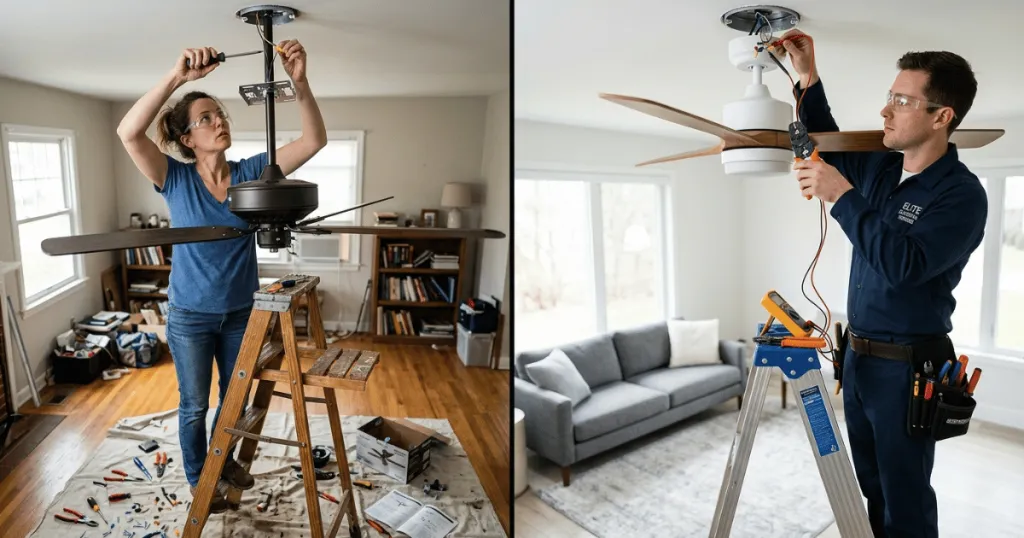
The following table outlines the primary differences between tackling a ceiling fan project yourself and hiring a professional. These factors represent the most common pain points homeowners encounter during the process.
| Feature | DIY Installation | Professional Installation |
|---|---|---|
| Cost | Low (Tools/Materials only) | Moderate to High (Labor fees) |
| Time Commitment | High (Research/Execution) | Low (Expert efficiency) |
| Safety Risk | Moderate (Electrical/Height) | Low (Licensed expertise) |
| Structural Needs | Requires existing fan-rated box | Can install/upgrade support boxes |
| Warranty | Potential void if miswired | Typically preserved/guaranteed |
Analyzing the DIY Installation Path
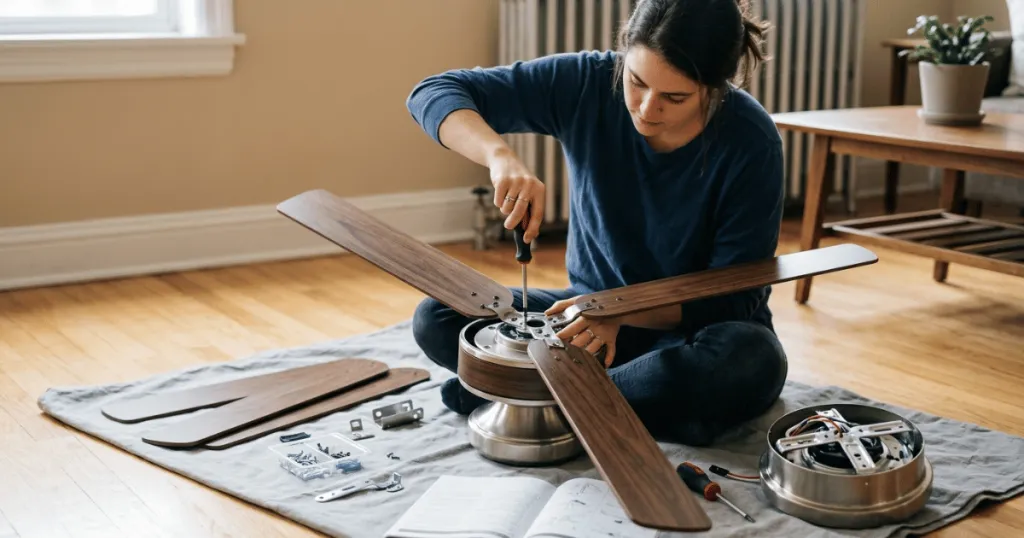
DIY installation is a viable option for homeowners who possess a basic understanding of residential electrical systems. If your room already has a ceiling fan installed, replacing it is often a matter of swapping the motor housing and blades, provided the existing mounting bracket is compatible. This path allows you to control the schedule entirely and avoid labor costs, which can be significant depending on your local market.
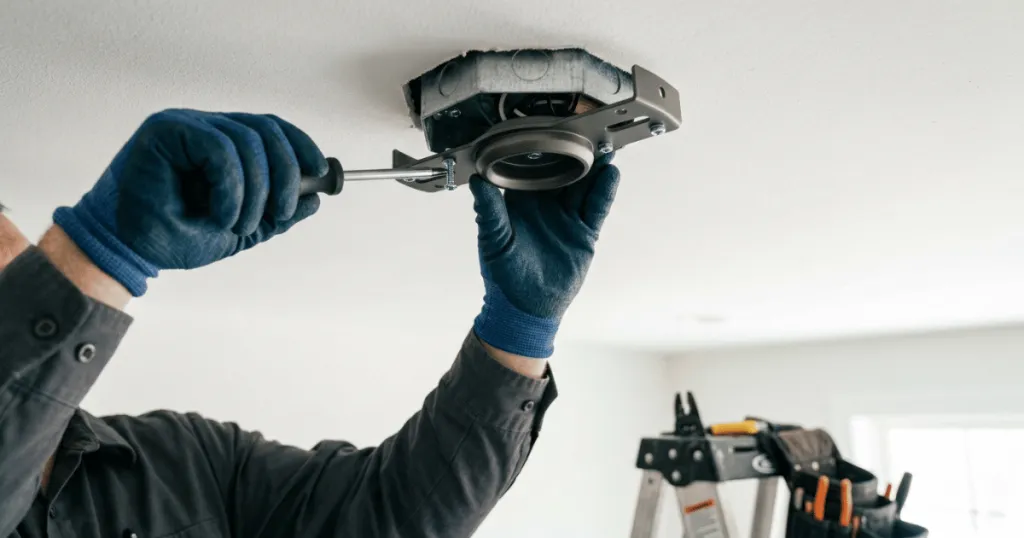
However, the DIY route requires more than just a ladder and a drill. You must ensure that your ceiling junction box is specifically rated to support the weight and torque of a ceiling fan. A standard light fixture box is rarely sufficient; it may pull out of the ceiling over time, creating a serious safety risk. If you cannot verify the box rating, you must be prepared to access the attic or ceiling joists to install a fan-rated brace, which significantly increases the complexity of the project.
Another common hurdle for DIYers is the wiring configuration. Many modern fans include remote receivers that must be tucked into the canopy, which can be a tight, frustrating fit. If your home has older wiring or lacks a ground wire, you may find yourself troubleshooting issues that require specialized knowledge. If you are not confident identifying hot, neutral, and ground wires, or if you feel uneasy working on a ladder for extended periods, the DIY route may lead to unnecessary stress.
Analyzing Professional Installation
Hiring a professional electrician or a specialized handyman is the most reliable way to ensure your ceiling fan is installed according to local building codes. Professionals bring the necessary tools to handle structural upgrades, such as installing heavy-duty support brackets in ceilings where no fixture previously existed. This is particularly important for heavy, high-end fans or those with integrated light kits that add significant weight to the assembly.
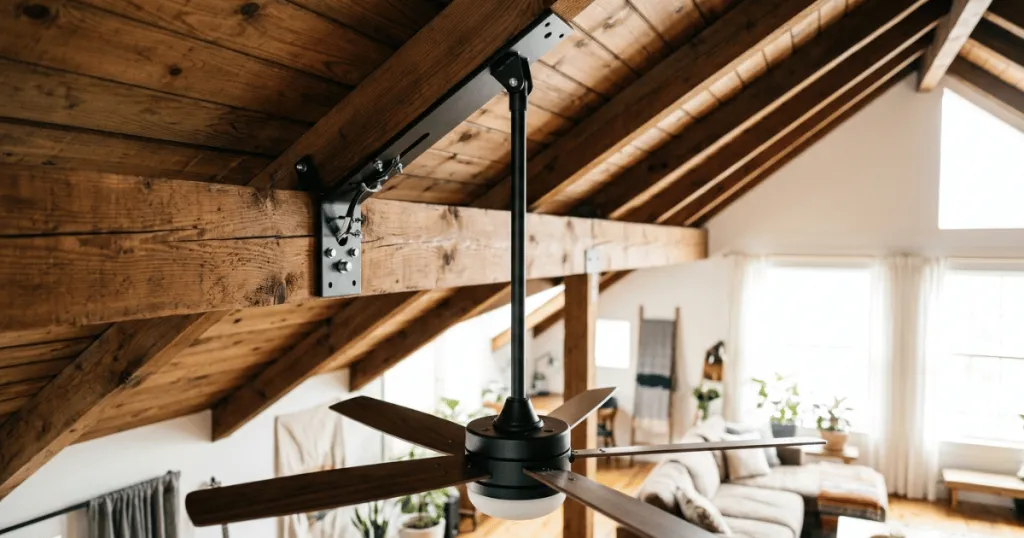
Beyond structural integrity, professionals are adept at managing the aesthetic and functional aspects of the installation. They can ensure the fan is perfectly balanced, which minimizes the risk of the “wobble” that often plagues poorly installed units. They are also accustomed to working with various ceiling types, including sloped or vaulted ceilings that require specific downrod lengths and specialized mounting hardware to function correctly.
The primary trade-off is cost and scheduling. You are paying for the technician’s expertise, insurance, and efficiency. While it may seem like a simple job, professionals often identify potential issues—such as outdated wiring or insufficient circuit capacity—that a homeowner might miss. By hiring a professional, you are essentially paying for peace of mind and ensuring that the fan operates quietly and safely for years to come.
Feature-by-Feature Differences
The decision between DIY and professional help often hinges on three specific technical areas: structural support, electrical complexity, and height safety. Understanding these will help you gauge your readiness for a DIY project.
Structural support is the most critical factor. A ceiling fan is a dynamic load; it moves and creates vibration. If your ceiling box is not designed for this movement, the fan will eventually loosen. A professional will always verify the box rating or install a new one, whereas a DIYer might be tempted to use an existing box that looks sturdy enough but isn’t rated for the weight. Never assume a box is fan-rated just because it held a light fixture.
Electrical complexity varies significantly by fan model. Some fans are simple two-wire setups, while others require complex wiring for wall controls, remotes, and separate light/fan circuits. If your room lacks a wall switch for the fan, or if you want to add one, you are looking at a much larger project involving wall fishing and circuit modification. This is almost always a job for a professional, as it involves navigating existing wall cavities and adhering to strict electrical codes.
Height and access are frequently underestimated. Installing a fan on a standard eight-foot ceiling is manageable for most, but working on a ten-foot or vaulted ceiling requires professional-grade ladders and specialized scaffolding. The physical strain of holding a heavy motor housing above your head while trying to connect wires is a common cause of installation mistakes. If you are not comfortable working at heights, or if the ceiling height exceeds your ladder’s safe reach, do not attempt a DIY installation.
Deep Dive: The Hidden Risks of Improper Installation
When comparing DIY vs Professional Installation, it is vital to acknowledge the long-term consequences of improper setup. A ceiling fan is not a static object; it is a mechanical device that creates constant vibration. If the mounting bracket is not perfectly level or if the electrical junction box is not secured directly to a ceiling joist, the fan will inevitably develop a wobble. Over time, this oscillation can loosen the screws holding the motor housing to the ceiling, potentially leading to catastrophic failure where the fan could detach from the mount.
Furthermore, electrical safety is non-negotiable. Improper wiring—such as failing to properly ground the unit or overloading a circuit—can lead to overheating within the canopy. Professionals are trained to recognize the signs of aging wiring, such as brittle insulation or undersized gauge wire, which are common in older homes. A DIYer might inadvertently connect a high-draw fan to a circuit already near its maximum capacity, leading to tripped breakers or, in extreme cases, fire hazards. Professional electricians use testing equipment to verify circuit capacity and ensure the installation meets current local building codes, providing a layer of safety that is difficult to replicate without specialized training.
Evaluating Your Mechanical Aptitude
Before committing to a DIY installation, perform an honest assessment of your mechanical aptitude. Do you have experience with basic home maintenance? Are you comfortable reading technical manuals and interpreting wiring diagrams? A ceiling fan installation is not just about turning screws; it involves understanding how the downrod connects to the motor, how the canopy hides the wiring, and how the blades must be balanced to prevent noise. If you have never performed a fixture replacement, the learning curve can be steep.
Consider the tools required for the job. Beyond a standard screwdriver, you will likely need wire strippers, a voltage tester, a ladder of appropriate height, and potentially a drill with specific bits for mounting into wood or metal joists. If you find yourself needing to purchase a significant amount of specialized equipment, the cost-saving benefit of DIY begins to diminish. Professional installers arrive with a fully stocked van, meaning they can handle unexpected issues—like a stripped screw or a misaligned bracket—without needing to pause the project to visit a hardware store.
Best Use Cases for Each Approach
DIY installation is best suited for straightforward replacements in rooms with standard ceiling heights and existing, verified fan-rated boxes. If you are swapping an old fan for a new one of similar weight and the wiring is already in place, you can likely complete the job in an afternoon. This is an ideal project for someone with basic tools who enjoys home maintenance and wants to save on labor costs.
Professional installation is the better choice for new installations where no fixture exists, or when the ceiling is vaulted, sloped, or exceptionally high. It is also the recommended path if you are installing a heavy, oversized fan that requires specialized mounting hardware. If you are unsure about the condition of your home’s wiring, or if you are installing smart home controls that require specific circuit configurations, a professional will ensure the job is done correctly the first time.
Which One Should You Choose?
Choosing between DIY and professional installation depends on your risk tolerance and your home’s specific infrastructure. If you have a clear, pre-existing fan-rated junction box and the ceiling height is manageable, DIY is a practical way to handle the project. You save money and gain a better understanding of how your fan is mounted, which can be helpful if you ever need to perform maintenance or clean the blades.
However, if you encounter any uncertainty regarding the structural support or the electrical wiring, the safest and most logical choice is to hire a professional. The cost of a professional installation is often lower than the cost of repairing a damaged ceiling or addressing an electrical fire caused by improper wiring. Many homeowners find that the time saved and the guarantee of a balanced, quiet fan make the professional fee well worth the investment.
Ultimately, prioritize safety over savings. If you find yourself struggling with the instructions or feeling overwhelmed by the wiring, stop and call a professional. There is no shame in recognizing the limits of a DIY project, and ensuring your fan is installed correctly is the most important step in enjoying your home’s comfort for years to come.
FAQ
How do I know if my junction box is fan-rated?
A fan-rated box will be clearly marked with a stamp or label stating it is suitable for ceiling fan support. If you cannot find this marking, or if the box was originally installed for a lightweight chandelier, assume it is not rated for a fan and must be replaced.
Can I install a ceiling fan on a sloped ceiling myself?
While possible, it is significantly more difficult than a flat ceiling installation. You will need a specific sloped-ceiling adapter kit and must ensure the downrod length is sufficient to prevent the blades from hitting the ceiling. If you are not experienced with these specific mounting requirements, professional help is recommended.
Does DIY installation void the fan’s warranty?
Most manufacturers do not void warranties based on who installs the fan, provided it is installed according to the manual. However, if the fan fails due to improper wiring or structural damage caused by an incorrect installation, the manufacturer will likely deny a warranty claim. Professional installation provides a better defense against these issues.