At a Glance: Professional installation typically ranges from $150 to $350 per unit, depending on whether you are replacing an existing fixture or requiring new wiring and a fan-rated junction box installation.
When planning a home improvement project, understanding how much does it cost to install a ceiling fan is the first step toward budgeting effectively. For most homeowners, professional installation typically ranges between $150 and $350 per unit, though this figure can fluctuate based on your home’s existing electrical infrastructure and the complexity of the mounting location. While the fan unit itself is a separate expense, the labor portion of the project is what often catches homeowners off guard if they are unprepared for the realities of ceiling access and wiring.
Because every room presents a different set of challenges, there is no single flat rate that applies to every household. Whether you are replacing an existing light fixture or adding a fan to a room that currently lacks a ceiling junction box, the scope of work dictates the final invoice. By breaking down the specific variables that influence professional labor, you can better anticipate the total investment required to get your new fan spinning safely and efficiently.

Key Factors Influencing Installation Labor
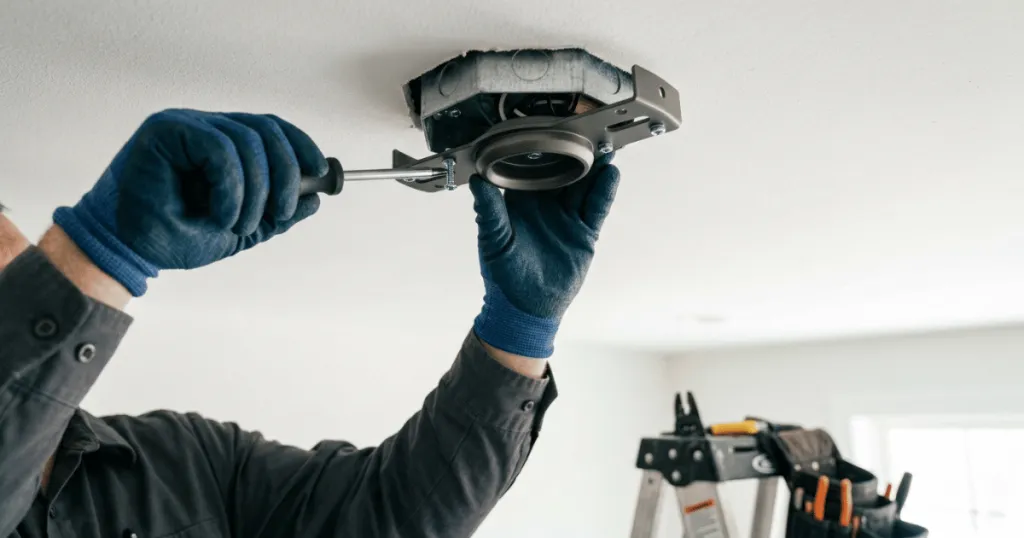
The primary driver of installation costs is the state of your ceiling’s electrical infrastructure. If you are replacing an existing light fixture with a ceiling fan, the process is generally straightforward because the necessary wiring and a junction box are already in place. Electricians can often complete this in a single visit, assuming the existing box is rated to support the weight and vibration of a fan.
However, if you are installing a fan in a room that currently has no ceiling fixture, the cost increases significantly. This requires running new electrical cable through the attic or ceiling joists, cutting into drywall, and installing a fan-rated junction box. These structural modifications add hours of labor, which is reflected in the final bill. Always verify that your installer is using a box specifically rated for ceiling fans, as standard light fixture boxes are not designed to handle the dynamic load of a spinning fan.
Ceiling Height and Accessibility
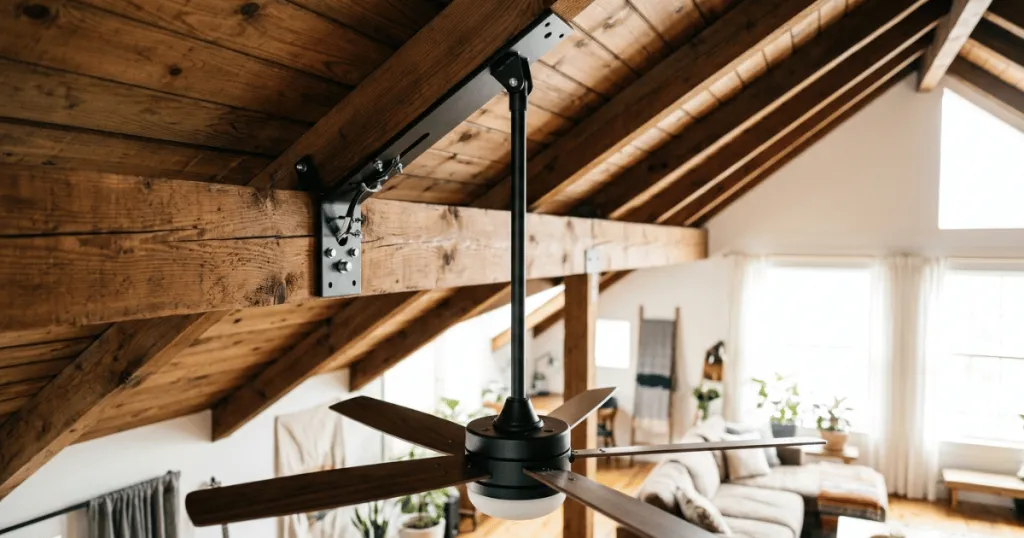
The height of your ceiling is a major logistical factor. Standard 8-foot ceilings are the most cost-effective to work on because they require minimal equipment. Once you move into vaulted, sloped, or high-ceiling territory—often 10 feet or higher—the labor cost rises. Professionals must use specialized ladders or scaffolding to reach the mounting point safely, which increases the time spent on setup and breakdown.
In addition to height, the physical accessibility of the ceiling joists matters. If your home has a crawlable attic space above the room, running new wiring is much faster than if the installer has to work from below by cutting and patching drywall. If drywall repair and repainting become necessary to hide the new wiring paths, you will likely need to budget for those additional trades or professional patching services.
Complexity of the Fan Design
Not all fans are created equal, and the design of the unit itself can impact installation time. A simple, low-profile fan with a basic wall control is typically faster to assemble and mount than a heavy, multi-light fixture fan with a complex remote receiver. If your fan requires extensive assembly before it is even lifted to the ceiling, the installer will bill for that time.
Furthermore, fans with integrated smart technology or complex DC motors may require more careful wiring and configuration. While these features add convenience, they can occasionally lead to troubleshooting time if the receiver does not sync correctly with your home’s wall switch or Wi-Fi network. Experienced installers will account for this testing period in their initial estimate.
Real-World Installation Context
In practice, the most common scenario is the “replace and upgrade” project. You likely have a dated light fixture in your bedroom or living room that you want to swap for a modern ceiling fan. In this case, the electrician will remove the old fixture, inspect the existing junction box, and determine if it meets current safety codes for a ceiling fan. If the box is already fan-rated, the labor is minimal, often falling at the lower end of the cost spectrum.
The situation changes when you encounter older homes. If your home was built several decades ago, the existing wiring might not include a ground wire, or the junction box might be a simple plastic or metal box meant only for a lightweight lamp. An electrician will refuse to hang a fan on a non-rated box because of the safety risk; the fan could eventually pull the box out of the ceiling. Upgrading to a heavy-duty, fan-rated brace is a non-negotiable safety requirement that adds to the total cost but is essential for long-term reliability.
Another common real-world consideration is the use of wall controls versus remote controls. If you want to control the fan speed and light separately but only have one switch on the wall, the electrician may need to fish an extra wire through the wall or install a specialized receiver module. Discussing your control preferences before the installer arrives helps them bring the right tools and parts, preventing mid-project delays that could inflate the labor hours.
Why Professional Installation Matters
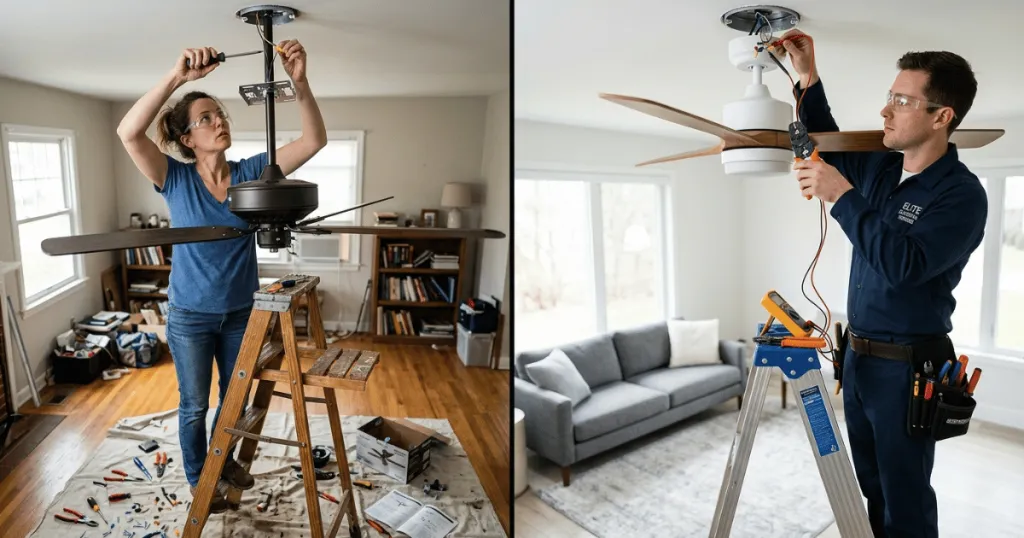
The cost of installation is essentially an investment in safety and peace of mind. Ceiling fans are dynamic appliances; they create constant vibration and torque. If a fan is improperly mounted, this vibration can cause the fixture to loosen over time, creating a significant safety hazard. A professional installer ensures that the mounting bracket is secured to a joist or a fan-rated brace, which is the most critical step in the entire process.
Beyond structural safety, electrical code compliance is paramount. Improperly wired fans can lead to flickering lights, motor humming, or even tripped breakers. By hiring a licensed professional, you ensure that the wiring is handled according to local building codes. This is particularly important if you ever decide to sell your home, as a home inspector will flag any DIY electrical work that does not meet standard safety protocols.
Finally, professional installation provides a level of quality control that is difficult to replicate without experience. A pro knows how to balance the fan blades to prevent wobbling, how to properly ground the unit to avoid electrical interference, and how to configure the remote receiver for optimal performance. These small details are what separate a fan that runs quietly and smoothly for years from one that becomes a source of frustration and noise.
Common Misconceptions
A frequent misconception is that the cost of installing a ceiling fan is purely based on the fan’s price. Many homeowners assume that a more expensive fan costs more to install, but the opposite is often true. A high-end, well-engineered fan may actually be easier to assemble and mount than a budget-friendly unit with poorly manufactured parts and confusing instructions.
Another common error is assuming that any existing ceiling light box is sufficient for a fan. Many people buy a fan, take down their old light, and realize the box behind it is just a small plastic shell. This leads to an emergency call to an electrician, which can be more expensive than scheduling a standard installation from the start. Always assume you need a fan-rated box unless you have verified otherwise.
Lastly, some believe that “handyman” rates are always the best choice for this task. While a general handyman might be able to hang a fan, an electrician is specifically trained in the electrical circuits and safety standards required for ceiling-mounted appliances. For a piece of equipment that moves and uses electricity, prioritizing specialized electrical knowledge over general labor savings is a safer approach for your home’s long-term health.
Evaluating Long-Term Value and Maintenance
When considering the total cost of ownership, it is helpful to look beyond the initial installation fee. A well-installed fan is less likely to require premature repairs or replacement. When an electrician installs a unit correctly, they ensure that the blades are properly balanced and that the motor housing is securely fastened. This reduces the mechanical stress on the unit, which can extend the lifespan of the motor significantly. If you opt for a cheaper, less experienced installer who skips these steps, you may find yourself paying for repairs or re-balancing services within a few years.
Furthermore, consider the energy efficiency implications. A fan that is installed at the correct height—often achieved through the use of an appropriate downrod—circulates air much more effectively. If a fan is mounted too close to the ceiling, it may struggle to pull enough air, forcing the motor to work harder and potentially increasing your energy consumption. Conversely, if it is hung too low, it may not provide the desired cooling effect. An experienced installer will advise you on the correct downrod length based on your ceiling height, ensuring that you get the most out of your investment in terms of both comfort and electrical efficiency.
Navigating Electrical Upgrades
In some older homes, the electrical infrastructure may simply be inadequate for modern ceiling fans. If you are adding a fan to a room that has never had a ceiling fixture, the electrician may need to run a new circuit from your breaker panel to the room. This is a significant undertaking that involves fishing wire through walls and potentially installing a new switch box. While this increases the upfront cost, it is a necessary step to ensure that your home’s electrical system remains safe and compliant with the National Electrical Code. Attempting to “piggyback” a fan onto an existing circuit that is already near capacity can lead to frequent tripped breakers and potential fire hazards.
It is also worth mentioning the role of smart home integration. Many modern fans come with built-in Wi-Fi or Bluetooth connectivity. While the physical installation of the fan remains similar to a standard model, the setup process can be more involved. If you are not comfortable configuring these systems, your installer may be able to assist, though this will likely add to the total labor time. Be sure to clarify whether your installer is comfortable with smart device setup before they begin, as some electricians focus strictly on the hardware and wiring aspects of the job.
Planning for Potential Complications
Even with the best planning, unforeseen issues can arise during the installation process. For example, once the old fixture is removed, the electrician might discover that the ceiling joists are not positioned where they need to be for the new fan’s mounting bracket. This may require the installation of a specialized fan brace that expands between joists, allowing for a secure mount even when the joists are not perfectly aligned. While this adds a small amount to the material costs, it is a standard solution that ensures the fan is installed safely and securely.
Another potential complication involves the condition of the existing wiring. If the insulation on the wires is brittle or damaged, the electrician will need to replace the affected sections to prevent short circuits. While this is an additional cost, it is a critical safety upgrade that should not be ignored. By addressing these issues during the installation process, you are essentially performing preventative maintenance on your home’s electrical system, which can save you from more expensive repairs down the road.
FAQ
Do I need to hire a licensed electrician to install a ceiling fan?
While some homeowners attempt DIY installation, hiring a licensed electrician is highly recommended. They ensure the junction box is properly rated for the fan’s weight and that all wiring meets local safety codes, which is essential for preventing electrical hazards and structural damage.
Does the cost of installation include the fan itself?
No, labor costs for installing a ceiling fan typically do not include the cost of the fan unit. You are responsible for purchasing the fan separately, and the professional’s fee covers the time, expertise, and necessary mounting hardware or electrical supplies required to complete the installation.
Why does a vaulted ceiling increase the installation cost?
Vaulted or high ceilings require specialized equipment like tall ladders or scaffolding to reach the installation point safely. The extra time required for setup, the increased safety risks, and the potential need for longer downrods to ensure proper airflow all contribute to higher labor costs.