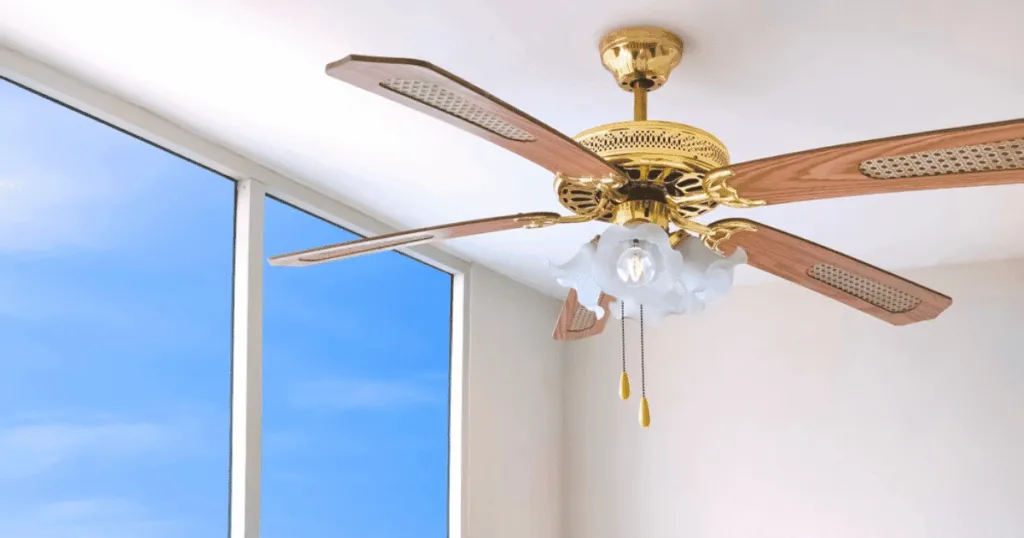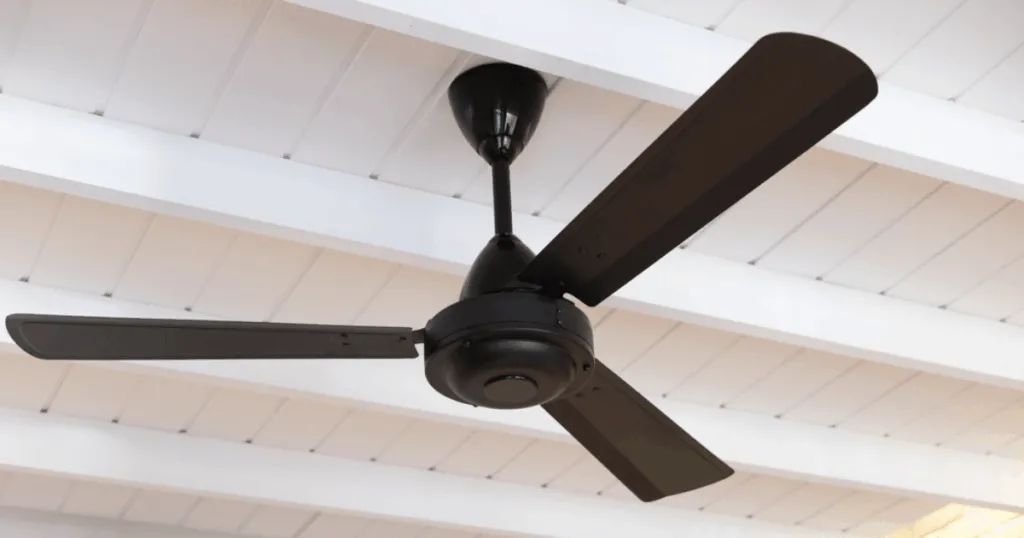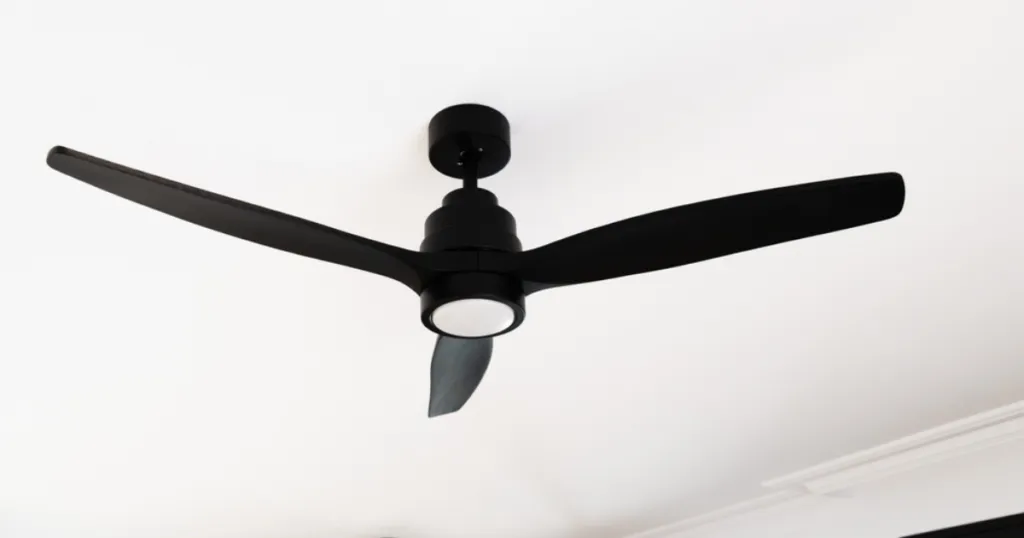
At a Glance: Yes, you can safely use a ceiling fan in a nursery. The key is to keep the fan on a low speed to ensure gentle air circulation rather than a direct, harsh draft. Proper use helps maintain a consistent room temperature and provides soothing white noise, both of which can support a better sleep environment for your baby.
The question of whether you can have a ceiling fan on with a newborn often centers on balancing the need for a comfortable, ventilated room with the desire to create a safe, draft-free sleeping environment. The short answer is yes, you can safely use a ceiling fan in a nursery, provided you manage the airflow and positioning correctly.
The key distinction lies in the difference between gentle air circulation and a direct, harsh draft that could potentially interfere with a baby’s temperature regulation. Can you have a ceiling fan on with a newborn? Yes, when used properly, a ceiling fan is an effective tool for maintaining consistent room temperatures and preventing stagnant air pockets. By understanding how to adjust your fan’s settings and placement, you can create a comfortable, well-ventilated space that supports better sleep for your baby.
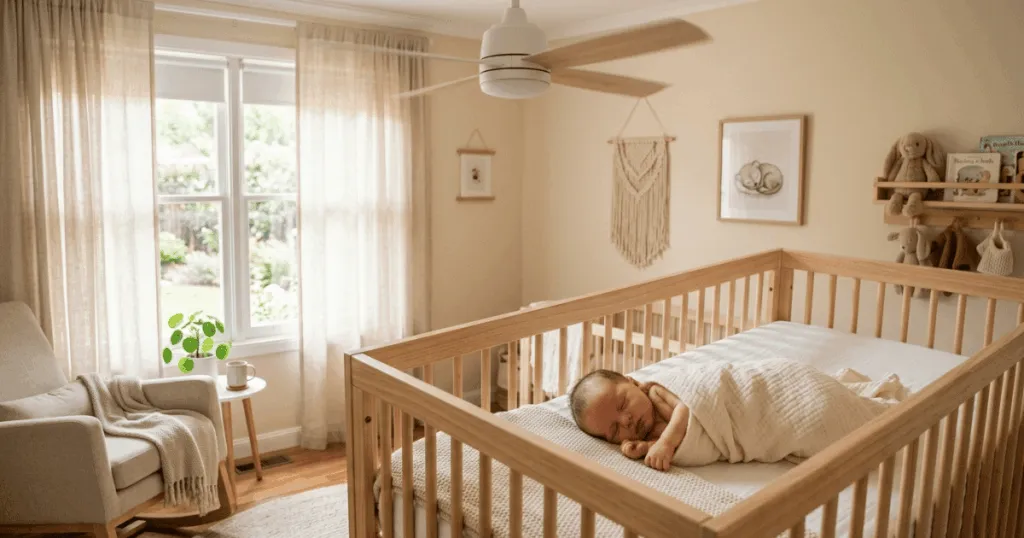
Factors Influencing Fan Use in the Nursery
The primary concern when using a ceiling fan with a newborn is the intensity and direction of the airflow. Newborns are still developing their ability to regulate body temperature, making them sensitive to rapid fluctuations in their environment. A fan that blows air directly onto a crib can cause the baby to lose body heat too quickly or experience discomfort from the constant breeze.
Airflow velocity is the most critical factor to control. Most modern ceiling fans come with multiple speed settings, and for a nursery, the lowest setting is almost always the most appropriate. A gentle, slow rotation is sufficient to keep the air moving and prevent it from becoming stale, without creating a strong wind chill effect. If your fan has a high-speed setting, it is best to reserve that for cooling the room down before the baby is placed in the crib, rather than during sleep.
Directional control is equally important. Most fans feature a reverse switch that changes the pitch of the blades to push air upward or downward. During warmer months, you want the blades to spin counter-clockwise to push air down, creating a cooling breeze. In a nursery, ensure this downward flow is not aimed directly at the sleeping surface. If the fan is positioned directly over the crib, you may need to rely on a lower speed or consider whether the fan’s blade angle is creating too much turbulence.
Noise sensitivity is another factor to consider. Many newborns find a low, consistent hum to be soothing, as it can mimic the ambient sounds of the womb. A ceiling fan that operates quietly and without mechanical clicking or wobbling can act as a form of natural white noise. However, if a fan is old or improperly balanced, the resulting noise might be more jarring than calming. Ensuring your fan is well-maintained and securely mounted is essential for both safety and sound quality.
Real-World Context for Nursery Airflow
In practice, the layout of the nursery dictates how you should manage your ceiling fan. If your ceiling is relatively low, the fan will naturally be closer to the crib. In this scenario, the risk of a direct draft is higher, and you must be more diligent about keeping the fan on the lowest speed. If you have a high ceiling, the fan is further removed from the baby, which provides a greater buffer and allows for more flexibility in airflow management.
Consider the room’s overall ventilation strategy. A ceiling fan works best when it is part of a broader approach to comfort. For example, if you are using a space heater or an air conditioner, the ceiling fan helps distribute that conditioned air more evenly throughout the room. This prevents hot or cold spots, which is beneficial for a newborn who cannot easily move to a more comfortable part of the room. Without the fan, the air near the ceiling might be significantly warmer or cooler than the air near the floor where the crib is located.
Another practical consideration is the age of the fan and its installation. A wobbly fan is not just a noise nuisance; it can be a safety concern if the mounting hardware is loose. Before the arrival of a newborn, take the time to inspect the fan. Check the balance of the blades and ensure all screws are tightened. If the fan has a light kit, consider the type of bulbs you are using. Dimmable, soft-white LEDs are ideal for nurseries because they provide enough light for nighttime feedings without being harsh or overly stimulating for the baby.
Finally, observe your baby’s response. Every newborn is different. Some babies sleep soundly with the gentle hum and breeze of a fan, while others may seem more sensitive to air movement. If you notice your baby seems restless or if their skin feels cool to the touch after a nap, it is a clear sign to adjust the fan speed or change the direction of the airflow. Trusting your observations is just as important as following general guidelines.
Why Consistent Airflow Matters
Maintaining a comfortable environment is about more than just temperature; it is about air quality and consistency. Stagnant air can lead to the buildup of dust or allergens, which can be irritating to a newborn’s developing respiratory system. By keeping the air moving, a ceiling fan helps ensure that the air in the nursery remains fresh and well-circulated, which is a significant benefit for long-term comfort.
The psychological aspect of a consistent environment also plays a role in sleep hygiene. A steady, predictable environment helps signal to the baby that it is time for sleep. The gentle, rhythmic movement of the fan blades combined with the low-frequency sound can become a comforting part of a bedtime routine. When the environment remains stable throughout the night, the baby is less likely to be disturbed by sudden changes in temperature or air quality.
From a maintenance perspective, using the fan regularly also keeps the motor lubricated and the components in working order. A fan that sits idle for months may accumulate dust on the blades, which can then be circulated into the air when you finally turn it on. Regular, low-speed use keeps the fan clean and ensures that it is ready to perform its job whenever you need it. This proactive approach to home maintenance is a simple way to support a healthier nursery environment.
Common Misconceptions About Nursery Fans
A common misconception is that ceiling fans are inherently dangerous for newborns because they create “drafts.” While a strong, direct draft is undesirable, the term is often used too broadly. A gentle circulation of air is not the same as a cold, direct breeze. The goal is to move the air, not to create a wind tunnel. By focusing on speed and blade direction, you can easily avoid the pitfalls that people associate with drafts.
Another myth is that you must turn off the fan completely during the night. In reality, the benefits of consistent air circulation and white noise often outweigh the minimal risk of a low-speed breeze. As long as the fan is not blowing directly onto the baby’s face or body, leaving it on is generally safe and often preferred for maintaining a stable room climate. The key is to avoid the high-speed settings that create excessive turbulence.
Some parents also worry that a fan will cause the baby to get sick. It is important to remember that illness is caused by viruses and bacteria, not by moving air. While a draft might make a baby uncomfortable or cause them to feel chilly, it does not cause a cold. Focusing on maintaining a clean, comfortable, and well-ventilated room is a much more effective way to support your newborn’s health than avoiding air movement altogether.
Strategic Placement and Fan Selection for Nurseries
When planning a nursery, the placement of the ceiling fan relative to the crib is a design decision that impacts long-term comfort. Ideally, the fan should be centered in the room, but if the room layout forces the crib to sit directly under the fan, you must be extra cautious. In such cases, consider using a fan with a lower profile or one that allows for precise speed control. Some modern fans offer “breeze modes” that fluctuate speeds, which can be less monotonous than a constant, high-velocity stream of air.
The size of the fan also matters. A fan that is too large for a small nursery can create excessive air movement even on its lowest setting. For a standard-sized bedroom, a 42-inch or 44-inch fan is often sufficient. If you are selecting a new fan, look for models with high-quality motors that are designed for silent operation. DC motor fans are particularly notable for their efficiency and their ability to run at very low speeds, which is perfect for maintaining gentle air circulation without the noise or vibration associated with older AC motor models.
Furthermore, consider the aesthetic and functional integration of the fan. A fan with an integrated light kit can serve as the primary light source for the room, but ensure the light is soft and diffused. Harsh, direct lighting can be disruptive during late-night diaper changes. If the fan has a pull chain, ensure it is out of reach of children as they grow, or opt for a wall-mounted control or remote control system. This adds a layer of safety and convenience, allowing you to adjust the fan without needing to reach up toward the blades.
Managing Seasonal Transitions
The role of the ceiling fan shifts as the seasons change. During the summer, the goal is to create a cooling effect through air movement, which aids in evaporation and helps the baby feel more comfortable in humid conditions. However, in the winter, the goal shifts to heat distribution. Heat naturally rises, and in a room with a high ceiling, the air near the floor can be significantly cooler than the air near the ceiling. By running the fan in reverse at a very low speed, you can gently push that warm air back down toward the floor, creating a more uniform temperature throughout the room.
This seasonal management is vital for maintaining a consistent climate. When using a heater in the winter, the fan helps prevent the “layering” of air, where the baby might be sleeping in a cold pocket while the rest of the room is warm. By keeping the air moving, you ensure that the heat from your furnace or space heater is evenly distributed, which reduces the need to crank up the thermostat and helps keep the air from becoming overly dry. Always remember to check the direction of the blades when the seasons change, as this simple adjustment is the most effective way to optimize your fan’s performance for your baby’s comfort.
Long-Term Maintenance for Nursery Safety
As your child grows, the nursery environment will evolve, but the importance of a well-maintained ceiling fan remains. Dust accumulation on fan blades is a common issue that can impact air quality. If dust is allowed to build up, it can be blown into the air every time the fan is turned on, potentially aggravating respiratory sensitivities. Make it a habit to clean the blades regularly with a damp cloth or a specialized duster. This simple task ensures that the air being circulated is clean and free of unnecessary allergens.
Periodically inspect the mounting hardware to ensure that the fan remains securely attached to the ceiling. Over time, the natural vibration of a fan can cause screws to loosen slightly. A quick check every few months—perhaps during your seasonal cleaning—is a good practice. If you notice any wobbling, address it immediately by checking the blade balance or the mounting bracket. A stable, quiet fan is a reliable tool for creating a comfortable, soothing environment for your baby, and by staying on top of these minor maintenance tasks, you can ensure that your fan serves its purpose safely for years to come.
FAQ
Should I use the ceiling fan in the nursery during winter?
Yes, you can use the ceiling fan during winter, but you should switch it to the reverse (clockwise) setting. This pushes warm air that has risen to the ceiling back down into the room, helping to maintain a consistent temperature without creating a direct breeze on the baby.
Is the noise from a ceiling fan good for a newborn?
Many newborns find the low, consistent hum of a ceiling fan to be soothing, as it acts as a form of natural white noise. As long as the fan is well-maintained and does not have mechanical issues like clicking or rattling, the sound can help mask household noises and promote better sleep.
How can I tell if the fan is too strong for my baby?
If your baby seems restless, has cold skin after waking, or if you can feel a direct, noticeable breeze when standing in the crib area, the fan is likely on too high a setting. Always prioritize the lowest speed and ensure the airflow is not directed straight down onto the sleeping surface.