Quick Answer: To determine the correct bulb, first identify the base type (E26 medium or E12 candelabra) and verify the fixture’s maximum wattage rating. Ensure the bulb’s physical dimensions fit within the light kit’s glass housing, choose a vibration-rated or enclosed-fixture-rated LED for durability, and match the lumen output and color temperature to your room’s specific lighting needs.
When you are staring at a dim or flickering light on your ceiling fan, the immediate instinct is to grab the first bulb you find in the utility drawer. However, determining what size light bulb for ceiling fan fixtures is not just about the physical fit; it is about safety, heat management, and electrical compatibility. Ceiling fans are specialized environments that often subject bulbs to vibrations and confined spaces, making the selection process more nuanced than choosing a bulb for a standard table lamp.
The most important distinction to understand is that ceiling fan light kits are often restricted by both physical dimensions and thermal limits. Unlike an open-air fixture, a fan light kit—especially those with glass globes or shades—can trap heat. Using the wrong bulb can lead to premature failure of the bulb itself, damage to the light socket, or even melting of the plastic housing. By prioritizing the manufacturer’s specifications over general convenience, you ensure a longer lifespan for your fixture and safer operation in your home.
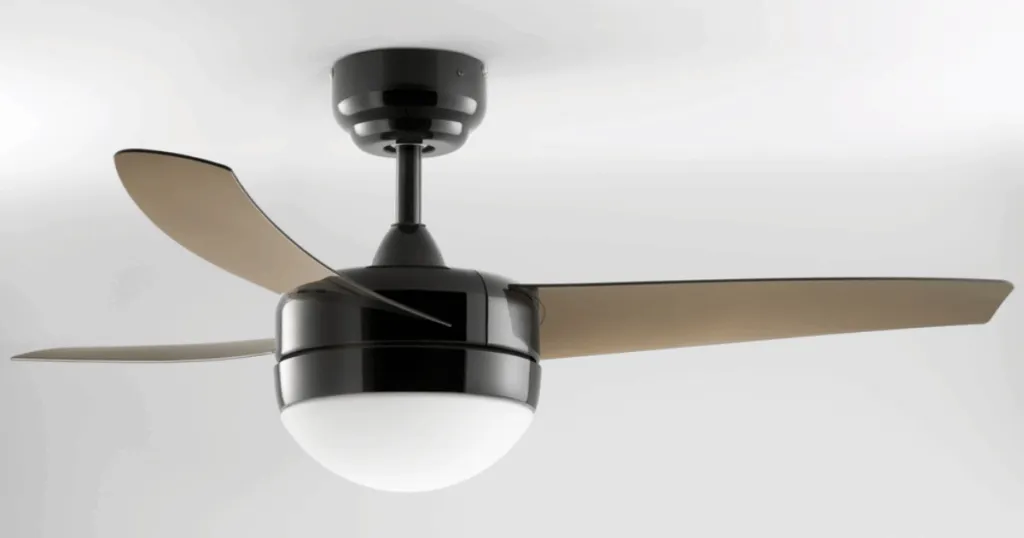
Understanding Base Types and Physical Constraints
The first step in identifying what size light bulb for ceiling fan hardware is checking the base type. Most modern ceiling fans utilize either a standard medium base (E26) or a smaller candelabra base (E12). The E26 base is the same size as a typical household bulb, while the E12 base is the thinner, screw-in type often found in decorative chandeliers or smaller fan light kits.
Physical space is your next major constraint. Many ceiling fan light kits feature glass bowls or narrow shades that limit the diameter of the bulb you can install. If you choose a bulb that is too wide, it may press against the glass, creating hot spots or simply refusing to fit entirely. Always measure the clearance inside your light kit before purchasing replacements, especially if you are switching from older incandescent bulbs to modern LED alternatives.
Wattage Limits and Thermal Safety
Every ceiling fan light kit comes with a maximum wattage rating, usually printed on a sticker near the socket or found in the owner’s manual. This rating is not a suggestion; it is a thermal limit designed to prevent the socket and wiring from overheating. If your fixture is rated for 60 watts, you must ensure the total wattage of the bulbs installed does not exceed this number.
In practice, this is where LED technology offers a significant advantage. Because LEDs consume a fraction of the energy of traditional incandescent bulbs, they produce very little heat. You can often replace a 60-watt incandescent bulb with a 9-watt LED bulb that provides equivalent brightness. This transition keeps your fixture well within its thermal safety margins while significantly reducing energy consumption in your home.
Real-World Context: Vibration and Durability
Ceiling fans are dynamic appliances that generate constant, low-level vibrations. While these vibrations are barely noticeable to humans, they can be destructive to standard light bulbs. A common mistake is using a standard, inexpensive incandescent bulb that is not rated for vibration resistance. Over time, the delicate filament inside an incandescent bulb will snap due to the constant movement, leading to frequent replacements.
When selecting a bulb, look for “vibration-rated” or “fan-rated” labels on the packaging. These bulbs are engineered with reinforced filaments or more robust internal components designed to withstand the oscillation of a ceiling fan. If you are using LED bulbs, this is less of a concern because they lack fragile filaments, but you should still ensure the bulb is rated for enclosed fixtures if your fan has a glass dome or shade.
The Role of Enclosed Fixtures
Many ceiling fans house their bulbs inside an enclosed glass bowl. This design aesthetic creates a specific challenge: heat dissipation. Even if an LED bulb is energy-efficient, it still generates heat at its base. If that heat cannot escape because the bulb is trapped in a sealed glass globe, the internal electronics of the LED bulb can degrade rapidly.
Always check the packaging to see if the bulb is marked as “suitable for enclosed fixtures.” This rating indicates that the bulb’s internal components are designed to handle higher ambient temperatures. Using a non-rated bulb in an enclosed fan light kit is a primary cause of premature LED failure, often manifesting as flickering or a complete loss of light within a few months of installation.
Why Choosing the Right Bulb Matters
Selecting the correct bulb is essential for both the longevity of your ceiling fan and the quality of your home environment. A bulb that is too heavy or vibrates excessively can eventually loosen the socket or cause the light kit to rattle, creating an annoying sound that ruins the comfort of the room. Furthermore, using a bulb that exceeds the wattage rating can lead to scorched sockets, which are a fire hazard and often require replacing the entire light kit assembly.
Beyond safety, there is the matter of light quality. Ceiling fans are often the primary light source in bedrooms or living areas. Choosing the wrong color temperature—such as a harsh, clinical cool white in a cozy bedroom—can make the space feel uninviting. By understanding what size light bulb for ceiling fan units is appropriate, you can also focus on selecting the right lumen output and color temperature to match the intended atmosphere of your room.
Common Misconceptions About Fan Lighting
A frequent misconception is that all bulbs with the same base size are interchangeable. This ignores the reality of bulb shape and dimensions. A standard A19 bulb might have the correct E26 base, but its shape could be too bulbous for a slim, modern fan light kit. Always verify the physical dimensions, not just the base type.
Another common error is assuming that higher wattage always equals better light. In reality, modern LED bulbs provide high lumen output at very low wattages. You do not need to push the limits of your fixture’s wattage rating to get a bright, well-lit room. Focus on the lumen count for brightness and the Kelvin scale for color temperature, rather than chasing high wattage numbers that only serve to increase heat buildup.
Strategic Selection: Matching Bulbs to Room Needs
When you have confirmed the physical size and base type, the next step is optimizing for the room’s function. A ceiling fan in a home office requires different lighting characteristics than one in a bedroom. For workspaces, look for bulbs with a higher Kelvin rating—typically 3000K to 4000K—to provide a crisp, daylight-like illumination that reduces eye strain. In contrast, bedrooms benefit from warmer tones, often in the 2700K range, which promotes relaxation.
Consider the dimming capabilities of your fan. If your ceiling fan is controlled by a wall dimmer or a remote-controlled dimming module, you must use “dimmable” LED bulbs. Using a non-dimmable LED on a dimmed circuit will cause severe flickering, buzzing, and potential damage to the bulb’s internal driver. This is a common point of confusion for homeowners who assume all LEDs are compatible with existing wall switches.
Managing Light Kit Aesthetics and Bulb Shape
The visual impact of the bulb within the fixture is often overlooked. In fans with clear glass or open-style light kits, the bulb itself is a design element. In these cases, consider “Edison-style” LED filaments that mimic the look of vintage incandescent bulbs while maintaining the efficiency and safety of modern technology. Conversely, if your fan uses an opaque or frosted glass shade, the shape of the bulb is less critical, provided it fits within the housing. Always ensure the bulb does not create “hot spots” or uneven shadows on the glass, which can happen if the light source is too close to the shade material.
Maintenance and Long-Term Care
To maximize the life of your ceiling fan lighting, treat the light kit as a maintenance zone. Every six months, when you dust the fan blades, take a moment to inspect the light bulbs. Ensure they are screwed in firmly, as vibration can cause them to loosen over time, leading to arcing or intermittent connectivity. If you notice any discoloration on the socket or the bulb base, stop using the light immediately and inspect the socket for signs of heat damage. Proactive care prevents the need for expensive repairs and ensures your home lighting remains both functional and safe.
FAQ
Can I use a higher wattage bulb than the ceiling fan recommends?
No. You should never exceed the maximum wattage rating specified by the manufacturer. Doing so can cause the light socket to overheat, melt the surrounding plastic, and create a significant fire hazard.
Why do my LED bulbs flicker in my ceiling fan?
Flickering in ceiling fan bulbs is often caused by using a non-dimmable bulb on a dimmed circuit, or by using a bulb not designed for the heat levels inside an enclosed light kit. Ensure your bulb is rated for both enclosed fixtures and the specific dimming capability of your fan.
Are there specific bulbs designed for ceiling fans?
Yes. Look for bulbs labeled ‘fan-rated’ or ‘vibration-resistant.’ These are built with more durable internal components to withstand the constant movement and oscillation of a ceiling fan, which can cause standard bulbs to fail prematurely.