If you have noticed that your ceiling fan squeaks only in winter/cold weather, you are not alone. This is a common frustration for many homeowners who rely on their fans to circulate warm air during the colder months. When the temperature drops, the materials within your fan, such as metal housings, plastic blades, and internal lubricants, react to the chill in ways they do not during the summer. This seasonal noise is rarely a sign of a failing motor, but rather a mechanical response to the changing environment in your home.
Understanding why this happens is the first step toward restoring silence to your living space. By identifying the specific components affected by thermal contraction, you can often resolve the issue with simple adjustments rather than expensive repairs or replacements. This guide explores the physical factors behind the noise, provides context for why it occurs, and offers practical steps to help you troubleshoot the situation effectively.
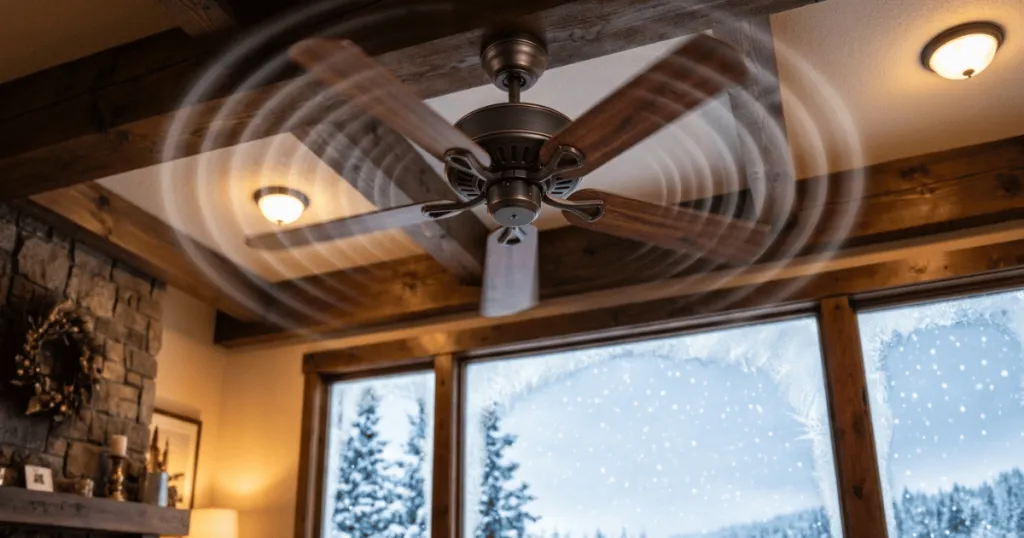
Understanding Why a Ceiling Fan Squeaks Only in Winter/Cold Weather
The primary reason for seasonal fan noise is thermal contraction. Ceiling fans are composed of various materials, including steel, aluminum, and high-density plastics. These materials expand when warm and contract when cold. When the ambient temperature in a room drops significantly, the metal components of the fan housing may shrink slightly. This minute change in size can cause screws, mounting brackets, or internal housing parts to rub against each other, creating the rhythmic chirping or squeaking sound you hear.
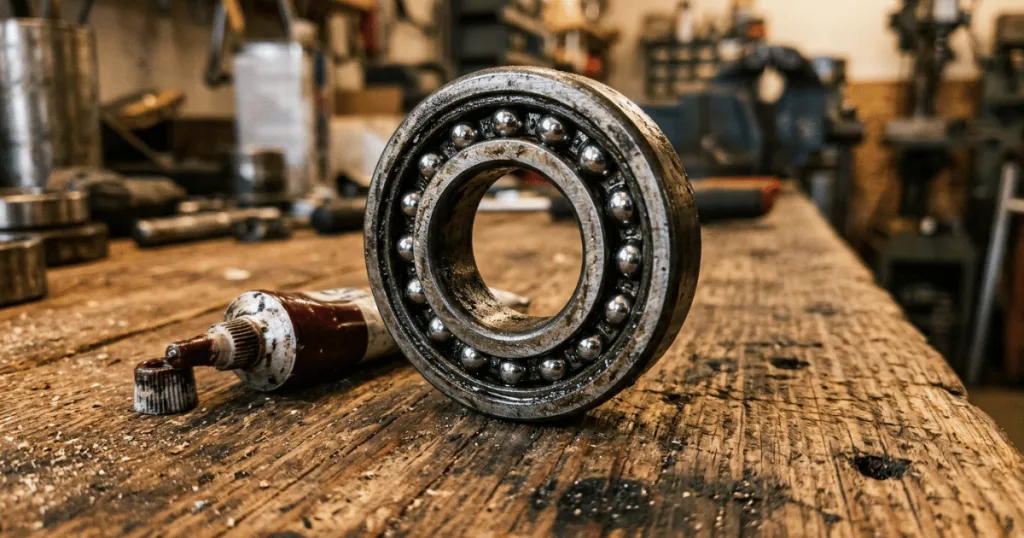
Another major factor involves the lubricant inside the fan motor. Many ceiling fans use factory-applied grease or oil to keep internal bearings moving smoothly. In colder temperatures, this lubricant can thicken or become viscous. When the motor starts up, the thicker grease creates more resistance, which can lead to a temporary squeak until the motor warms up and the lubricant reaches its optimal operating temperature. This is why you might notice the sound is most prominent during the first few minutes of operation.
Finally, consider the mounting hardware. If your fan is mounted to a ceiling box that is not perfectly level, or if the mounting screws have loosened over time, the cold air can exacerbate these structural gaps. As the house settles and the materials contract, a loose canopy or bracket may shift just enough to create friction. This friction, combined with the vibration of the motor, produces a sound that is often mistaken for a motor issue but is actually a mounting stability problem.
Real-World Context and Troubleshooting
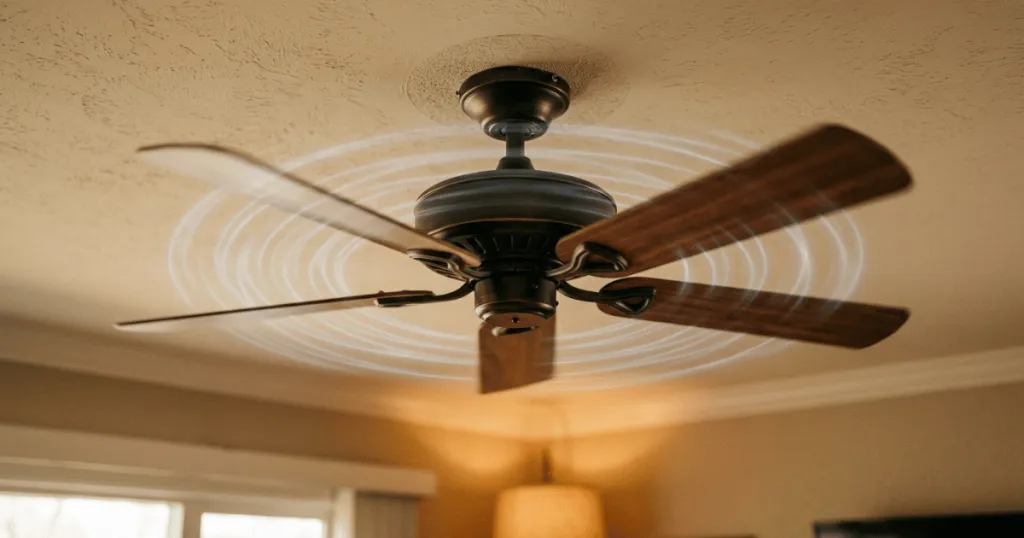
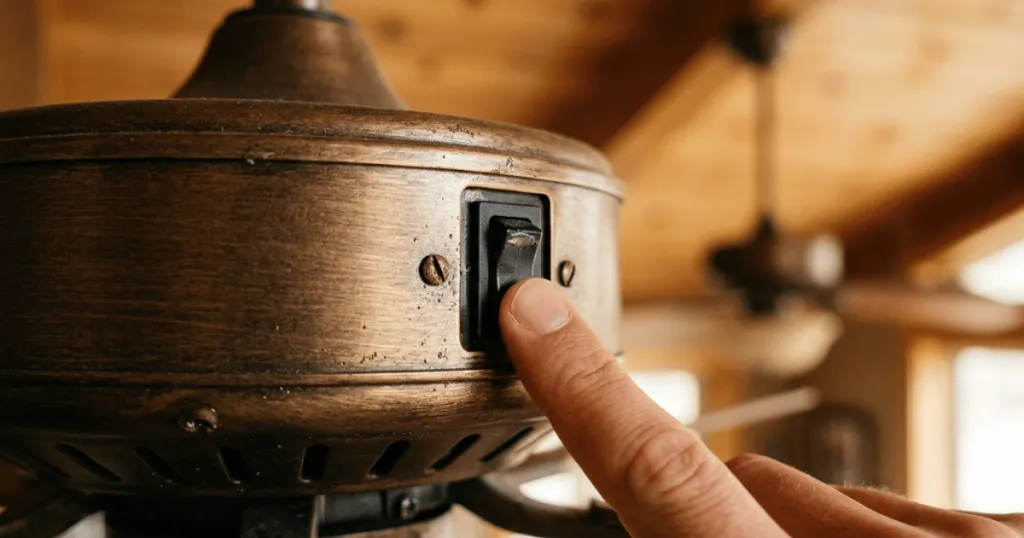
In practice, the noise often occurs because of the way we use fans in the winter. Many homeowners reverse their fan direction to push warm air down from the ceiling. This change in blade pitch and motor direction puts different stresses on the fan than the standard summer mode. If the fan was already slightly off-balance or had loose hardware, the reverse airflow can highlight these issues, making the squeak more apparent than it was during the summer months.
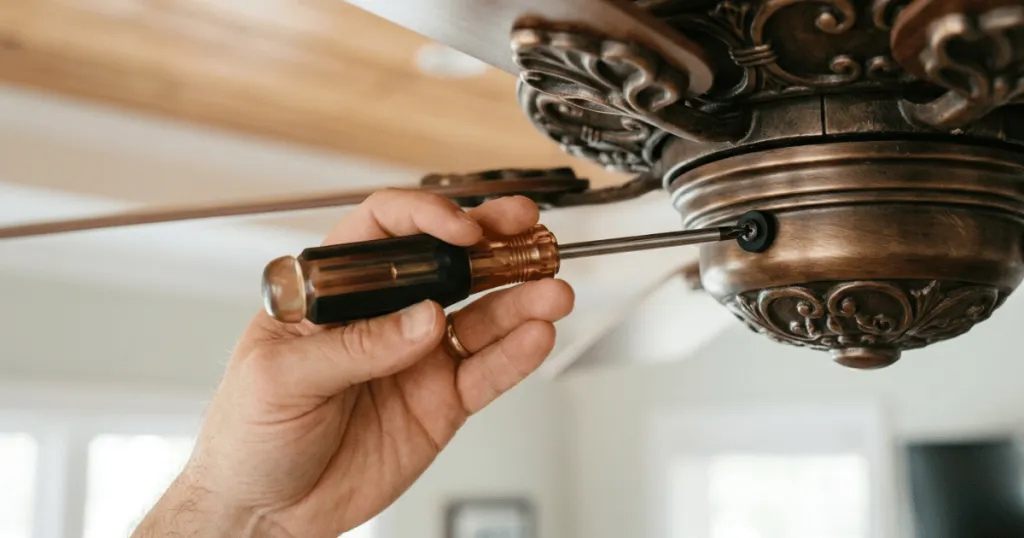
To address this, start by checking the blade screws. Over time, the constant vibration of the fan can cause these screws to back out slightly. During the winter, the contraction of the metal blade irons can make these loose connections rattle or squeak against the motor housing. Tightening every screw on the blade assembly is a quick, non-invasive step that resolves the majority of these cases. Ensure you do not over-tighten, as this can strip the threads or crack plastic components.
Next, inspect the canopy and mounting bracket. If the canopy is loose, it will vibrate against the ceiling or the mounting ball. During the winter, the air in the attic space above the ceiling can be significantly colder, cooling the mounting hardware faster than the rest of the room. This temperature differential can cause the metal to shift slightly. Tightening the set screws on the canopy often eliminates the noise entirely. If the noise persists, check the balance of the blades using a standard balancing kit, as even a slight wobble can become more audible when the house is quiet and the windows are closed.
When troubleshooting, consider the specific environment of the room. A fan in a high-ceiling living room may experience different thermal gradients than a fan in a bedroom. If your ceiling fan is installed on a vaulted ceiling, the mounting ball and socket assembly is particularly susceptible to temperature-induced shifts.
Ensure the ball is seated correctly in the bracket. If the ball is slightly misaligned, the cold air can cause the metal to rub against the canopy, creating a persistent squeak that only stops once the room reaches a steady, warmer temperature. Furthermore, check for any debris that may have accumulated in the motor housing. Dust and lint can harden in cold temperatures, acting like grit between moving parts. A gentle cleaning with compressed air can often remove this debris without needing to disassemble the motor.
Why Addressing Seasonal Fan Noise Matters
Addressing a squeaky fan is about more than just eliminating an annoying sound. It is about the long-term health of your appliance. A fan that squeaks is signaling that there is friction where there should be fluid movement. If left unaddressed, this friction can lead to premature wear on the motor bearings or the mounting assembly. By identifying the source of the noise early, you prevent the need for more invasive repairs later.
Furthermore, noise sensitivity is a significant factor in home comfort. During the winter, we spend more time indoors, and the ambient noise level of a home is typically lower than in the summer. A squeak that might be masked by the sound of an open window or a bustling household in July becomes impossible to ignore in the quiet of a winter evening. Resolving this sound improves the quality of your living environment and ensures your fan remains a useful tool for heat distribution rather than a source of irritation.
Consider the impact of vibration on the ceiling structure itself. A fan that squeaks due to loose hardware is often vibrating more than it should. Over a full winter season, this constant, subtle vibration can work screws loose further or even cause hairline cracks in the drywall around the ceiling box. By performing a quick inspection at the start of the heating season, you are practicing proactive ceiling fan maintenance that protects both the fan and the ceiling finish. This is a small investment of time that pays off in reduced stress and a quieter home environment.
Common Misconceptions About Fan Noise
A common misconception is that a squeaking fan automatically means the motor is burning out. In reality, motor failure is usually accompanied by a grinding, humming, or burning smell. If the sound is a high-pitched squeak or chirp, it is almost always external to the motor core. Do not rush to replace the entire unit based on a seasonal noise, as most of these issues are mechanical and external.
Another misconception is that you need to lubricate the motor yourself. Most modern ceiling fans are designed with sealed bearings that do not require additional oiling. Adding oil to a sealed motor can actually damage the internal components or attract dust, which creates more friction over time. Always check your specific manufacturer manual before attempting to apply any lubricant. If the manual does not explicitly state that the fan is oil-compatible, assume it is not and focus your efforts on tightening hardware and checking for balance.
Some homeowners believe that the noise is caused by the fan motor being too small for the room, but this is rarely the case. While an undersized motor might work harder to move air, the squeaking sound is almost exclusively a symptom of mechanical friction or loose parts. If you suspect the motor is struggling, look for signs of overheating or slow rotation speed rather than focusing on the noise alone. If the fan rotates at the expected speed and the motor housing is not excessively hot to the touch, the squeak is likely a minor mechanical issue that can be fixed with a screwdriver.
Advanced Troubleshooting for Persistent Squeaks
If you have tightened all visible screws and the fan still squeaks, you may need to look at the internal mounting components. Sometimes the issue lies with the rubber gaskets or dampeners located between the motor housing and the blade irons. These rubber parts can become brittle in cold weather, losing their ability to absorb vibration. If the rubber has hardened, it may no longer provide the necessary buffer, allowing metal to rub against metal. Replacing these small rubber grommets is an inexpensive way to restore the fan to its original, quiet operation.
Another area to inspect is the light kit, if your fan has one. The light kit is often attached to the bottom of the fan with small screws. If these screws are loose, the vibration of the fan can cause the light fixture to rattle or squeak against the motor housing. Because the light kit is at the bottom of the assembly, it is often overlooked during routine maintenance. Ensure these screws are snug, and check that any glass shades are properly seated and not vibrating against their metal clips. Often, a small piece of felt or a thin rubber washer can be placed between the glass and the metal to eliminate persistent rattling sounds that appear during colder months.
Finally, consider the electrical connections within the canopy. While it is rare, a wire nut that has come loose can vibrate against the inside of the metal canopy. If you have already tightened the canopy screws and the noise persists, it may be worth turning off the power at the breaker and checking that all wire connections are secure and tucked away from the metal housing. This ensures that no loose wires are creating a tapping or squeaking sound as the fan rotates.
Conclusion
When you find that your ceiling fan squeaks only in winter/cold weather, remember that the cause is likely thermal contraction or thickened lubricant rather than a major mechanical failure. By systematically checking your blade screws, canopy mounting, and overall balance, you can usually resolve the issue with minimal effort. Prioritize checking the hardware first, as this is the most common culprit in seasonal noise. Maintaining your fan ensures it continues to provide efficient air circulation throughout the year, keeping your home comfortable regardless of the temperature outside.
FAQ
Should I spray oil into my ceiling fan to stop the squeaking?
No. Most modern ceiling fans use sealed bearings that do not require oil. Adding oil can attract dust and debris, which may worsen the noise or damage the motor. Only use lubricant if the manufacturer manual specifically instructs you to do so.
Why does the squeak only happen when I reverse the fan for winter?
Reversing the fan changes the direction of the motor and the angle of the blades. This puts different mechanical stress on the fan assembly. If there is a loose screw or a slightly unbalanced blade, the reverse motion can cause these issues to become audible.
Can cold air from the attic cause my fan to squeak?
Yes. If the ceiling box is not properly insulated, cold air from the attic can cool the mounting hardware. This temperature difference causes the metal parts to contract and shift, which can lead to friction and squeaking sounds in the canopy or mounting bracket.