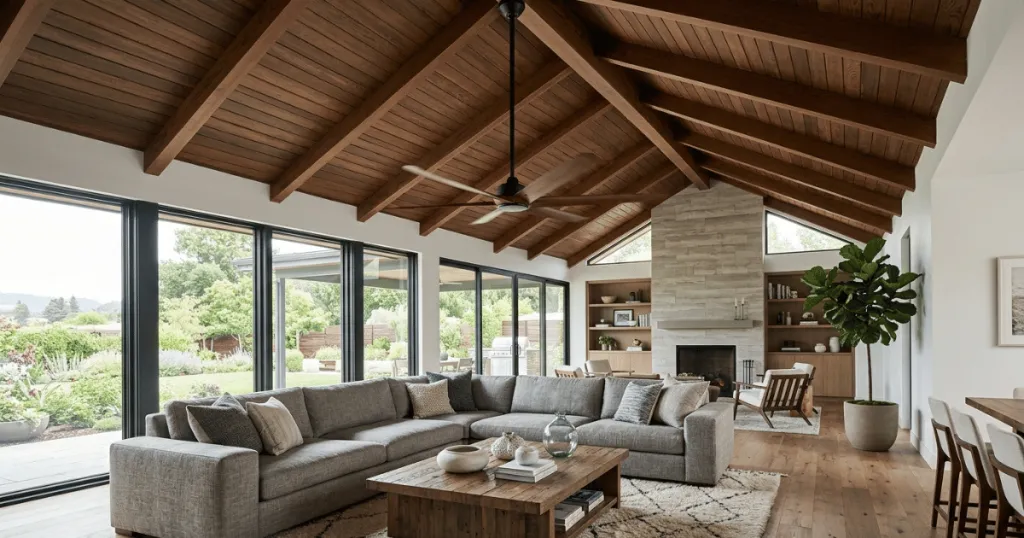
When your living room or bedroom features vaulted architecture, hanging a fixture directly against the drywall leaves it trapped in dead air. Installing a ceiling fan downrod extension bridges the gap between your architecture and daily comfort by lowering the motor housing into the active living zone. Without this modification, air stratification keeps warm air trapped near the roof peak while leaving the floor stagnant.
Addressing high architecture requires more than just longer hardware. It involves understanding how motor clearance, blade pitch, and safety clearances interact with your room dimensions. Choosing the correct hardware ensures your motor operates efficiently without straining the electrical box.
Homeowners often underestimate how much vertical distance impacts everyday indoor climate control. When a room features soaring rooflines, air masses tend to separate into distinct thermal layers, making heating and cooling systems work much harder than necessary. Correcting this vertical disconnect requires precise positioning of your rotating blades so that convective currents can actively mix the room air rather than letting it circle uselessly near the ceiling.
Understanding the Mechanics of a Ceiling Fan Downrod Extension
The primary purpose of hanging hardware is positioning the blades at the optimal height for air circulation. Standard mounts place the blades roughly eight feet above the floor, which is the baseline requirement for standard flat surfaces. When your ceiling height exceeds nine feet, the air movement generated by standard mounting hardware dissipates before reaching anyone in the room.
Lowering the motor places the blades into the occupied zone where convective currents actually cool human skin. This placement also prevents the blades from drawing air from a narrow pocket near the peak. In practice, this means your motor does not have to work as hard to create a noticeable breeze.
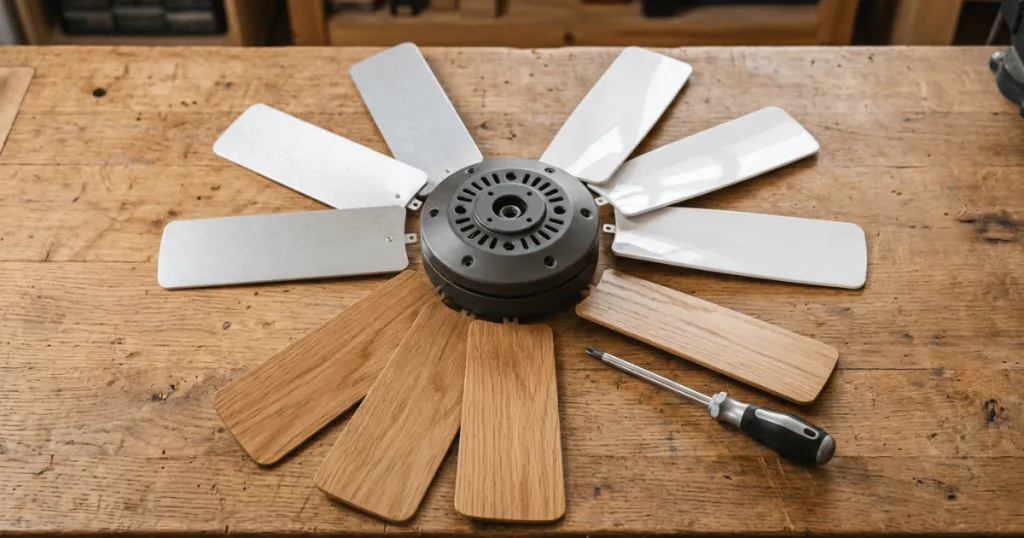
Lowering a fixture also changes the balance and stability dynamics. Longer metal pipes introduce more torque and lateral movement during high speed operation. Manufacturers engineer specific pipe diameters and threading to match motor weights and torque ratings. Using mismatched hardware creates wobble that wears out internal bearings prematurely.
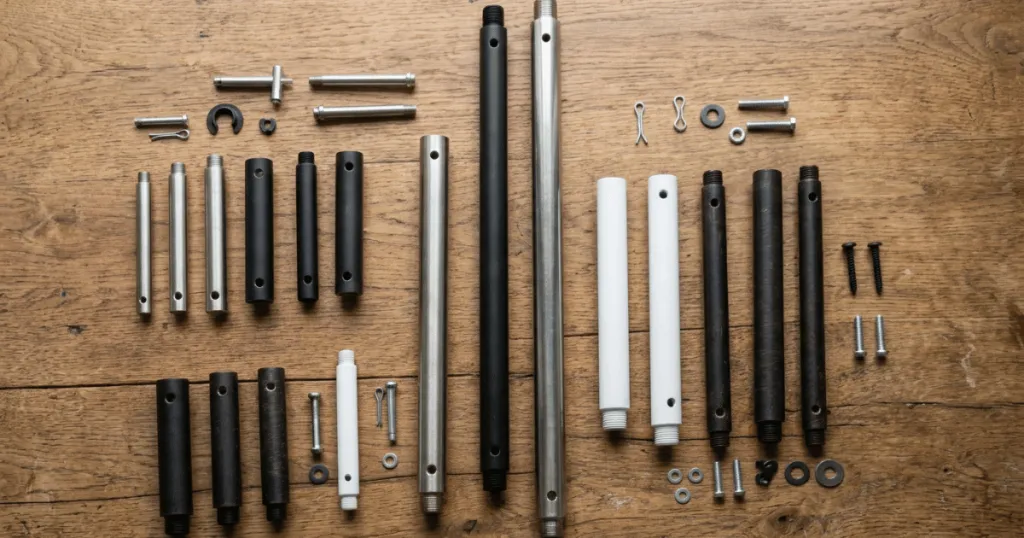
Examining the mechanical load reveals why engineering tolerances matter so much for hanging hardware. As the pipe length increases, the fulcrum point moves further away from the structural ceiling support. This leverage magnifies any minor imbalance in the blade set, turning a tiny manufacturing variance into a noticeable wobble at the motor housing. Selecting a certified ceiling fan drop rod ensures that the outer diameter, wall thickness, and pin alignment match the exact specifications required by the motor assembly.
Determining the Correct Length for Your Room
Selecting the right hardware length depends almost entirely on the distance from your floor to the ceiling. Industry standards recommend that ceiling fan blades sit between eight and nine feet above the floor for maximum safety and efficiency. If your ceiling measures ten feet, you need a hardware piece that spans the difference minus the height of the motor housing.
For sloped or vaulted architecture, you must also factor in the pitch of the roof. The lowest point of the angled surface dictates the maximum hardware length to prevent the rotating blades from striking the wall or beam. A specialized angled canopy kit is often required alongside the longer pipe to keep the mount secure on a slanted surface.
Here is a practical breakdown of standard measurements and recommended hardware lengths based on common residential dimensions:
- 9-foot ceiling: Standard mount or very short extension depending on motor design.
- 10-foot ceiling: 12-inch to 18-inch extension to reach the optimal eight-foot blade height.
- 12-foot ceiling: 24-inch to 36-inch extension to pull the motor down into the living space.
- 14-foot ceiling and above: 48-inch or longer extension, often paired with stabilizing cables for safety.
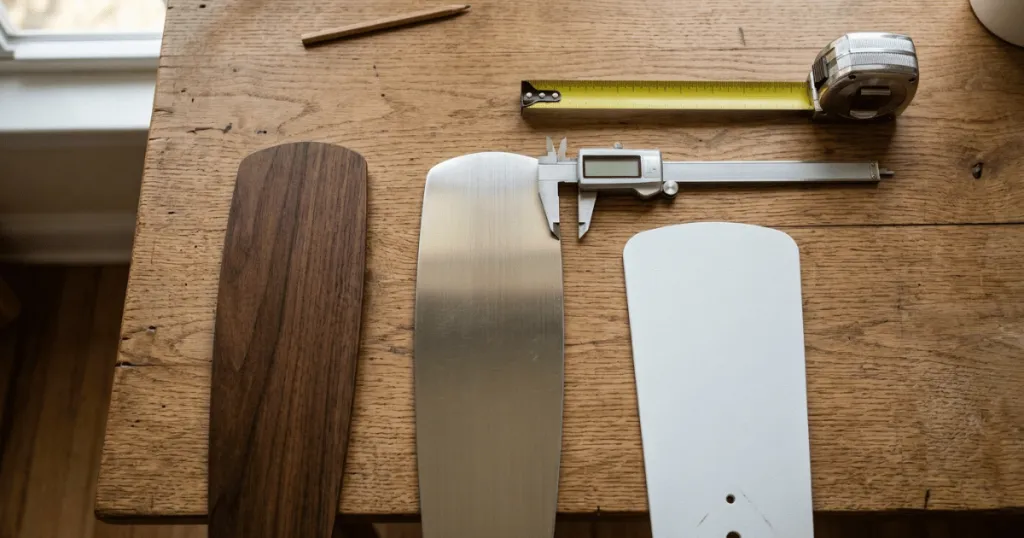
Calculating the precise drop requires careful accounting for architectural quirks such as exposed wooden beams, decorative molding, or asymmetrical roof peaks. If your room features a dramatic vaulted ceiling fan extension layout, measure from the absolute highest point of the ceiling for structural clearance, but calculate your actual blade drop from the specific point where the fan mounts. Neglecting this distinction often leads to purchasing a pipe that either leaves the motor stranded too high in the peak or brings it down so far that it intrudes into normal walking paths.
Safety Considerations and Structural Support
Hanging a rotating motor from a long metal pipe places immense leverage on the junction box in the ceiling. Standard electrical boxes designed for lightweight light fixtures cannot support the dynamic load of a swinging, vibrating motor. You must verify that your junction box is rated specifically for heavy fan support and anchored directly to the framing.
Longer configurations also require careful attention to interior wiring. Standard electrical supply wire is not long enough to span a multi-foot extension pipe. You will need to splice in longer lead wires of the correct gauge matching the manufacturer specifications, ensuring all wire nuts and connections remain secure inside the canopy.
Stability becomes another major factor once you exceed three feet of hanging length. Lateral sway can cause the spinning blades to clip light kits or wobble violently against the ceiling canopy. Many manufacturers require a stabilizer kit or secondary support cables for installations exceeding specific length thresholds.
Reviewing building safety guidelines emphasizes the importance of secure electrical junction box installation. When a long downrod for ceiling fan setups is bolted into place, the rotational forces put shearing stress on the mounting pins and set screws. Regularly inspecting these connection points during seasonal maintenance prevents loose fittings from turning into costly mechanical failures.
Real-World Scenarios and Practical Applications
Consider a modern loft with a fourteen-foot angled timber ceiling and open floor plan. Without a proper extension, the installed motor sits uselessly near the roof rafters. Air conditioning struggles to cool the lower living area because the heavy cool air sinks while the warm air stays stagnant above. Adding a custom drop placement brings the cooling breeze down to the couch level, dramatically improving daily comfort without adjusting the thermostat.
Another common scenario involves a two-story foyer or grand entryway with a dramatic ten-foot or twelve-foot clearance. Homeowners often install fixtures here purely for illumination and air mixing during winter months. A matching metal extension keeps the design looking proportional to the vast vertical space while ensuring the reverse airflow setting can force trapped ceiling heat back down into the entryway.
A common mistake is guessing the measurement without accounting for the downswept pitch of the blades. If you buy a pipe that is too short, the air movement remains trapped near the upper walls. If you buy one that is too long, the motor hangs awkwardly low, creating a visual hazard and violating clearance codes.
Evaluating high ceiling fan hardware options in spaces like vaulted great rooms also highlights the role of remote controls and wall switches. When a motor hangs twelve or fourteen feet in the air, manual pull chains become completely inaccessible. Integrating a remote receiver or smart wall control during the initial installation of your high ceiling fan hardware saves you from climbing a tall ladder every time you need to adjust your fan speed or lighting preferences.
Why Proper Positioning Matters for Energy Efficiency
Airflow efficiency depends heavily on clearance above and below the rotating blades. If a blade sits too close to a flat ceiling, it starves for intake air, reducing the cubic feet per minute output. Conversely, if it sits too high in a vaulted room, the air stream never reaches the inhabitants.
Achieving the correct balance reduces your reliance on central air conditioning during shoulder seasons. When air moves effectively across your skin, your body feels several degrees cooler than the actual ambient room temperature. This subjective cooling effect lets you keep your thermostat set higher, reducing overall monthly energy consumption.
Manufacturer warranty coverage also ties directly into proper installation methods. Using third-party pipes that do not match the inner diameter or thread pitch of the motor can void your warranty. Sticking to approved accessories ensures the mechanical tolerances remain exact.
Common Misconceptions About Hanging Hardware
Many homeowners assume that any threaded metal pipe from a hardware store can serve as a drop extension. This is a dangerous assumption because standard plumbing pipes lack the specialized interior wiring channels and exact outer diameters required for a snug canopy fit. Always use manufacturer-certified parts designed specifically for your brand.
Another frequent misunderstanding is that longer drops automatically increase cooling power. In reality, the drop only places the existing airflow into the correct zone. A poorly designed motor will not move more air simply because it hangs lower in the room.
Some people also believe that stabilizing cables are optional for long extensions. Any drop exceeding four feet experiences significant torque during high speed rotation. Skipping structural stabilization increases wear on the upper ball joint and can lead to dangerous mechanical failure over time.
What to Do Next
Measure your ceiling height from the floor up to the drywall before purchasing any parts. Subtract eight feet from that total to find your target drop length, then subtract the height of your motor housing. Purchase matching manufacturer hardware and check that your electrical junction box is rated for heavy loads before starting your installation.
FAQ
Can I cut a metal extension pipe if it is too long?
No. Cutting a factory extension pipe ruins the threaded ends required to attach the motor and hanging ball safely. You must purchase the exact length needed for your room dimensions.
Do I need longer electrical wires when adding an extension?
Yes. Standard wiring attached to the motor cannot span a multi-foot extension pipe. You must splice in longer wire leads of the correct electrical gauge during installation.
Can I use an extension pipe from a different brand?
It is strongly advised against mixing brands. Thread pitches, inner diameters, and pin alignments vary between manufacturers, which can compromise structural safety and void your warranty.
How do I stop my extended ceiling fan from wobbling?
Wobble on extended setups usually stems from unbalanced blades, loose mounting screws, or a missing stabilizer kit. Check all mechanical connections and use a blade balancing kit if the issue persists.