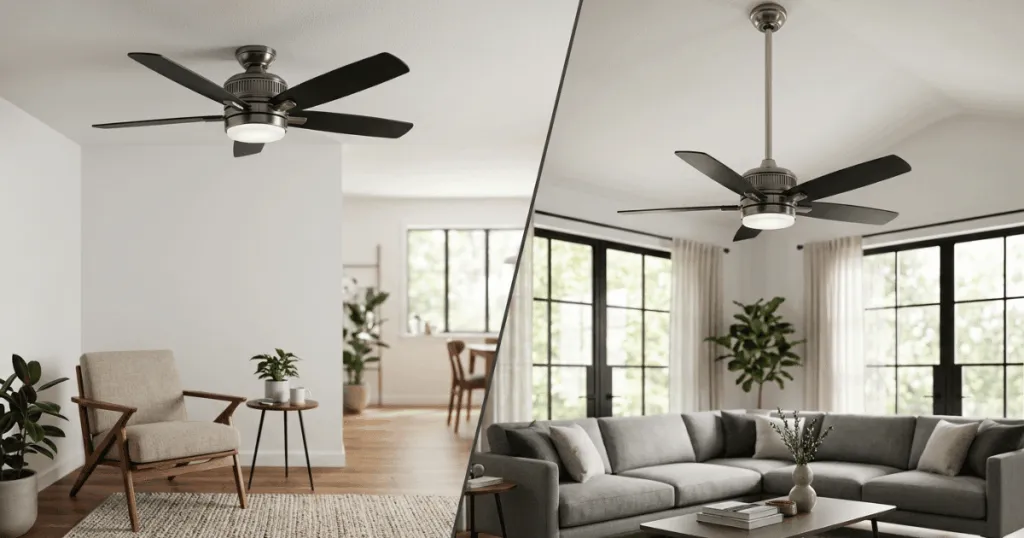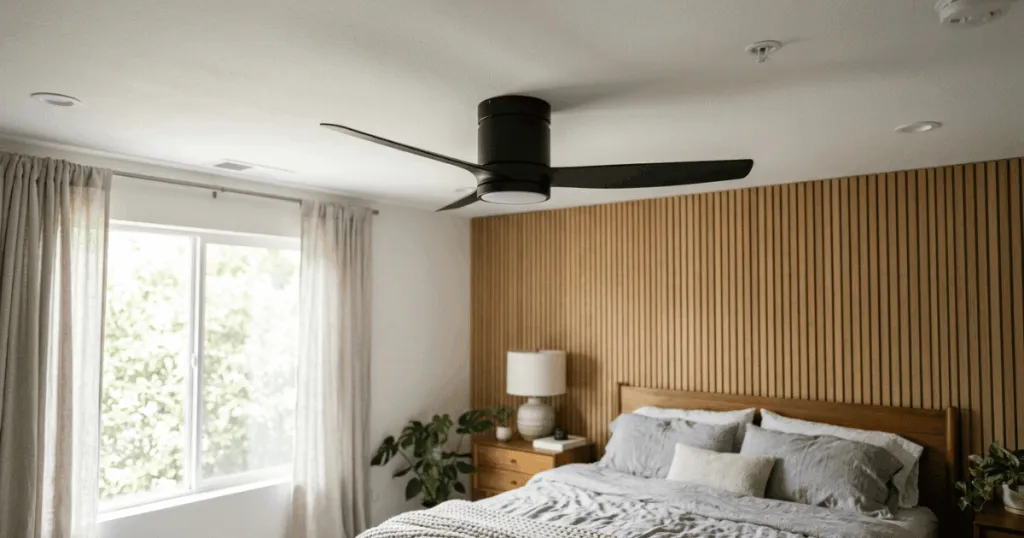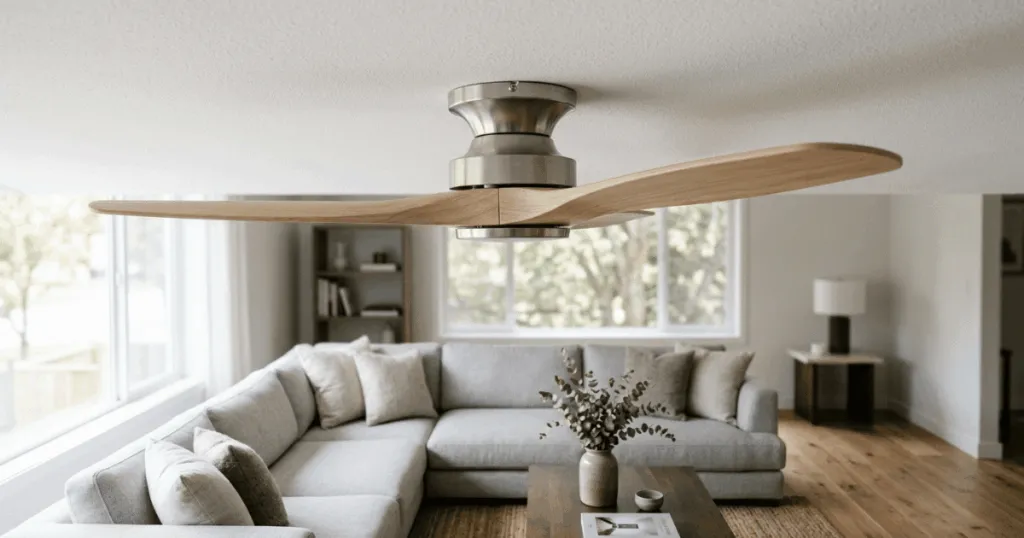
Downrod mount ceiling fans are the standard choice for rooms with high or vaulted ceilings, designed to suspend the fan motor at an ideal distance from the floor. By extending the fan away from the ceiling, these mounts ensure the blades operate in the optimal airflow zone, preventing the air from being trapped against the ceiling surface. Choosing the correct length is the most critical step in this process, as it directly influences both the cooling performance and the overall aesthetic balance of the room.
For many homeowners, the decision to use a downrod comes down to simple physics: a fan that sits too close to the ceiling in a high-volume space will struggle to circulate air effectively. By bringing the fan down to a functional height, you maximize the cooling potential of the motor and blades. This setup is not just about utility; it is about creating a comfortable environment that feels proportional to the architecture of your home.
Why Downrod Mount Ceiling Fans Are Essential
The primary purpose of a downrod is to position the fan blades at the manufacturer’s recommended height, which is typically between 8 and 10 feet above the floor. When a ceiling is higher than 9 feet, a standard flush-mount fan often fails to move air effectively because the blades are too far away from the living area. A downrod bridges this gap, ensuring that the air column created by the blades reaches the occupants of the room.
Maximizing Airflow Efficiency
Airflow efficiency is the most significant factor when selecting a mounting system. If a fan is mounted too close to a high ceiling, the blades create a vacuum effect that limits air circulation. Conversely, if the fan is too low, it can create an uncomfortable breeze or feel visually overwhelming. The downrod allows you to fine-tune the distance, ensuring the blades are positioned where they can push air downward effectively without obstruction.
Structural Stability and Safety
Beyond performance, downrod mounts offer superior stability for larger or heavier fan models. The rigid connection provided by a metal downrod ensures that the fan remains steady even when operating at high speeds. This is particularly important for fans with longer blade spans, which can experience more torque. A properly installed downrod, secured with the correct mounting bracket, minimizes wobble and reduces the mechanical stress on the ceiling junction box.
Handling Vaulted and Sloped Ceilings
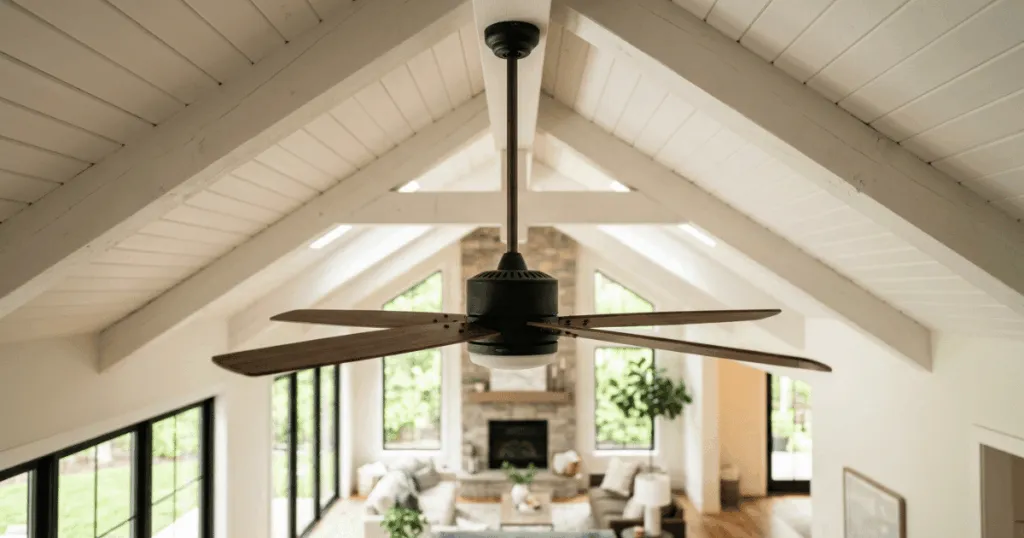
Many modern homes feature architectural details like vaulted or sloped ceilings. Standard mounting kits are rarely sufficient for these angles. Downrod mount ceiling fans are designed to work with sloped ceiling adapters, which allow the downrod to hang perfectly vertical regardless of the ceiling pitch. This ensures the fan remains balanced and quiet, preventing the motor from straining against an uneven mounting angle.
Real-World Context and Installation Factors
In practice, selecting the right downrod involves measuring your ceiling height and subtracting the height of the fan motor and the desired clearance. Most manufacturers provide a chart that correlates total ceiling height with the appropriate downrod length. A common mistake is failing to account for the thickness of the mounting canopy or the height of the fan housing itself, which can lead to a fan that sits slightly higher or lower than intended.
Measuring for Your Space
To determine the correct length, start by measuring from the floor to the ceiling. If you have an 11-foot ceiling, you generally want the blades to sit roughly 9 feet off the ground. Subtract the height of the fan unit (from the top of the motor housing to the bottom of the blade) from that 2-foot difference. The remaining measurement is your ideal downrod length. If your result is 18 inches, you would select an 18-inch downrod accessory.
The Importance of Clearance
Safety regulations and manufacturer guidelines almost always mandate at least 7 feet of clearance between the floor and the fan blades. In rooms with 8-foot ceilings, this makes a downrod impractical, as it would bring the blades too close to head height. However, for ceilings 10 feet or higher, the downrod becomes a necessary tool to maintain that 7-foot safety buffer while still providing effective air movement. Always prioritize this clearance, especially in high-traffic areas like living rooms or kitchens.
Why Proper Mounting Matters for Longevity
The longevity of your ceiling fan is closely tied to how well it is mounted. A fan that is improperly installed—such as using a downrod that is too long for the ceiling box’s load capacity—can lead to premature wear on the motor bearings. When a fan is correctly balanced and suspended at the right height, the motor operates with less resistance, which reduces heat buildup and extends the life of the internal components.
Furthermore, the visual impact of a well-proportioned fan cannot be overstated. A fan that hangs too high in a large room looks like an afterthought, while one that hangs too low can feel intrusive. By using the correct downrod, you integrate the appliance into the room’s design, making it look like a deliberate architectural choice rather than a temporary fix. This balance of form and function is what separates a well-planned home interior from one that feels disjointed.
Common Misconceptions About Downrods
One frequent misconception is that all downrods are interchangeable between brands. While many downrods use a standard 3/4-inch diameter, the threading and the pin-locking mechanisms can vary significantly between manufacturers. Always use the downrod specifically designed for your fan model to ensure a secure fit. Trying to force a third-party rod into a proprietary housing can lead to safety risks and void your warranty.
Another misunderstanding is that longer downrods always result in better cooling. While a downrod is necessary for high ceilings, there is a point of diminishing returns. Once the blades are at the optimal distance from the floor, adding more length does not increase cooling; it only increases the potential for vibration and makes the fan look awkward. Stick to the manufacturer’s recommended range to achieve the best balance of performance and stability.
Advanced Considerations for Large Spaces
When dealing with expansive rooms, such as great rooms or open-concept floor plans, the choice of a downrod mount becomes even more critical. In these environments, air stratification is a common issue where warm air gathers near the peak of the ceiling. A properly sized downrod allows the fan to reach into the warmer air pocket and circulate it back down to the living level, which is particularly useful during winter months when the fan is set to reverse mode.
The weight of the fan also plays a role in the selection of the mounting hardware. Heavy-duty fans, often found in industrial or large residential spaces, require thicker-gauge downrods to prevent bending or fatigue over time. Always check the manufacturer’s specifications regarding the maximum weight capacity of the downrod you are considering. If you are installing a light kit, remember to add that weight to your total calculation, as the added mass can increase the torque on the mounting assembly.
Troubleshooting and Maintenance
Even with a perfect installation, maintenance is key to keeping your downrod mount ceiling fan operating smoothly. Periodically check the set screws at the top and bottom of the downrod. These screws are responsible for preventing the rod from rotating or slipping within the motor housing and the canopy. Over time, the natural vibration of the fan can cause these screws to loosen slightly, which is a common cause of minor clicking or wobbling sounds.
If you notice excessive movement, do not immediately assume the downrod is the culprit. First, ensure the mounting bracket is securely fastened to the ceiling junction box. If the junction box itself is loose or not rated for the weight of a ceiling fan, no amount of downrod adjustment will fix the wobble. Always ensure your electrical box is a fan-rated box, which is designed to handle both the weight and the dynamic forces generated by a rotating fan.
Aesthetic Integration and Room Design
Beyond the technical requirements, the downrod serves as a visual bridge between the ceiling and the fan. In modern, minimalist homes, a sleek, matching downrod can make the fan appear as if it is floating in space. In more traditional or rustic settings, you might choose a downrod with a decorative finish that complements the fan housing. Consider the color and texture of your ceiling; a downrod that matches the ceiling color can help the fan blend into the background, whereas a contrasting finish can turn the fan into a focal point of the room.
Ultimately, the goal is to achieve a sense of visual harmony. A room with a 14-foot ceiling and a 6-inch downrod will look unbalanced, as the fan will appear to be clinging to the ceiling. By opting for a 36-inch or 48-inch downrod, you bring the fan into the room’s living space, creating a more cohesive look that respects the scale of the architecture. Always evaluate your room’s proportions before finalizing your downrod length, as this choice will define the fan’s presence in your home for years to come.
FAQ
Can I use a universal downrod for my ceiling fan?
While many downrods share a standard 3/4-inch diameter, the connection points, threading, and locking pins often vary by manufacturer. It is strongly recommended to use the downrod provided or recommended by the fan’s manufacturer to ensure structural integrity and safety.
How much clearance do I need between the floor and the ceiling fan blades?
For safety and effective airflow, industry standards and most manufacturers recommend a minimum of 7 feet of clearance between the floor and the fan blades. In rooms with very high ceilings, you may choose to increase this distance to 8 or 9 feet for better aesthetics and performance.
Do I need a special kit for vaulted ceilings?
Yes, if you are installing a downrod mount ceiling fan on a sloped or vaulted ceiling, you typically need a sloped ceiling adapter. This component allows the downrod to hang vertically, ensuring the fan remains balanced and operates without wobble.