The Short Answer: Ceiling fans and air conditioning are complementary, not interchangeable. Air conditioning is required to lower ambient temperature and control humidity, while ceiling fans provide a wind-chill effect that makes you feel cooler without changing the room’s temperature. The most efficient home comfort strategy involves using both: running the AC to manage the climate and using ceiling fans to circulate that air, allowing you to set your thermostat higher and save on energy costs.
The biggest misconception in home climate control is that ceiling fans and air conditioning systems perform the same task. In reality, they serve entirely different functions: one cools the air, while the other moves it. If you are trying to decide between Ceiling Fans vs Air Conditioning, the correct choice depends on whether you need to lower the actual temperature of your indoor environment or simply improve your personal comfort through the wind-chill effect. For most homeowners, the most effective strategy is not choosing one over the other, but learning how to use them in tandem to optimize energy efficiency and thermal regulation.
Air conditioning is a mechanical process that removes heat and humidity from the air, physically lowering the ambient temperature of a room. A ceiling fan, by contrast, does not change the temperature of the air at all. Instead, it creates a breeze that helps evaporate moisture from your skin, which makes you feel cooler. Understanding this fundamental difference is the key to managing your home comfort without over-relying on expensive cooling systems.
Comparison of Cooling Methods
| Feature | Ceiling Fans | Air Conditioning |
|---|---|---|
| Primary Function | Air circulation/Wind chill | Heat and humidity removal |
| Temperature Impact | None | Lowers ambient temperature |
| Energy Usage | Very low | High |
| Best For | Personal comfort, air movement | Extreme heat, humidity control |
| Installation | Ceiling mount | Central or ductless units |
Understanding Ceiling Fan Functionality
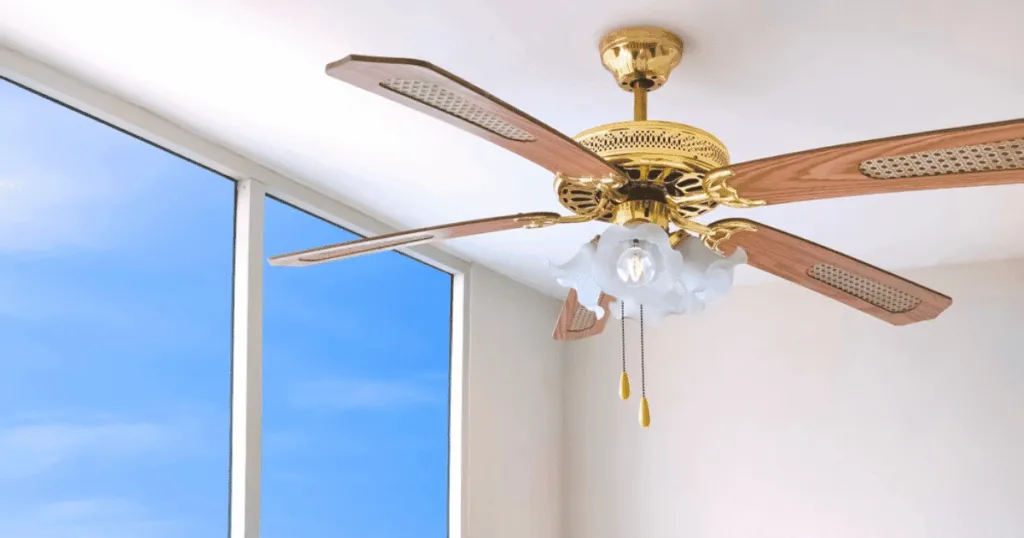
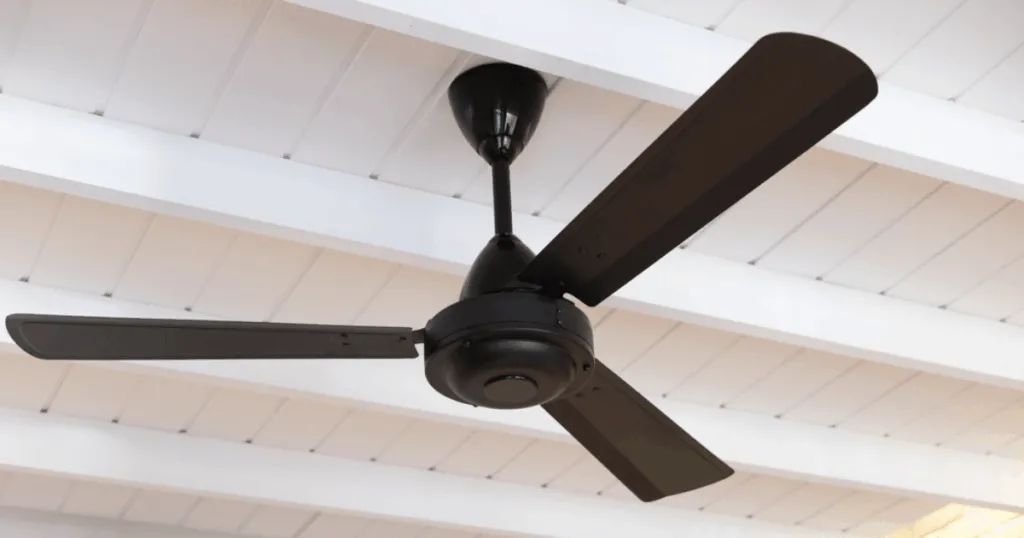
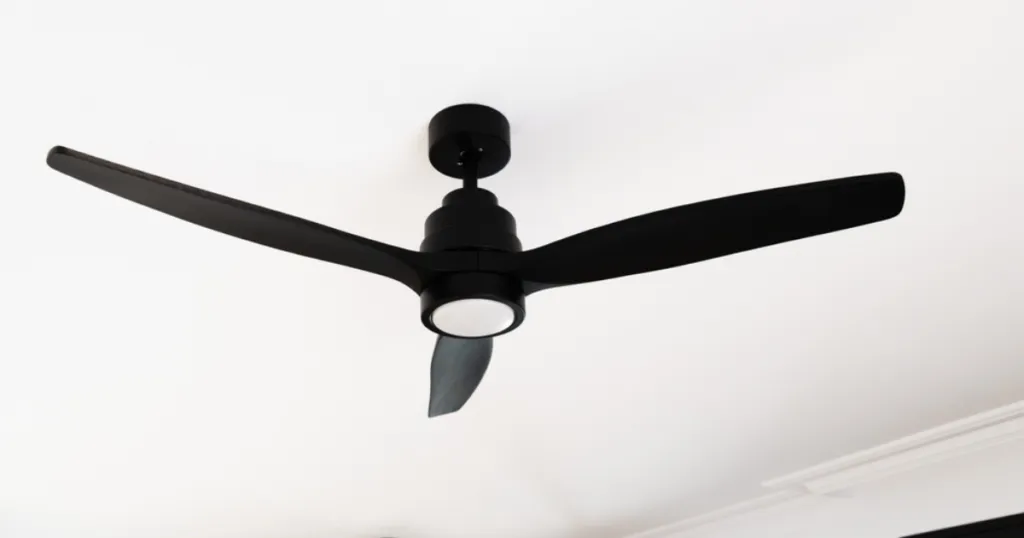
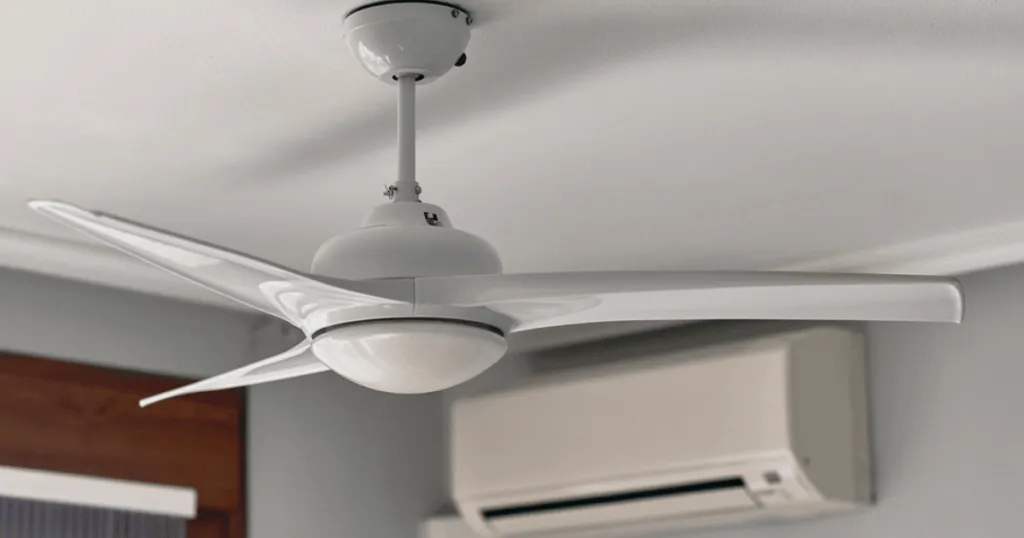
Ceiling fans are primarily tools for air movement. By circulating air, they create a wind-chill effect that can make a room feel several degrees cooler than it actually is. This is highly effective in moderate climates or during shoulder seasons when the temperature is not extreme but the air feels stagnant.
When selecting a ceiling fan, consider the blade span and motor efficiency. A fan that is too small for a large room will fail to create the necessary airflow to provide a noticeable cooling sensation. Conversely, a fan that is too large can create an overwhelming draft. The goal is to achieve consistent air movement that reaches the occupants of the room without causing discomfort.
Noise sensitivity is another factor to consider. High-quality fans with DC motors are generally quieter and more energy-efficient than older AC motor models. If you plan to use your fan in a bedroom or home office, prioritize models with high-performance, low-decibel ratings to ensure that the airflow does not become a distraction.
Understanding Air Conditioning Functionality
Air conditioning systems are complex mechanical units designed to extract heat from the interior of a home and exhaust it outside. Beyond just cooling, these systems are essential for moisture control. In humid climates, high indoor humidity can make a room feel oppressive even if the temperature is relatively low. Air conditioning removes this excess moisture, creating a drier, more comfortable environment.
Central air conditioning provides uniform cooling throughout the home, which is ideal for multi-room layouts. However, it requires a significant amount of electricity and periodic maintenance, such as filter changes and duct cleaning, to operate at peak efficiency. For homes without existing ductwork, ductless mini-split systems offer a targeted alternative, allowing for room-specific climate control without the need for extensive renovations.
The primary limitation of air conditioning is its energy consumption. Running an AC unit at a low set point during peak heat hours can lead to substantial utility costs. Because of this, many homeowners use air conditioning as a baseline for temperature control while relying on other methods to maintain comfort during milder periods.
Feature-by-Feature Differences
The differences between these two systems go beyond simple cooling. When comparing Ceiling Fans vs Air Conditioning, you must look at how they impact your daily living environment, maintenance requirements, and long-term costs.
Energy efficiency is the most significant differentiator. A ceiling fan consumes a fraction of the power required to run an air conditioner. By using a fan to create a breeze, you can often raise your air conditioner’s thermostat setting by several degrees without sacrificing comfort. This combined approach is a common professional recommendation for reducing energy consumption during hot months.
Maintenance needs also differ greatly. Ceiling fans are relatively low-maintenance, requiring only occasional cleaning of the blades and perhaps a check of the mounting hardware to ensure stability. Air conditioning systems require professional servicing, refrigerant checks, and consistent filter replacements to prevent mechanical failure and ensure healthy indoor air quality.
Installation complexity is another major factor. Installing a ceiling fan is a manageable DIY project for many homeowners, provided there is a junction box rated for fan support. Air conditioning installation, however, almost always requires professional HVAC technicians, especially when dealing with refrigerant lines, electrical circuits, and ductwork integration.
The Role of Airflow Dynamics in Home Comfort
Beyond the basic mechanics, understanding how air moves within a room is essential for optimizing your home environment. Ceiling fans utilize blade pitch and rotation speed to move air effectively. A higher blade pitch generally moves more air, which is beneficial for larger rooms with higher ceilings. When you pair this with the cooling effect of an AC unit, you are essentially distributing the conditioned air more evenly throughout the living space.
Without a fan, cold air from an AC vent tends to settle near the floor, leaving the upper levels of the room warmer. This phenomenon, known as thermal stratification, can cause your thermostat to trigger the AC more frequently than necessary. By running a ceiling fan, you break up these temperature layers, creating a more uniform climate and preventing the AC from overworking.
Climate-Specific Decision Criteria
Your geographic location plays a massive role in how you should prioritize these systems. In arid, desert-like climates, the combination of a ceiling fan and an evaporative cooler or a standard AC unit can be incredibly effective because the air is naturally dry. The breeze from the fan provides immediate relief, while the cooling system keeps the ambient temperature manageable.
In contrast, coastal or humid regions require a more aggressive approach to moisture removal. In these areas, a ceiling fan alone can sometimes be counterproductive if the humidity is extremely high, as it simply moves humid air around. In these specific environments, the air conditioning system must take the lead in dehumidification, while the ceiling fan serves as a secondary tool to distribute that dry, cool air effectively.
Practical Considerations for Installation and Maintenance
When planning your home cooling strategy, consider the structural requirements of each system. Ceiling fans require a secure mounting point, typically a fan-rated junction box, to handle the weight and vibration of the motor. If your home lacks ceiling wiring, the cost of adding a fan increases significantly. However, compared to the cost of installing ductwork for a central AC system, a ceiling fan remains a highly accessible upgrade for most homeowners.
Maintenance for ceiling fans is largely preventative. Dust accumulation on blades can cause the fan to wobble, which puts stress on the motor and mounting hardware. Regular cleaning and occasional tightening of screws are usually all that is required to keep a fan running smoothly for years. Air conditioning, conversely, is a system that demands professional attention. Ignoring maintenance like coil cleaning or refrigerant level checks can lead to a total system failure during the hottest days of the year, which is the worst possible time for an outage.
Best Use Cases for Each System
Choosing between these systems depends on your specific environment. Ceiling fans are best suited for living rooms, bedrooms, and covered patios where people spend extended periods. They are excellent for creating a comfortable environment in mild weather or supplementing air conditioning during peak heat.
Air conditioning is the superior choice for high-heat, high-humidity regions. If your goal is to maintain a specific temperature regardless of the outside weather, or if you have specific needs related to indoor air quality and humidity management, air conditioning is non-negotiable. It is also the only effective solution for cooling a home during heat waves where the ambient temperature exceeds human comfort levels.
For the best results, use them together. During the hottest parts of the day, run your air conditioning at a moderate temperature and use ceiling fans to circulate that cooled air. This allows the AC to work less while the fans ensure the air reaches everyone in the room, maximizing the effectiveness of both systems.
Which One Should You Choose?
If you are deciding between Ceiling Fans vs Air Conditioning, start by evaluating your climate. If you live in a region with long, intense summers, you need air conditioning as your primary cooling source. A ceiling fan in this scenario acts as a supporting player, helping you stay comfortable while keeping your energy bills in check.
If you live in a temperate climate with short summers, you might find that a high-quality ceiling fan is sufficient for most of the year. In these cases, air conditioning might only be necessary for a few weeks of extreme heat. A ceiling fan is a permanent, cost-effective addition to your home that provides year-round benefits, including heat destratification in the winter.
The biggest mistake homeowners make is assuming they must choose one or the other. In reality, the most comfortable homes use both. If you have a limited budget, prioritize the installation of a ceiling fan in the rooms where you spend the most time. If you are building or renovating, plan for both systems to work in tandem. This integrated approach provides the best balance of immediate comfort, long-term energy savings, and flexibility for changing seasonal needs.
FAQ
Can a ceiling fan replace air conditioning?
No. A ceiling fan only moves air; it does not lower the temperature or remove humidity. In extreme heat, a fan alone cannot prevent heat-related discomfort or health risks.
Does running a ceiling fan while the AC is on save money?
Yes. By creating a wind-chill effect, a fan allows you to set your thermostat a few degrees higher than you otherwise would, which significantly reduces the workload on your air conditioning system.
Are there situations where I should turn off my ceiling fan?
Yes. Since fans cool people, not rooms, you should turn them off when you leave a room. Leaving a fan running in an empty room provides no cooling benefit and wastes electricity.
How does a ceiling fan help with heating?
During winter, you can reverse the direction of your ceiling fan to push warm air trapped at the ceiling back down into the living space, a process known as heat destratification.