Key Takeaway: Yes, but they do not cool the air. They save energy by creating a wind-chill effect that allows you to raise your thermostat setting, reducing the workload on your HVAC system.
When homeowners ask, “Do ceiling fans really save energy?” the answer is rarely a simple yes or no. The truth is that ceiling fans do not actually lower the temperature of a room; they change how your body perceives that temperature. By creating a wind-chill effect, they allow you to feel comfortable at a higher thermostat setting, which is where the potential for actual energy savings resides.
Understanding this distinction is critical for managing household energy use. If you expect a ceiling fan to act as a replacement for an air conditioning system, you will likely be disappointed. However, when used strategically as a supplement to your HVAC system, they can play a significant role in reducing your reliance on energy-intensive cooling, provided you understand the mechanics of airflow and human comfort.
How Ceiling Fans Influence Energy Consumption
The primary mechanism behind the energy-saving claim is the wind-chill effect. As air moves across your skin, it accelerates the evaporation of perspiration, which is your body’s natural cooling process. This process makes you feel several degrees cooler than the ambient air temperature, even though the room remains physically at the same temperature.
Because you feel cooler, you can set your thermostat higher during the summer months without sacrificing comfort. For every degree you raise your thermostat, you can typically reduce your cooling costs by a small percentage. By using a ceiling fan to maintain comfort at a higher setting, you effectively lower the workload on your air conditioning unit, leading to measurable energy savings over time.
The Role of Airflow and Blade Pitch
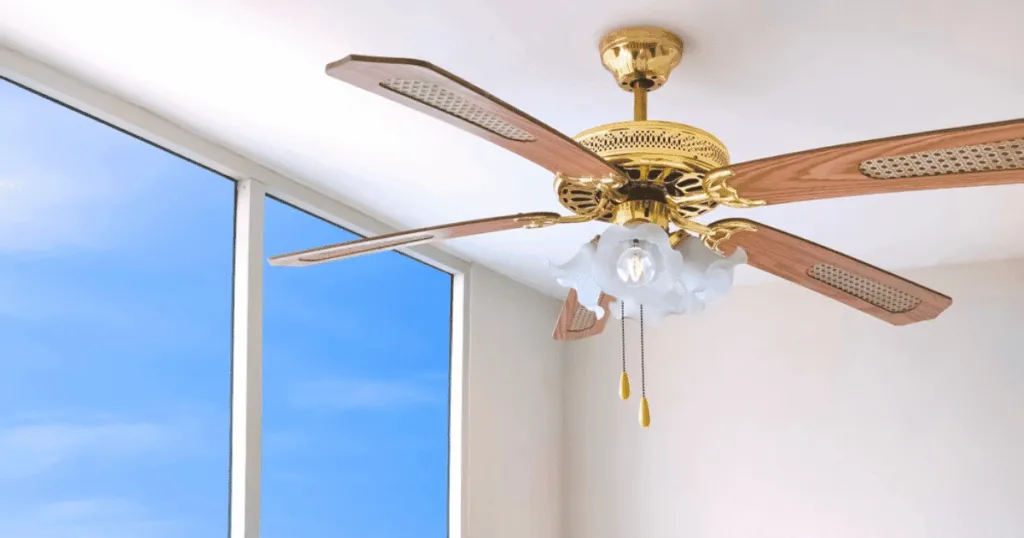
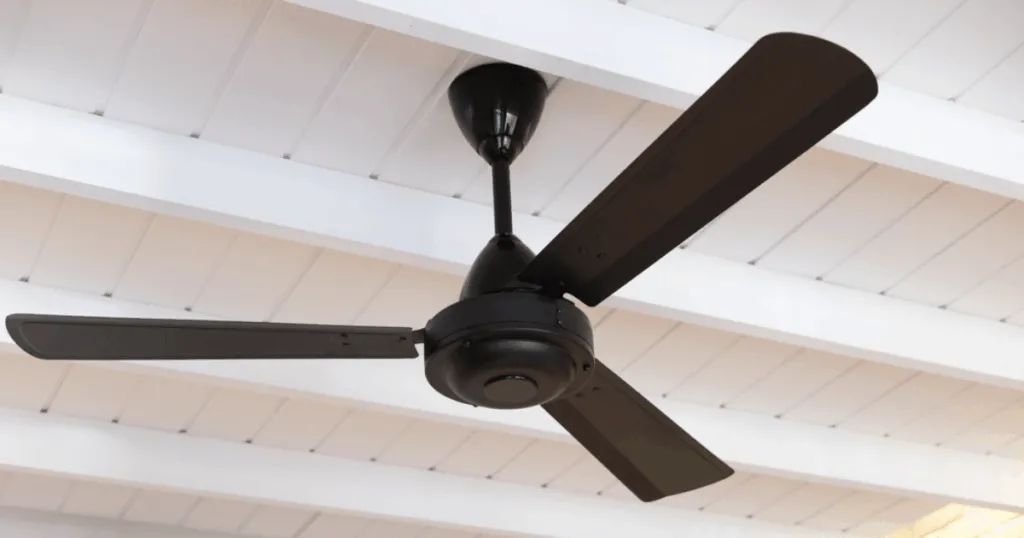
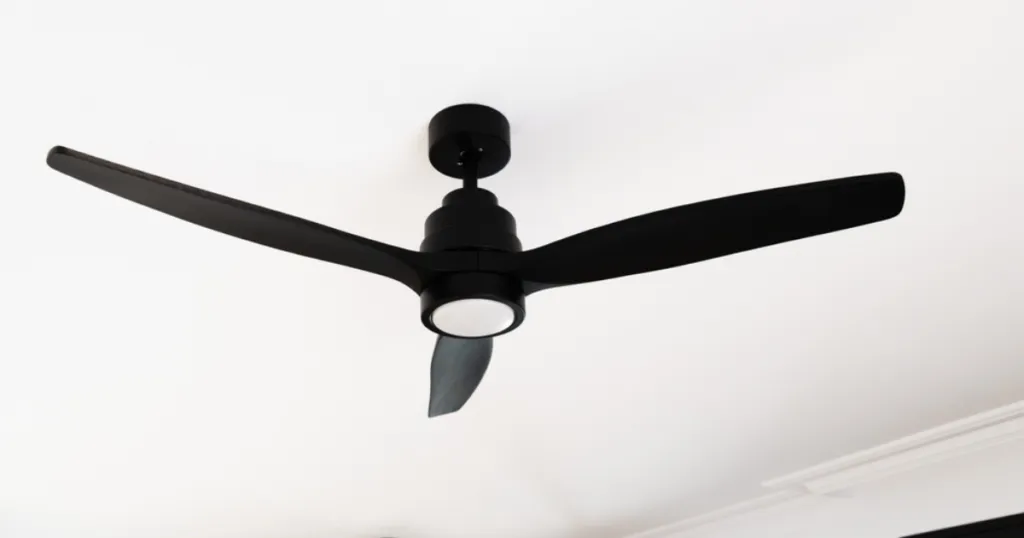
Not all fans move air with the same efficiency. The ability of a fan to create this cooling breeze depends heavily on blade pitch, motor quality, and the overall design of the fan. A fan with a steep blade pitch is generally more effective at moving larger volumes of air, which is essential for creating the necessary breeze to justify raising your thermostat.
If a fan is installed too high or too low, or if the blades are poorly shaped, the airflow may be insufficient to provide that cooling sensation. In these cases, the fan consumes electricity to run its motor without providing the comfort benefit that would allow you to adjust your thermostat, resulting in a net loss of efficiency.
Seasonal Reversibility
Many homeowners overlook the importance of the directional switch on their ceiling fans. In the summer, the blades should rotate counter-clockwise to push air downward, creating that direct breeze. During the winter, reversing the fan to a clockwise, low-speed rotation can help circulate warm air that has collected near the ceiling back down into the living space.
This winter function is often cited as an energy-saving feature, though its impact is more subtle than the summer cooling effect. By redistributing heat, you may be able to lower your thermostat setting slightly during colder months, provided the fan is not spinning fast enough to create a cooling breeze, which would be counterproductive.
Evidence Strength and Practical Limitations
The claim that ceiling fans save energy is well-supported by physics, but it is often overstated in marketing materials. The evidence is strongest when the fan is used as a replacement for air conditioning load, rather than as an additional appliance running in an already cooled room. If you leave a fan running in an empty room, you are wasting electricity with no benefit to your comfort or energy bill.
One major limitation is humidity. The wind-chill effect relies on evaporation, which works best in lower-humidity environments. In high-humidity climates, the air is already saturated with moisture, making it harder for sweat to evaporate from your skin. In these conditions, the cooling effect of a ceiling fan is significantly diminished, meaning you may not be able to raise your thermostat as much as you would in a drier climate.
Another factor is the energy consumption of the fan itself. Modern DC motor fans are significantly more energy-efficient than older AC motor models. If you are using an older, inefficient fan that draws a high wattage, the electricity it consumes might offset the savings you gain from adjusting your thermostat. It is essential to balance the cost of running the fan against the reduction in HVAC runtime.
Who Benefits Most from Ceiling Fan Use
Homeowners in moderate climates benefit the most from the energy-saving potential of ceiling fans. In regions where temperatures are warm but not consistently extreme, the ability to use a fan instead of turning on the air conditioning for several hours a day can lead to significant reductions in energy usage. These users can often maintain comfort throughout the shoulder seasons without engaging their HVAC system at all.
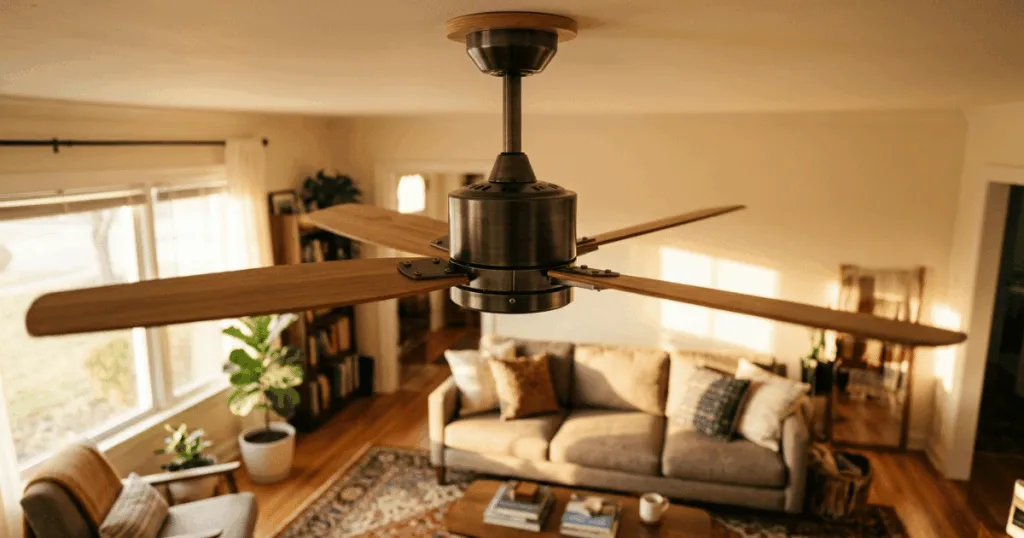
Those who are sensitive to noise or who prefer a specific aesthetic may find that the benefit is not worth the trade-off. However, for those looking to manage their home environment more actively, the fan is a powerful tool. It is particularly effective in large, open-concept living areas where air conditioning might struggle to maintain a uniform temperature, allowing for localized comfort where the occupants are actually sitting.
The benefit is also highly dependent on user behavior. The most effective strategy is to treat the fan like a light switch: turn it on when you enter the room and off when you leave. If you rely on the fan to keep a room comfortable while you are away, you are simply adding an extra electrical load to your home without any cooling benefit, which is a common mistake that negates any potential savings.
Common Misconceptions About Fan Efficiency
A frequent misconception is that ceiling fans cool the air itself. It is important to reiterate that fans do not lower the temperature of a room; they only move air. If you walk into a room that is 85 degrees, the fan will not make it 75 degrees. It will simply make the 85-degree air feel more tolerable by moving it across your skin.
Another common error is assuming that all fans are equally efficient. The size of the fan relative to the room size matters significantly. A small fan in a large room will not provide enough airflow to create a meaningful breeze, meaning you will not be able to raise your thermostat. Conversely, an oversized fan might create an uncomfortable, gusty environment that makes it difficult to focus or relax, even if it is technically moving a lot of air.
Finally, many people believe that running a fan at its highest speed is always the best way to save energy. In reality, the energy consumption of a fan increases significantly at higher speeds. Often, a medium setting provides enough airflow to achieve the desired cooling effect while using considerably less electricity than the highest setting. Finding the “sweet spot” for your specific room and comfort level is the key to maximizing the efficiency of your ceiling fan.
Optimizing Your Home Environment for Maximum Efficiency
To truly leverage ceiling fans for energy savings, one must view them as part of a holistic home climate control strategy. This involves more than just flipping a switch; it requires an understanding of how air moves through a space. For instance, in rooms with vaulted or high ceilings, the distance between the fan blades and the occupants can significantly impact the effectiveness of the airflow. Using a downrod of the appropriate length ensures that the air is pushed into the living zone rather than circulating uselessly near the ceiling.
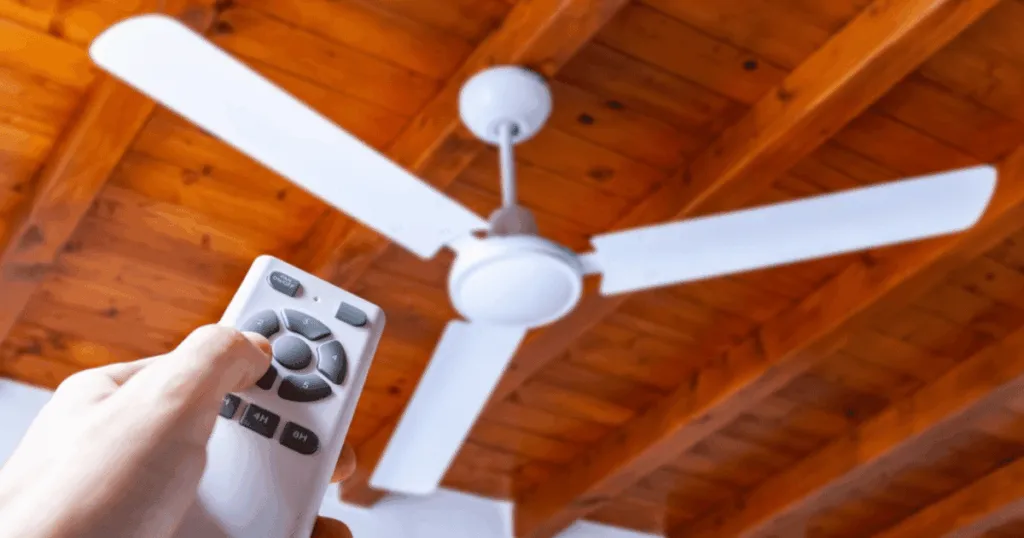
Furthermore, the integration of smart home technology has changed the landscape of fan usage. Many modern fans now feature integrated sensors or timers that prevent them from running in unoccupied rooms. By automating the operation of the fan, you remove the human error factor, ensuring that energy is only consumed when there is a tangible benefit to the occupants. This is a significant upgrade over traditional wall-mounted switches, which are often forgotten.
Another often overlooked aspect is the maintenance of the fan itself. Dust accumulation on the leading edge of the blades can disrupt the aerodynamic profile of the fan, leading to increased drag and decreased airflow efficiency. Regularly cleaning your fan blades not only keeps the motor running smoothly but also ensures that the fan is moving the maximum amount of air for the least amount of electricity. This simple maintenance task is a low-effort way to maintain the energy-saving potential of your investment.
Ultimately, the goal is to create a synergy between your HVAC system and your ceiling fans. By using the fan to handle the “comfort” aspect of the room, you allow the air conditioner to focus on the “temperature” aspect. This division of labor is the most effective way to lower your monthly utility bills while maintaining a comfortable living environment throughout the year.
FAQ
Do ceiling fans save energy if the air conditioner is off?
Yes, they can. By creating a breeze, they provide comfort at higher ambient temperatures, potentially allowing you to avoid turning on the air conditioner entirely during mild weather.
Does leaving a ceiling fan on in an empty room save energy?
No. Because fans cool people, not rooms, leaving one on in an empty space wastes electricity without providing any cooling benefit.
How much can I raise my thermostat when using a ceiling fan?
Many experts suggest that you can raise your thermostat by about 4 degrees Fahrenheit while maintaining the same level of comfort when a ceiling fan is used effectively.
Are DC motor fans more energy-efficient than AC fans?
Yes, DC motor ceiling fans typically consume significantly less electricity than traditional AC motor fans, making them a better choice for long-term energy savings.