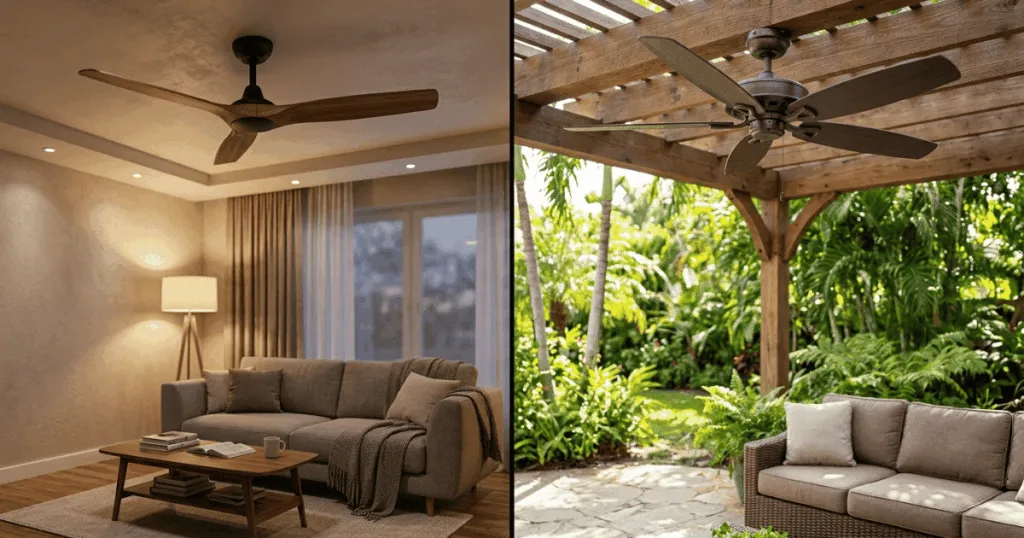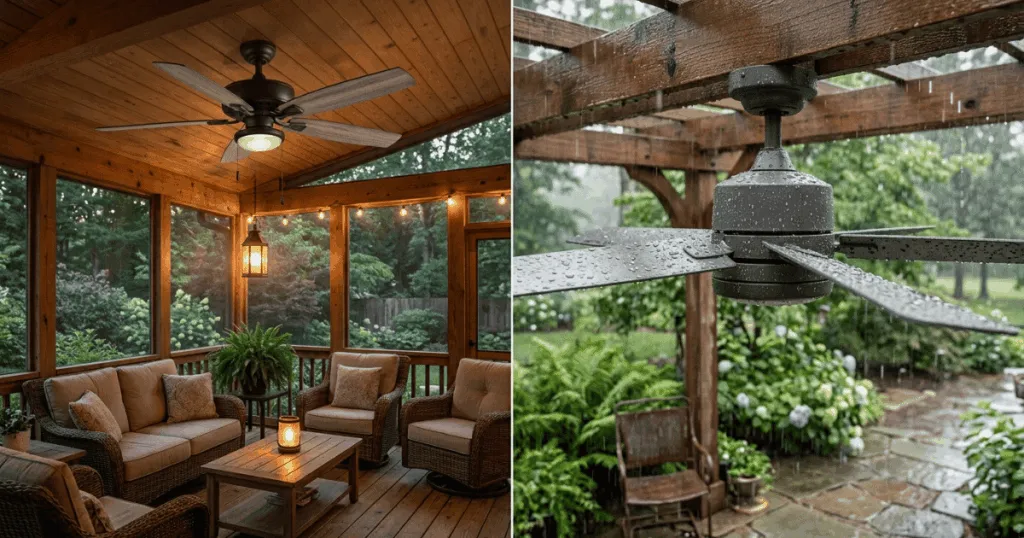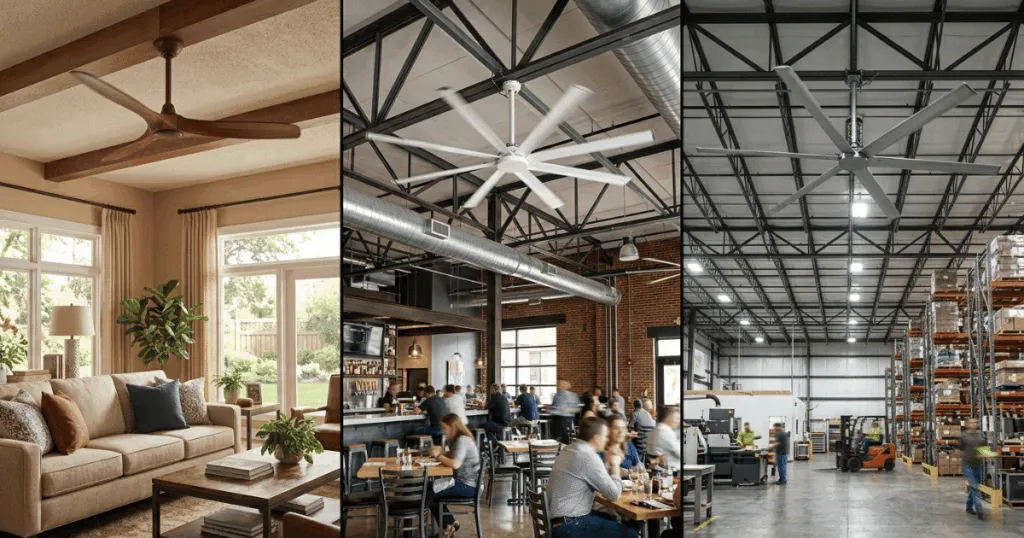
Key Takeaway: Most modern, well-maintained ceiling fans are designed to run continuously for days, weeks, or even longer without issue. Because they are built to handle constant rotation, the primary constraints are not the motor’s ability to spin, but rather the accumulation of dust, the quality of the motor components, and the necessity of energy conservation.
Many homeowners rely on ceiling fans as a primary tool for maintaining indoor comfort, especially during sweltering summer months or when trying to improve air circulation in stagnant rooms. A common question that arises is how long can a ceiling fan run continuously without risking damage to the motor or creating a fire hazard. The short answer is that most modern, well-maintained ceiling fans are engineered to run indefinitely, often staying on for days or even weeks at a time without issue.
However, understanding the mechanics behind this endurance helps you make better decisions about when to keep them spinning and when to give them a rest. While the hardware is generally robust, the way you manage your fans can influence their lifespan, energy consumption, and overall performance in your living space. This guide explores the technical realities of motor duty cycles, the impact of environmental factors, and the best practices for maintaining your home’s air circulation systems.
Factors Influencing Continuous Fan Operation
The primary factor determining how long a ceiling fan can run continuously is the quality and design of the motor. High-quality fans, particularly those featuring heavy-duty copper windings and sealed bearings, are built to withstand constant rotation. These components are designed to dissipate heat efficiently, which is the main enemy of any electric motor.
In contrast, budget-tier fans with smaller, lighter motors may struggle with heat buildup if left on high settings for extended periods. When a motor works harder than it was designed to, internal temperatures rise, which can degrade the insulation on the wiring over time. This doesn’t mean the fan will fail immediately, but it does accelerate wear and tear on the internal components. Understanding the difference between AC and DC motor ceiling fans is essential here; DC motors are inherently more efficient and run at lower temperatures, making them superior for long-term, continuous operation.
The Role of Maintenance and Dust Accumulation
Dust is a silent factor in motor longevity. When dust accumulates on the blades, it creates drag, forcing the motor to work harder to maintain the same speed. Over time, this extra strain adds up, especially if the fan is running 24/7. Regularly cleaning your blades not only keeps the air quality better but also ensures the motor operates within its intended design parameters. A clean fan blade is aerodynamically efficient, meaning the motor doesn’t have to fight against uneven weight distribution or surface friction.
Lubrication is another critical aspect for older fan models. While most modern fans are permanently lubricated and sealed at the factory, some vintage or heavy-duty industrial-style fans require periodic oiling. If the bearings are dry, the motor experiences increased friction, leading to excess heat and potential failure during long-term operation. If you hear a grinding noise, it is a sign that the bearings are failing, and the fan should be serviced or replaced rather than left to run.
Electrical Stability and Motor Protection
Your home’s electrical system also plays a part in how long a fan can run. Ceiling fans are sensitive to voltage fluctuations. If your home experiences frequent power surges or brownouts, the electronics inside the fan—especially those with integrated LED light kits or remote control receivers—may be at risk. Using a high-quality wall control or ensuring the fan is properly wired can help mitigate these risks during continuous use. A stable electrical load is vital for the longevity of the capacitor, which is the component responsible for starting and running the motor smoothly.
Real-World Context for Continuous Fan Use
In practice, most homeowners use ceiling fans to supplement air conditioning or heating systems. During the summer, running a fan in a room you are currently occupying creates a wind-chill effect that makes the space feel cooler, allowing you to raise your thermostat setting slightly. In this scenario, running the fan continuously while you are in the room is standard practice and perfectly safe. This synergy helps reduce the overall strain on your HVAC system, potentially extending the life of your central cooling unit.
However, there is little benefit to running a ceiling fan in an empty room. Fans cool people, not spaces. When you leave a room, the fan is merely consuming electricity and moving air around, which does not lower the temperature of the room itself. Turning the fan off when you exit the room is a simple habit that saves energy and extends the life of the motor without sacrificing comfort. If you are using the fan to circulate heat in the winter, the logic changes slightly, as you may want to keep the air moving to prevent stratification, but even then, it is rarely necessary to run it 24/7.
Noise Sensitivity and Wear Indicators
If you notice your fan becoming louder or developing a clicking sound after running for several days, this is a clear indicator that the motor or the mounting hardware needs attention. A well-functioning fan should be nearly silent, aside from the sound of moving air. If the fan starts to vibrate or rattle, it may be due to loose screws or a slight imbalance in the blades, which can put unnecessary stress on the motor housing during continuous operation.
Ignoring these signs can lead to premature failure. If you are someone who prefers to keep a fan on for white noise while sleeping, ensure the fan is properly balanced. A balanced fan operates with minimal resistance, which is the ideal state for long-term, continuous operation. Using a balancing kit to correct minor wobbles can significantly reduce the mechanical stress placed on the ceiling bracket and the motor shaft.
Why Consistent Operation Matters
Understanding the limits of your equipment helps you avoid unnecessary anxiety about electrical safety. Many people worry that a fan left on for a weekend will cause a fire, but in a properly installed unit, the risk of fire is extremely low. Most fans are equipped with internal thermal fuses that will cut power to the motor if it overheats, acting as a critical safety fail-safe. This component is designed to protect your home by breaking the circuit before the motor housing reaches dangerous temperatures.
From an energy perspective, ceiling fans are remarkably efficient. A typical fan uses about as much electricity as a standard light bulb. Keeping a fan on for an extra few hours is rarely a significant drain on your utility bill. The real value lies in using the fan strategically to manage your home’s climate. By using the fan to circulate air effectively, you can reduce the load on your HVAC system, which is a much larger energy consumer. This is a key aspect of energy-efficient ceiling fans; they provide comfort at a fraction of the cost of mechanical cooling.
Prioritizing Safety and Efficiency
The most important takeaway is that while the fan can technically run forever, it should be used purposefully. Prioritize safety by ensuring your fan is securely mounted to a rated junction box. A fan that is not properly supported can develop wobbles that eventually loosen the electrical connections, creating a potential hazard regardless of how long the fan is running. Always check that the downrod or flush mount is tight and that the canopy is flush against the ceiling.
If you are planning to be away from home for an extended period, such as a vacation, there is no practical reason to leave your ceiling fans running. Turning them off is the best practice for both energy conservation and peace of mind. For daily use, however, you can rest assured that your fan is built to handle the demands of your household comfort needs. If you find that your fan runs hot to the touch, this is often a sign of poor airflow or an aging motor that may need professional inspection.
Common Misconceptions About Fan Longevity
A frequent myth is that ceiling fans will “burn out” if they aren’t turned off periodically. In reality, the stress of starting and stopping a motor—the initial surge of current—is often more taxing on the electrical components than the steady state of continuous operation. You do not need to turn a fan off just to give it a break. The startup phase requires a momentary spike in current to overcome inertia, which can cause minor wear on the start capacitor over many years.
Another misconception is that all fans are created equal regarding continuous use. While a high-end residential fan can run for years, a very inexpensive, lightweight fan may have a shorter lifespan due to cheaper materials. If you find yourself needing a fan to run 24/7, such as in a nursery or a home office, investing in a model with a high-quality, brushless DC motor is a wise choice. These motors run cooler, quieter, and more efficiently than traditional AC motors, making them the gold standard for continuous, long-term operation. When evaluating your needs, consider the motor warranty as a proxy for the manufacturer’s confidence in the unit’s ability to handle long-term, continuous duty cycles.
FAQ
Does leaving a ceiling fan on for 24 hours a day cause a fire hazard?
No, a properly installed and maintained ceiling fan is not a fire hazard when left on for 24 hours. Most modern fans include thermal overload protection that shuts the motor off if it reaches unsafe temperatures.
Is it better to leave a fan on or turn it off when I leave the room?
You should turn the fan off when leaving the room. Ceiling fans cool people through the wind-chill effect, not by lowering the room’s temperature. Leaving it on in an empty room wastes electricity.
Will frequent on-off switching damage my ceiling fan motor?
While modern motors are robust, the initial power surge during startup is the most demanding moment for a motor. However, this is negligible for standard residential use; you should prioritize turning the fan off when not in use to save energy rather than worrying about the motor’s startup cycle.