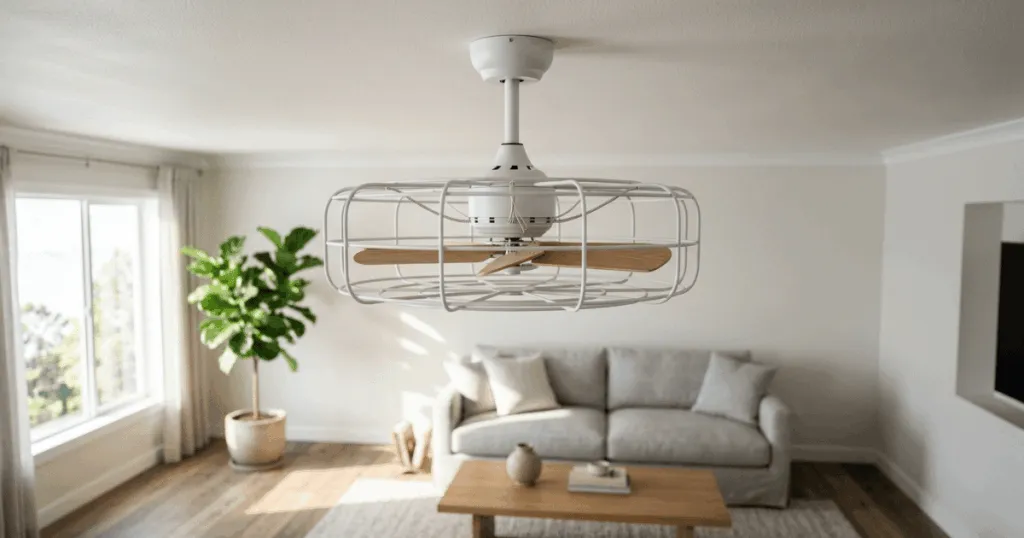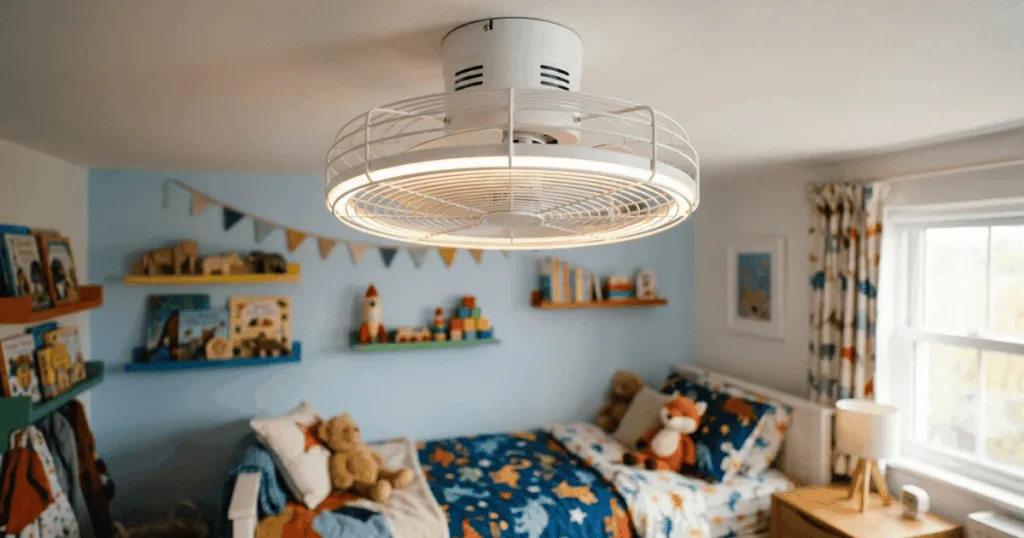
The Short Version: Bladeless ceiling fans do move air, but they function differently than traditional fans. They use air multiplication technology to create a focused, high-velocity stream of air rather than a wide, room-filling breeze. While they are effective for localized cooling in small areas, they generally struggle to circulate air in large rooms or high-ceilinged spaces, making them less efficient for whole-room ventilation compared to traditional blade-based fans.
When homeowners search for modern, minimalist cooling solutions, the concept of a bladeless ceiling fan often surfaces. The visual appeal of these units is undeniable, as they lack the traditional, rotating blades that define standard ceiling fan design. However, many prospective buyers are left wondering: do bladeless ceiling fans work as effectively as their traditional counterparts, or are they merely aesthetic statements?
In practice, the answer depends heavily on how you define “working.” These fans do move air, but they operate on entirely different aerodynamic principles than conventional models. Understanding these differences is essential before you commit to installing one in a primary living space, as the cooling experience they provide is fundamentally distinct from the high-volume circulation you might expect from a standard residential fan.
The decision to move away from traditional blades is often driven by a desire for a cleaner, less cluttered ceiling profile. However, before prioritizing aesthetics, it is vital to evaluate the physics of air movement. A fan that does not effectively move air in a room is essentially a static lighting fixture. By examining the trade-offs between air multiplication technology and traditional blade-driven circulation, you can determine if the specific cooling needs of your home align with the capabilities of these unique, blade-free designs.

The Mechanics of Bladeless Air Movement
To understand whether these fans function effectively, we must look at how they generate airflow. Unlike traditional fans that use large, angled blades to physically push air downward, bladeless designs typically rely on internal motors and specialized housing to create a concentrated stream of air. This is often referred to as air multiplication technology.
Inside the housing, an impeller or turbine draws air into the unit. This air is then accelerated through a narrow aperture or channel. As the air exits this channel, it creates a pressure differential that draws surrounding air into the stream, a process known as entrainment. This results in a focused, high-velocity jet of air rather than the wide-reaching, gentle breeze typical of a standard five-blade fan.
What this means in practice is that the air movement is highly directional. While a traditional fan creates a large cone of airflow that can cover a significant portion of a room, a bladeless unit is more akin to a directed stream. If you are standing directly in the path of this stream, you will feel a noticeable cooling effect. However, if you move slightly outside that narrow path, the sensation of moving air drops off significantly.
Factors Influencing Real-World Effectiveness
The effectiveness of any ceiling fan is measured by its ability to circulate air throughout a room, not just its ability to blow air at a single point. When evaluating if bladeless ceiling fans work for your specific needs, consider the following factors that dictate their performance in residential settings.
Airflow Volume and Velocity
Traditional ceiling fans are designed to move large volumes of air at relatively low speeds. This is the ideal way to create a consistent, comfortable breeze across a living room or bedroom. Bladeless fans, by contrast, prioritize velocity over volume. They are excellent at creating a localized “wind chill” effect, but they often struggle to move the total cubic feet of air per minute (CFM) required to effectively circulate air in a standard-sized room.
Room Size and Ceiling Height
In smaller, enclosed spaces, a bladeless fan might provide enough localized comfort to satisfy a user. However, in larger rooms with high ceilings, these units often fail to reach the floor with enough force to create a meaningful cooling effect. If you have a large master bedroom or an open-concept living area, a bladeless unit will likely leave large pockets of stagnant air, whereas a traditional fan with a larger blade span would successfully circulate the entire space.
Noise and Motor Efficiency
Because bladeless fans rely on high-speed internal motors to force air through narrow channels, they can sometimes produce a higher-pitched whine compared to the low-frequency hum of a well-balanced traditional fan. While modern engineering has improved this, noise sensitivity is a common concern. If you are looking for a fan for a quiet bedroom or a home office, the acoustic profile of a bladeless model is a critical factor to verify before installation.
Why This Matters for Your Home Comfort
Choosing a cooling solution is about matching the device to the room’s requirements. The primary reason this matters is that installing an ineffective fan can lead to long-term frustration. If you install a fan that looks modern but fails to move air effectively, you will eventually find yourself relying on your air conditioning system more often, which increases energy consumption and utility costs.
In most residential scenarios, the goal of a ceiling fan is to supplement air conditioning by creating a breeze that allows you to raise your thermostat setting by a few degrees without sacrificing comfort. A traditional fan excels here because it creates a broad, gentle circulation pattern. A bladeless fan, because of its narrow airflow path, may not provide the same level of whole-room relief. If your priority is maximizing comfort during hot summer months, the traditional blade design remains the industry standard for a reason.
Common Misconceptions About Bladeless Technology
One of the most frequent misunderstandings is that bladeless fans are “more powerful” because they use advanced technology. In reality, they are simply different. They are not inherently more efficient at moving air; they are just more efficient at directing it. Another common misconception is that they are safer for children because they lack exposed blades. While this is true, modern traditional fans are typically mounted high enough that blade contact is rarely an issue, making this safety benefit less relevant in most ceiling-mounted applications.
Finally, many people assume that bladeless fans are easier to clean. While they lack the large surface area of traditional blades, the internal channels and intake grilles can actually trap dust in ways that are difficult to reach. A traditional blade can be wiped down in seconds with a microfiber cloth, whereas a bladeless unit may require compressed air or specialized tools to keep the internal mechanisms free of debris, which can otherwise impede airflow over time.
Analyzing Airflow Dynamics in Modern Homes
When assessing whether bladeless ceiling fans work, it is helpful to consider the concept of room ventilation. A traditional fan uses its blade span to push air downward, creating a column that hits the floor and spreads outward. This movement is essential for destratification—the process of mixing air layers to prevent hot air from pooling at the ceiling. Bladeless fans, due to their reliance on entrainment, often fail to create this necessary displacement. Instead, they circulate the air immediately surrounding the unit, which can lead to a false sense of cooling while the rest of the room remains stagnant.
For DIY-minded readers, the installation process also presents a unique set of considerations. Because these units often house complex internal components, they can be heavier or require more specific mounting hardware than standard fans. Always ensure that the electrical box is rated for the weight of the unit. Furthermore, because the airflow is so directional, the placement of the fan relative to furniture is critical. If the fan is not centered over the area where you spend the most time, the cooling benefit will be virtually non-existent.
Maintenance and Long-Term Reliability
Maintenance is a frequently overlooked aspect of fan performance. Traditional fans are mechanically simple; they consist of a motor, a mounting system, and blades. If a part fails, it is often easily replaceable. Bladeless fans, however, are integrated electronic systems. If the internal impeller or the motor housing experiences a malfunction, the entire unit may require professional service or replacement. This lack of modularity is a significant trade-off for the aesthetic benefits they provide.
Furthermore, dust accumulation inside the intake grilles of a bladeless fan can significantly reduce its cooling efficiency over time. As the intake becomes clogged, the motor must work harder to pull air through the unit, which can lead to increased noise and higher energy consumption. Homeowners must be diligent about cleaning these intake areas to ensure the fan continues to function as intended. This is a recurring maintenance task that is often more involved than simply dusting traditional fan blades.
Making the Right Decision for Your Space
If you are drawn to the aesthetic of a bladeless ceiling fan, consider its placement carefully. These units work best in small, focused areas where you spend time in a stationary position, such as directly over a reading chair or a small home office desk. They are generally not recommended as the primary cooling solution for large living rooms or high-ceilinged spaces where broad, consistent air circulation is the priority.
Before you decide, look at the manufacturer’s specifications for CFM and coverage area. If the data is missing or vague, treat that as a warning sign. A high-quality fan manufacturer will always provide clear, measurable performance metrics. If you find yourself needing to choose between style and performance, prioritize the latter; a fan that does not move air is simply a decorative light fixture, regardless of how modern it looks.
Ultimately, the question of whether bladeless ceiling fans work is a matter of matching the technology to your specific environmental needs. If you prioritize a minimalist look and only require a gentle, localized breeze in a small room, these fans can be a functional choice. However, for those seeking robust air circulation, energy-efficient cooling for large spaces, and easy maintenance, the traditional ceiling fan remains the superior choice for home comfort.
FAQ
Are bladeless ceiling fans quieter than traditional fans?
Not necessarily. While they lack the sound of air hitting blades, the high-speed motors required to force air through narrow channels can produce a distinct, high-pitched noise that some users find more distracting than the low-frequency hum of a standard fan.
Do bladeless ceiling fans consume less electricity?
Energy efficiency depends on the motor type, such as DC versus AC, rather than the presence of blades. A well-designed traditional fan with a DC motor is often more energy-efficient at moving large volumes of air than a bladeless unit of equivalent cooling power.
Can a bladeless ceiling fan be used in a large room?
It is generally not recommended. Because bladeless fans produce a narrow, directional breeze, they struggle to circulate air in large rooms, often leaving corners and distant areas feeling stagnant compared to a traditional fan with a wider blade span.