When you install or maintain a ceiling fan, prioritizing structural integrity and electrical compliance is the most effective way to ensure long-term reliability. Ceiling fan safety tips center on three core pillars: mounting strength, electrical box compatibility, and blade clearance. Because these appliances are dynamic loads that create vibration and torque, they require more than standard light fixture hardware to operate safely over time.
Understanding the difference between a standard junction box and a fan-rated box is the single most important step for any homeowner. A fan-rated box is specifically engineered to handle the weight and rotational force of a motor, preventing the fan from loosening or detaching from the ceiling. By focusing on these foundational elements, you can avoid common hazards and enjoy consistent, quiet performance from your cooling equipment.
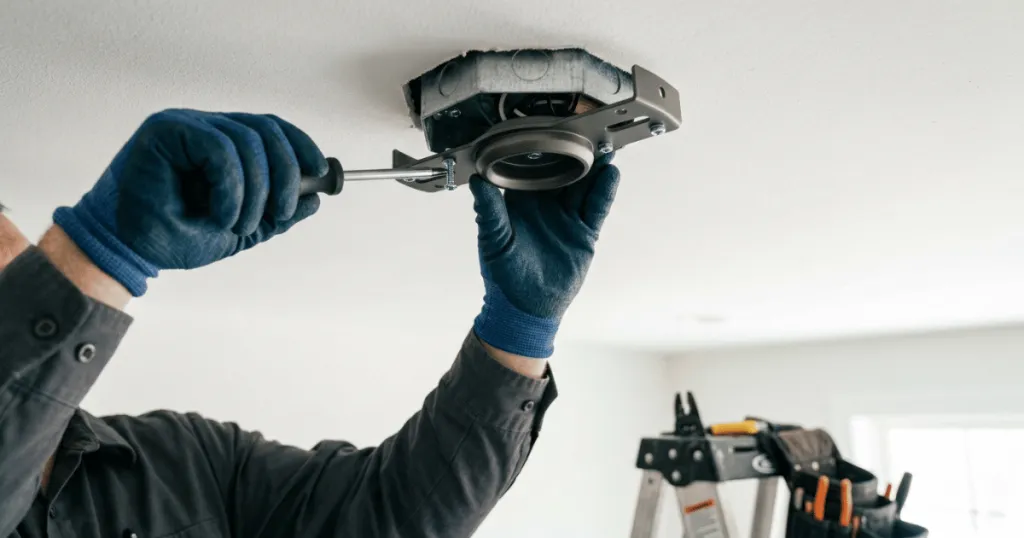
Structural Requirements and Mounting Integrity
The primary safety risk associated with ceiling fans is mechanical failure caused by improper mounting. A standard electrical box designed for a light fixture is rarely capable of supporting the weight and kinetic energy of a spinning fan. Even if the box feels secure during initial installation, the constant vibration can cause the mounting screws to back out or the box itself to fatigue over time.
The Importance of Fan-Rated Junction Boxes
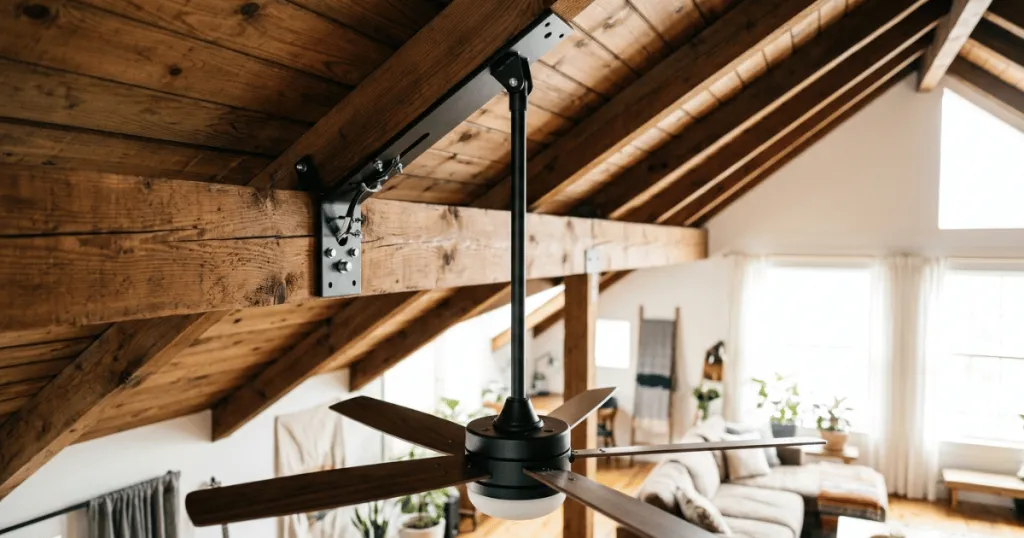
Always verify that your ceiling junction box is clearly marked as “fan-rated” or “for fan support.” These boxes are constructed with heavier-gauge metal and reinforced mounting points that tie directly into the ceiling joists. If you are installing a fan in a location that previously held a standard light, you must replace the existing box with a fan-rated version. This often requires access from above or the use of a specialized retrofit brace that expands between joists to provide a secure anchor point. Adhering to National Electrical Code (NEC) standards ensures that the load-bearing capacity of the ceiling is not compromised by the added weight of the motor and blades.
Ensuring Proper Blade Clearance
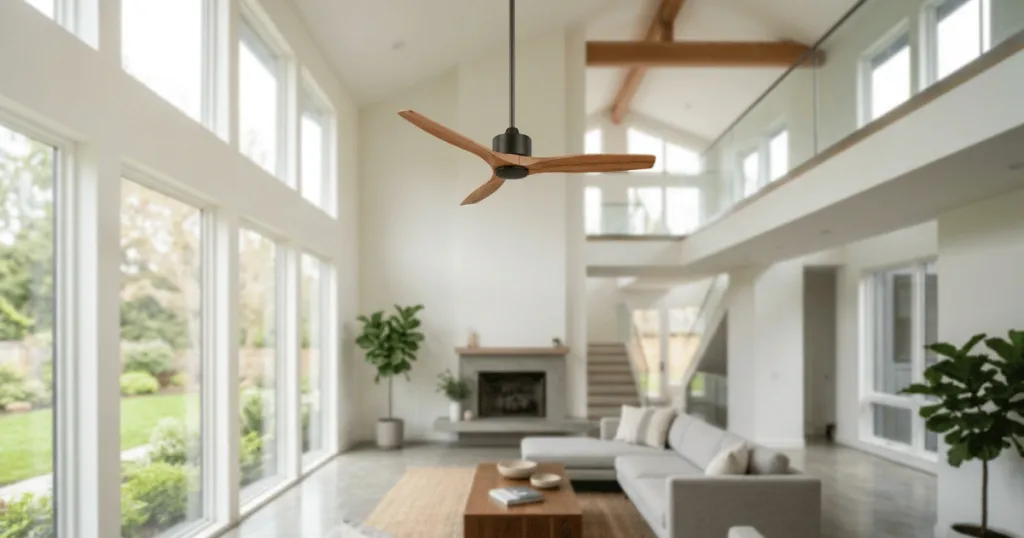
Safety also involves the physical space around the fan. Manufacturer guidelines typically mandate a minimum clearance of 18 inches from the blade tips to the nearest wall, and at least 7 feet of clearance from the floor to the bottom of the blades. These distances are not merely for airflow efficiency; they prevent accidental contact while the fan is in motion. In rooms with vaulted or sloped ceilings, use the appropriate downrod length to maintain these clearance standards, ensuring the fan remains stable and accessible. Failure to maintain this clearance can lead to hazardous conditions, especially in high-traffic areas or rooms with low ceilings where tall individuals or children might reach the blades.
Electrical and Mechanical Best Practices
Beyond the physical mount, the electrical connections and the mechanical balance of the fan are critical to operational safety. Improper wiring can lead to overheating, while an unbalanced fan creates excessive stress on the motor housing and the ceiling mount.
Wiring and Grounding Protocols
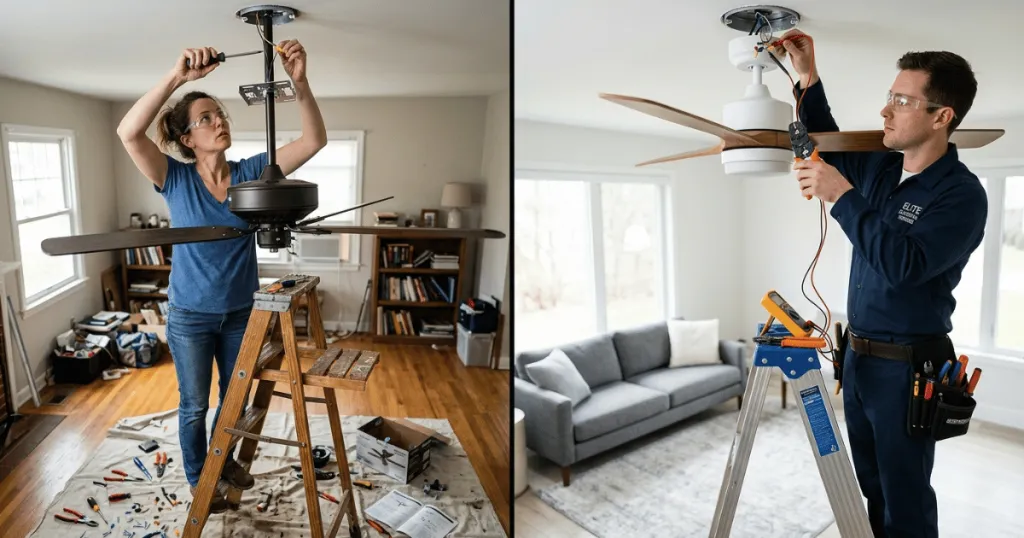
Every ceiling fan installation must include a proper ground connection. The green or bare copper wire must be securely attached to the grounding conductor in your home’s electrical system. If you are using a wall control or a remote receiver, ensure that all wire nuts are tightened correctly and that no exposed copper is visible outside the connectors. If you notice flickering lights or buzzing sounds after installation, these are often indicators of a loose electrical connection that requires immediate attention. Proper grounding is essential for appliance safety, protecting the home from electrical shorts that could lead to fire hazards or damage to the fan’s internal circuitry.
Managing Fan Balance and Wobble
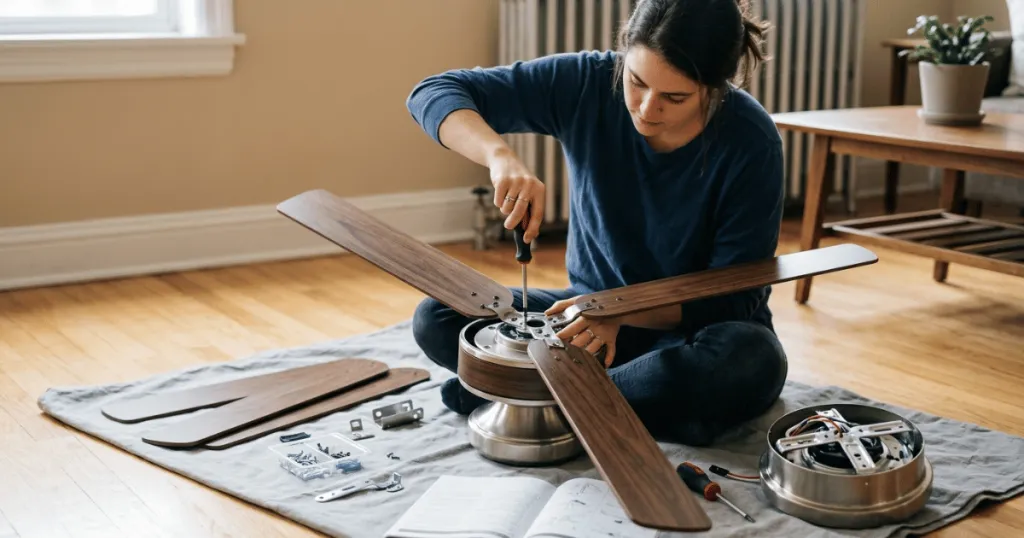
A wobbling fan is more than just an annoyance; it is a sign of mechanical stress. Wobble is usually caused by uneven blade weight, loose blade screws, or a mounting bracket that is not perfectly level. Regularly check that all blade screws are tight and that the blade holders are not bent. If a fan continues to wobble after verifying the hardware, use a balancing kit to redistribute the weight on the blades. Ignoring a persistent wobble can eventually damage the motor bearings and compromise the structural connection to the ceiling, leading to potential detachment.
Real-World Context for Homeowners
In a typical residential setting, safety concerns often arise during the transition from a standard light fixture to a ceiling fan. Homeowners often underestimate the torque generated by a high-speed motor. For instance, in a bedroom or living area, a fan might run for hours at a time, magnifying any minor installation errors. If your fan is installed on a drop ceiling or a suspended tile system, you must use a dedicated support structure that bypasses the tiles entirely to reach the structural joists above. Relying on ceiling tiles for support is a significant safety violation that can result in the fan pulling through the ceiling material.
Another common scenario involves older homes with knob-and-tube wiring or undersized electrical boxes. In these cases, the risk is not just the weight of the fan, but the integrity of the electrical circuit itself. If you are unsure about the age or capacity of your ceiling wiring, consulting a professional electrician is the safest path. They can verify if the existing circuit can handle the additional load of a fan motor, especially if you are adding a light kit to the unit. Electrical compliance is paramount when retrofitting older homes to meet modern safety standards.
Why Consistent Maintenance Matters
Ceiling fan safety is not a one-time event that ends at installation. Because fans are active, moving machines, they require periodic inspection to ensure they remain safe. Dust accumulation on the top of the blades can subtly shift the center of gravity, leading to increased vibration over time. Cleaning your fan blades at least twice a year helps maintain balance and prevents the motor from working harder than necessary. This form of preventative maintenance is vital for extending the lifespan of the motor bearings and ensuring the fan operates within its design parameters.
Furthermore, checking the mounting hardware annually is a proactive measure. Over time, the natural expansion and contraction of building materials due to temperature changes can cause fasteners to loosen slightly. A quick check of the canopy screws and the blade bracket bolts can prevent small issues from becoming safety hazards. By treating your fan as a mechanical appliance rather than a static piece of decor, you ensure a safer environment for everyone in the home. Always look for UL (Underwriters Laboratories) certification on your fan components, as this indicates the product has been tested to meet specific safety standards for residential use.
Common Misconceptions About Fan Safety
Many homeowners believe that if a fan is “hanging on,” it is safe. This is a dangerous assumption. A fan might be held in place by a standard box for months or even years before the mounting hardware finally fails, often under the stress of high-speed operation. Another frequent misconception is that all ceiling fans are compatible with any existing wall switch. In reality, using a standard dimmer switch on a fan motor can cause overheating, humming, and potential damage to the internal electronics. Always use controls specifically designed for ceiling fan motors to ensure safe, compatible operation.
Advanced Considerations for Long-Term Safety
As you evaluate the long-term safety of your ceiling fans, consider the environment in which they operate. Fans in humid environments, such as bathrooms or covered porches, are subject to corrosion. Even if a fan is rated for damp or wet locations, the moisture can eventually degrade the finish and the integrity of the mounting hardware. Regularly inspect these units for signs of rust or oxidation, as these can weaken the structural connection between the fan and the ceiling. If you notice significant corrosion, it may be time to replace the unit to avoid a catastrophic failure.
Additionally, pay attention to the age of the fan. Older fans, particularly those manufactured several decades ago, may lack modern safety features such as thermal overload protection in the motor. If a motor overheats due to a mechanical obstruction or electrical fault, modern units are designed to shut down automatically. Older models may continue to draw current, increasing the risk of fire. If you are unsure about the safety features of an aging fan, it is often prudent to upgrade to a newer model that complies with current safety standards.
Finally, always keep the original installation manual for your ceiling fan. These documents contain specific instructions regarding the torque settings for mounting bolts and the correct wiring configuration for your specific model. If you lose the manual, most manufacturers provide digital versions on their websites. Following the manufacturer’s specific guidance is the best way to ensure that you are not inadvertently bypassing safety protocols during maintenance or repairs.
FAQ
Can I install a ceiling fan on a standard light fixture junction box?
No. Standard light fixture boxes are not designed to support the weight and rotational torque of a ceiling fan. You must use a fan-rated junction box to ensure the safety and stability of the installation.
How do I know if my ceiling fan is properly balanced?
A properly balanced fan should run smoothly without visible shaking or audible clicking. If you notice a wobble, check that all blade screws are tight and that the blades are clean. If the issue persists, use a balancing kit to adjust the weight distribution.
Is it safe to use a standard light dimmer switch for a ceiling fan?
No, you should never use a standard dimmer switch for a ceiling fan. Doing so can cause the motor to hum, overheat, and potentially fail. Always use a speed control specifically designed for ceiling fan motors.