At a Glance: Yes. Standard junction boxes are designed only for the weight of light fixtures. Ceiling fans create dynamic loads, torque, and vibrations that will eventually loosen or break a standard box, creating a significant safety hazard.
Yes, you absolutely need a fan-rated electrical box if you are installing a ceiling fan. This is not merely a suggestion or a preference for high-end models; it is a fundamental safety requirement dictated by the physical demands a ceiling fan places on your home’s infrastructure. A standard junction box, typically designed for lightweight lighting fixtures, lacks the structural integrity to handle the constant motion and weight of a fan. Do You Need a Fan-Rated Electrical Box? The answer is always yes.
When you replace an existing light fixture with a ceiling fan, you cannot assume the existing box is suitable. Many older homes or even newer builds use standard boxes that are only rated for a few pounds. Installing a fan on such a box creates a significant risk of the fixture pulling loose from the ceiling, which can cause property damage or serious injury. Understanding the necessity of a fan-rated box is the most important step in any ceiling fan installation project.
The Engineering Behind Fan-Rated Boxes
The primary reason you need a fan-rated electrical box comes down to two factors: static weight and dynamic load. A standard electrical box is designed to hold the weight of a light fixture, which usually weighs between five and ten pounds. These boxes are often secured to a single joist with minimal hardware, as they do not need to resist anything other than gravity.
A ceiling fan, however, introduces dynamic load. Even a small, balanced fan creates constant vibration while it operates. Over time, these micro-vibrations can fatigue the mounting hardware of a standard box, causing it to loosen. If the box is not specifically engineered for this stress, the screws can pull through the plastic or metal housing, leading to a catastrophic failure where the fan detaches from the ceiling.
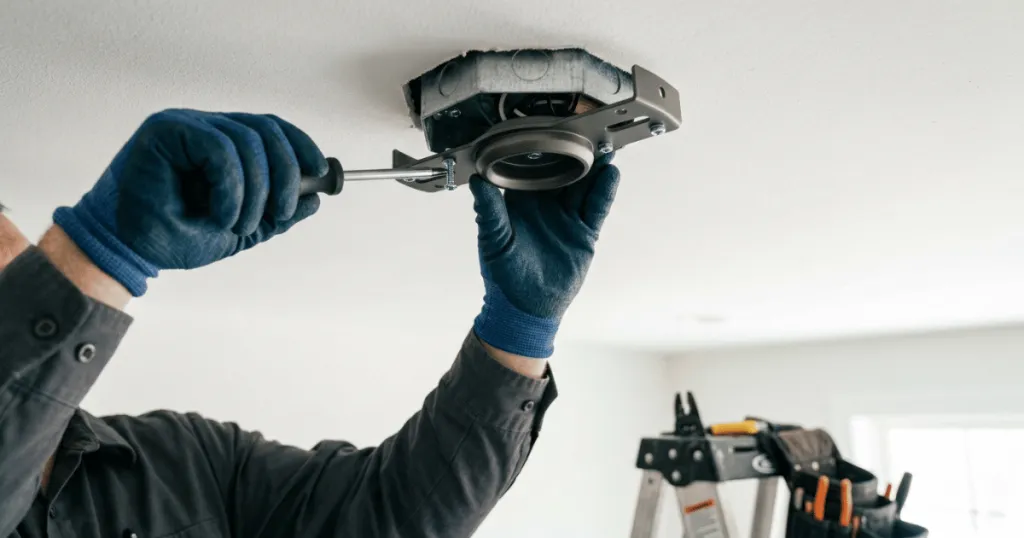
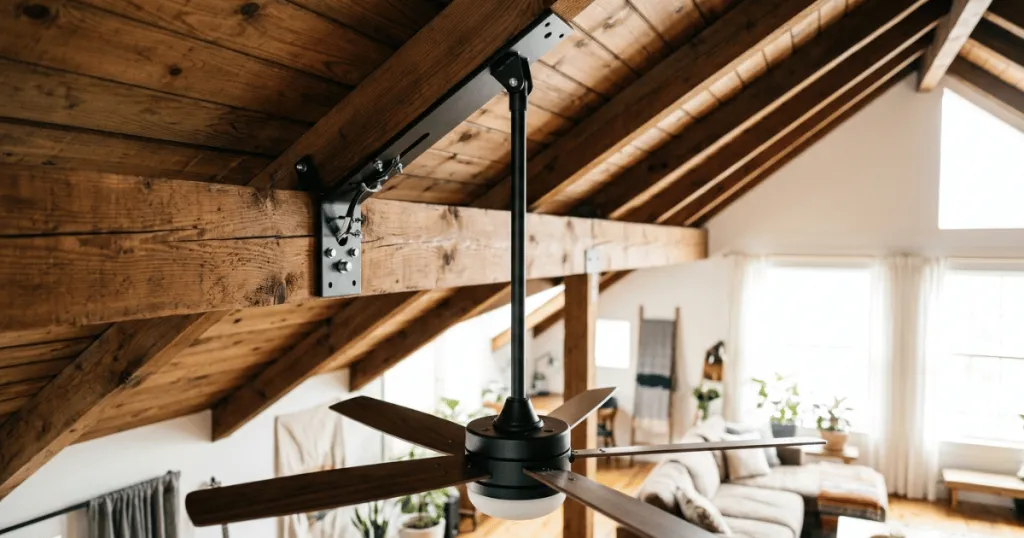
Fan-rated boxes are built with heavier-duty materials and, more importantly, they are designed to be anchored directly into the ceiling structure. Many are equipped with adjustable steel bars that span between two ceiling joists. This design distributes the weight of the fan across the structural framing of your home rather than relying on a single point of attachment that might be compromised by drywall or thin wood.
Identifying Your Current Box
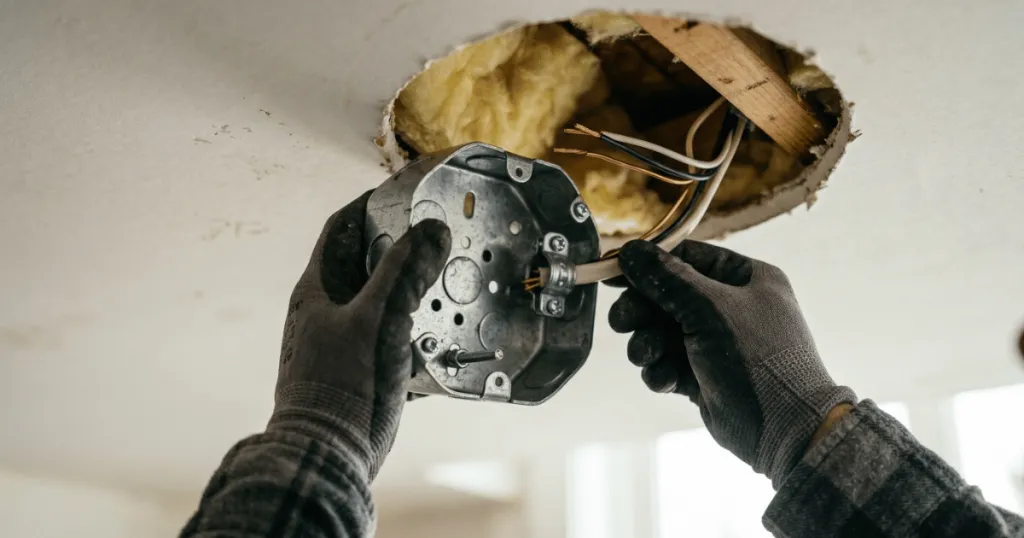
If you are looking at an existing box in your ceiling, you might wonder how to tell if it is already rated for a fan. The most reliable method is to look for a stamp or embossed text on the inside of the box. Manufacturers are required by safety standards to label boxes that are suitable for ceiling fans. You will typically see text such as “Acceptable for Fan Support” or a specific weight rating, such as “70 lbs max fan weight.”
If you cannot find any markings, you should assume the box is not fan-rated. It is a common mistake to assume that a metal box is automatically stronger than a plastic one. While metal is generally more durable, a metal junction box that is not specifically designed for fan support will fail just as easily as a plastic one under the stress of a spinning motor. Never rely on the material alone; look for the explicit rating.
Real-World Installation Context
In a typical residential renovation, the most common scenario involves replacing a chandelier or a flush-mount light with a ceiling fan. This is where most homeowners encounter the issue of the electrical box. You might unscrew the old light fixture only to find a small, round plastic box tucked behind the drywall. This box is almost certainly nailed to a single piece of wood, which is insufficient for the torque generated by a fan.
If you are working in a room with attic access, the installation process is significantly easier. You can climb into the attic, locate the joists above the ceiling, and install a fan-rated brace bar that allows you to mount the box securely between the joists. This provides a rock-solid foundation that will prevent any wobbling or noise during operation.
However, if you do not have attic access, you will likely need to use a “retrofit” fan-rated box. These are designed to be installed through the hole in the ceiling where the old box was located. They often feature an expanding metal bar that you insert through the hole and then tighten until it grips the joists from the inside. This is a clever engineering solution that avoids the need for extensive drywall repair, but it requires careful attention to the manufacturer’s installation instructions to ensure the bar is fully engaged with the joists.
Why This Matters for Home Safety
The importance of using a fan-rated box extends beyond the immediate risk of the fan falling. Improperly supported fans often develop a persistent wobble. While a slight wobble can sometimes be attributed to unbalanced blades, a wobble caused by a loose or undersized electrical box is a sign of structural instability. This movement can damage the ceiling drywall around the base of the fan, creating unsightly cracks and gaps that grow over time.
Furthermore, an improperly mounted fan can lead to electrical issues. If the box shifts or vibrates excessively, it can put strain on the wire connections inside the box. Over time, this movement can cause wire nuts to loosen or insulation to rub against sharp metal edges, potentially leading to short circuits or arcing. By using a fan-rated box, you ensure that the electrical connections remain undisturbed, which is essential for the long-term reliability of your home’s electrical system.
Ultimately, this is about peace of mind. A ceiling fan is a comfort appliance that should operate silently and reliably for years. When you take the time to install the correct box, you eliminate the “what if” scenarios that come with DIY projects. It is a one-time investment in hardware that ensures your ceiling fan remains a safe, functional part of your home environment.
Common Misconceptions
A frequent misconception is that if a fan is lightweight, it does not need a heavy-duty box. This is incorrect. Even a lightweight fan generates torque and vibration that can loosen standard mounting hardware. The rating on the box is not just about the static weight of the fan; it is about the dynamic forces involved in the rotation of the motor.
Another common error is believing that using extra-long screws to reach the joist through a standard box makes it safe. This is dangerous advice. A standard box is not designed to handle the shear force of a fan, and simply driving a screw through the back of the box does not create the necessary structural connection. You are essentially creating a weak point in the box that could crack under pressure. Always use a box specifically engineered for the purpose.
Compliance with Electrical Code and Standards
Adhering to the National Electrical Code (NEC) is not just about passing inspections; it is about ensuring your home remains a safe environment. The NEC explicitly mandates that ceiling fans must be supported by a box identified and listed for that specific purpose. This requirement exists because electrical inspectors recognize that the mechanical failure of a ceiling fan is a significant safety hazard. When you choose to ignore these standards, you are not only risking the integrity of your ceiling but also potentially voiding home insurance policies should an accident occur.
The distinction between a standard junction box and a fan-rated box often comes down to the mounting bracket and the gauge of the metal used. Fan-rated boxes are tested to withstand specific levels of force. When you purchase a fan-rated box, you are buying into a system that has been engineered to handle the specific torque and weight requirements of the fan you intend to install. This is a critical component of home maintenance that is often overlooked by those who view a ceiling fan as a simple light fixture upgrade.
Evaluating Ceiling Joist Compatibility
Before you even purchase a fan-rated box, you must evaluate the ceiling structure itself. Most fan-rated boxes are designed to be mounted to wooden joists. If your home has metal studs or a concrete ceiling, the installation requirements change significantly. In these cases, you may need specialized mounting hardware or professional assistance to ensure the fan is anchored properly. Never assume that a standard retrofit box will work in every ceiling type.
Furthermore, consider the orientation of your joists. If your desired fan location is parallel to the joists, you may need a different type of support bar than if you are mounting perpendicular to them. Understanding the layout of your ceiling framing is essential for a successful installation. If you are unsure about the location of your joists, using a stud finder is a necessary first step. Do not rely on guesswork when drilling into your ceiling; hitting a joist is critical for the structural integrity of the fan mount.
The Role of the Mounting Bracket
The mounting bracket is the interface between the fan and the electrical box. Even if you have a fan-rated box, the installation will fail if the bracket is not secured correctly. Always use the hardware provided by the fan manufacturer. Many DIYers make the mistake of reusing old screws or using generic hardware store screws that are not rated for the weight of the fan. The screws that come with your fan-rated box are specifically hardened to resist the shear forces generated by the fan’s motor. Using inferior hardware can lead to the bracket pulling away from the box, even if the box itself is perfectly installed.
Additionally, ensure that the mounting bracket is flush against the ceiling. Any gap between the bracket and the ceiling can lead to increased vibration and noise. If your ceiling is textured or uneven, you may need to use a ceiling medallion or ensure the bracket is tightened securely to compress the material. A stable, flush mount is the foundation of a quiet and wobble-free ceiling fan experience.
Long-Term Maintenance and Inspection
Once your fan is installed, your responsibility does not end there. Periodic inspection of the fan and its mounting hardware is a good practice. Over time, even the best-installed fans can experience minor loosening due to the natural expansion and contraction of the house materials. Once a year, it is advisable to check the mounting screws and ensure that the fan is still firmly attached to the box. If you notice any new wobbling or unusual noises, it is a sign that you should investigate the mounting hardware immediately.
By maintaining your ceiling fan properly, you extend the life of the motor and ensure that the electrical connections remain secure. A well-maintained fan is not only safer but also more efficient, providing consistent airflow without the annoyance of clicking or rattling sounds. Remember, the fan-rated box is the unsung hero of your ceiling fan installation; treat it with the same level of care you would any other critical component of your home’s infrastructure.
FAQ
Can I use a metal box instead of a fan-rated box?
Not necessarily. While metal boxes are durable, they must be specifically marked as fan-rated to be safe. A standard metal junction box is not designed to handle the vibration and torque of a ceiling fan.
How do I know if my box is fan-rated?
Look for a stamp or embossed label inside the box. It should explicitly state that it is suitable for fan support and provide a maximum weight rating. If you cannot find this label, assume the box is not rated for a fan.
What happens if I install a fan on a non-rated box?
The box may pull loose from the ceiling due to the constant vibration and weight of the fan. This can result in the fan falling, damage to your ceiling drywall, and potential electrical hazards from loose wiring connections.
Is it difficult to replace a standard box with a fan-rated one?
It depends on your ceiling access. If you have attic access, it is straightforward. If you do not, you can use a retrofit fan-rated box designed to be installed through the existing ceiling hole, though it requires careful adherence to the manufacturer’s instructions.