At a Glance: To fix a warped ceiling fan blade, first verify if the issue is a loose connection or a structural bend. Use a tape measure to check the alignment of each blade against the ceiling. If a blade is bent, gently adjust the metal blade iron in small increments. If the blade is structurally warped, it may require replacement. Always check for loose hardware and clean the blades to ensure weight balance before attempting adjustments.
When your ceiling fan begins to wobble or hum, the culprit is often a slight distortion in one or more of the fan blades. Learning how to fix ceiling fan blade warping can save you from the expense and hassle of replacing the entire unit. By carefully assessing the condition of your blades and applying the right corrective measures, you can restore smooth, silent operation to your fan and extend its lifespan significantly.
This process focuses on identifying the specific blade causing the imbalance and performing precise adjustments to bring the fan back into alignment. Whether the warping is caused by humidity, temperature fluctuations, or simple material fatigue, the following steps will guide you through the repair process safely and effectively. By the end of this guide, you will have a balanced fan that operates quietly and efficiently, ensuring your room remains comfortable without the distraction of mechanical noise.
Before You Start: Assessing the Damage
Before you climb a ladder, you must determine if the blades are truly warped or if the issue is merely a loose connection. A common mistake is assuming that any wobble indicates a bent blade, when in reality, a loose screw at the blade iron or the motor housing is often the true source of the problem. Start by turning off the power at the wall switch and, if possible, at the circuit breaker to ensure complete safety while you work.
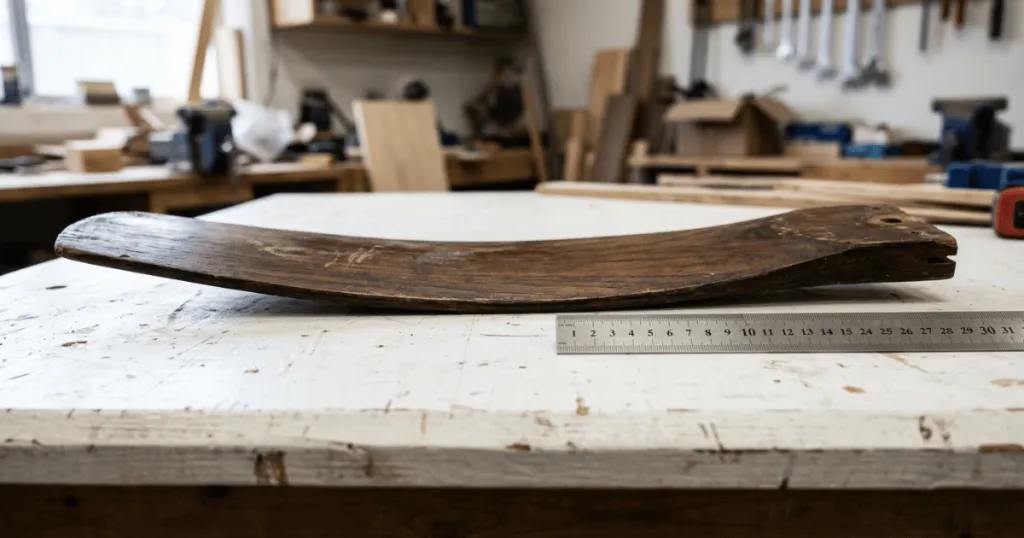
Examine the blade irons, which are the metal brackets connecting the blades to the motor. Over time, these can loosen or become slightly bent due to the constant torque of the motor. Use a screwdriver to ensure every screw is tightened firmly. If the blade itself appears wavy or twisted when viewed from the side, you are dealing with a structural deformation rather than a mechanical loose end.
Consider the material of your fan blades. Solid wood blades are susceptible to moisture absorption in humid environments, which leads to warping. MDF or composite blades, while more stable, can still lose their shape if they have been exposed to extreme heat or moisture over long periods. If the warping is severe, such as a deep crack or a significant twist that prevents the blade from spinning without hitting the housing, repair may not be possible. In such cases, replacing the set of blades is the only safe path forward to prevent motor strain.
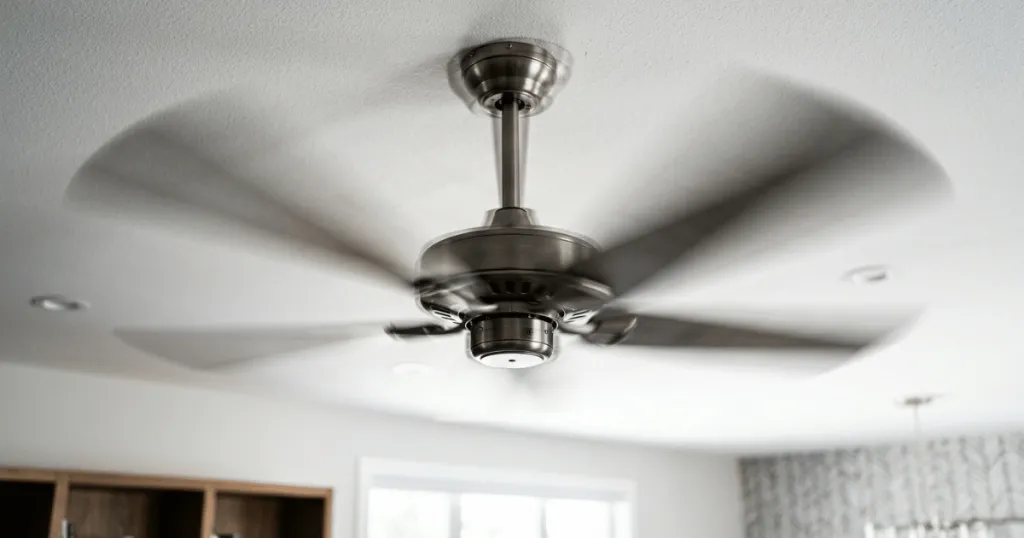
It is also helpful to observe the fan while it is running at the lowest speed. Watch the path of the blades from a safe distance. If you notice one blade tracking higher or lower than the others, note its position relative to the motor housing. This visual confirmation is the first step in narrowing down which specific blade is the source of the imbalance. Do not assume all blades are warped; often, only one blade has been compromised by a physical impact or environmental stress, and fixing that single point of failure is sufficient to restore balance.
Tools and Preparation
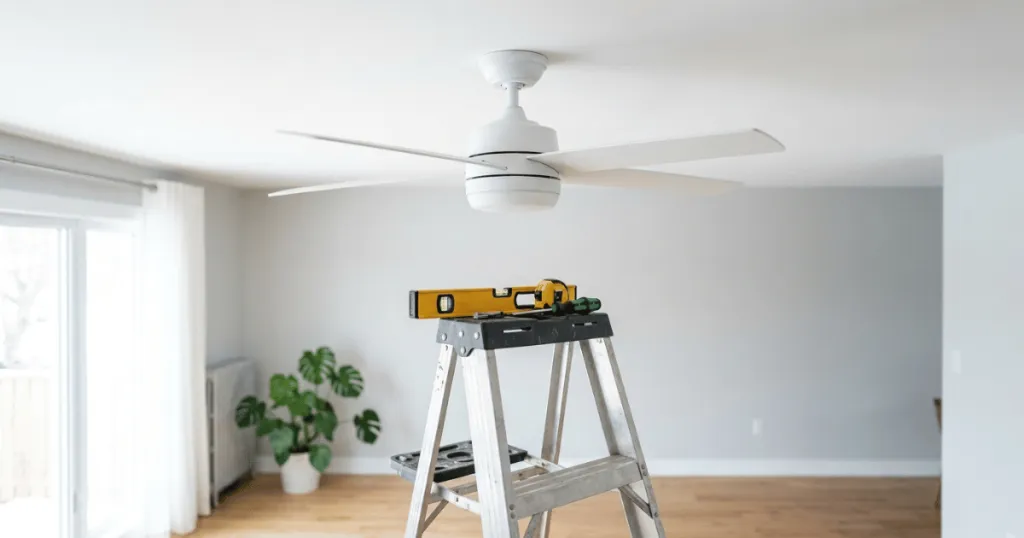
To address blade warping, you will need a few standard household tools. A sturdy stepladder is essential for reaching the fan safely. Do not attempt to stand on chairs or tables, as you need a stable platform to perform precise adjustments. You will also need a high-quality screwdriver set, a level, and a tape measure to check the distance between the blade tips and the ceiling.
Having a second person nearby is highly recommended. They can help stabilize the ladder and provide an extra set of eyes to spot alignment issues from the floor while you work at the ceiling level. If you are working alone, take your time and never rush the process. Safety is the priority, especially when working with electrical appliances suspended above your living space. Organize your tools on a tray or a tool belt so you are not fumbling for a screwdriver while balanced on the ladder.
Before beginning, ensure the room is well-lit. You need to see the connection points clearly to identify stripped screws or bent metal. If you are working on a vaulted ceiling, ensure your ladder is rated for the height and that you have a secure place to lean it. Never overreach. If you cannot reach a blade comfortably, reposition the ladder. Proper preparation prevents accidents and ensures you can focus entirely on the mechanical task of realigning the fan components.
Step-by-Step Instructions: How to Fix Ceiling Fan Blade Warping
Follow these steps in order to systematically diagnose and correct the imbalance caused by warped blades.
Step 1: Verify the Blade Alignment
With the fan turned off and the blades completely still, use a tape measure to check the distance from the tip of each blade to the ceiling. Choose a fixed point on the ceiling or the wall directly above the fan to ensure consistency. If one blade sits significantly higher or lower than the others, that is your primary target for adjustment. Rotate the fan by hand to bring each blade to the exact same spot under your reference point. Record the measurements for each blade to identify the outlier.
Step 2: Adjust the Blade Iron
If a blade is slightly out of alignment, you can often gently bend the blade iron to compensate. Grip the metal bracket firmly with both hands and apply steady, incremental pressure to move it into the correct position. Do this in very small increments. It is far better to make several tiny adjustments than to bend the metal too far in one go, which can weaken the bracket. If the bracket is made of cast metal, be extremely careful, as it can snap under excessive force. Stamped steel brackets are more forgiving but still require a steady hand.
Step 3: Check for Weight Imbalance
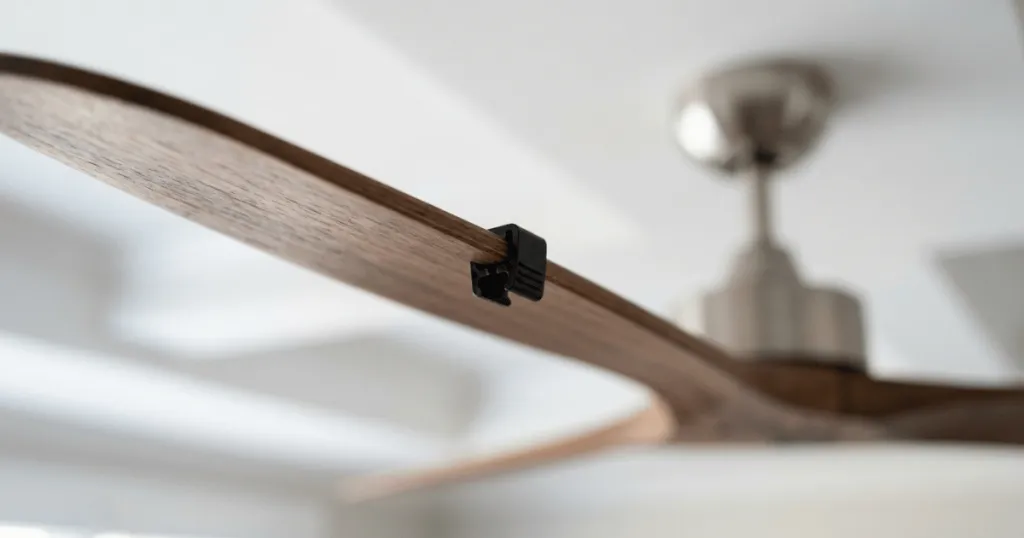
Sometimes, the warping is minor, but the resulting weight distribution causes the wobble. If the blade itself is not severely twisted, you can use a balancing kit. These kits typically include a small clip and adhesive weights. Attach the clip to the center of the trailing edge of a blade and run the fan to see if the wobble improves. Move the clip from blade to blade until you find the one that stabilizes the fan, then apply the adhesive weight to the top of that blade. This process requires patience, as you must turn the fan off and on repeatedly to test each position.
Step 4: Tighten All Hardware
Once you have corrected the alignment, go back and re-check every screw on the blade irons and the motor housing. A fan that has been wobbling for a long time may have vibrated other fasteners loose. Ensuring everything is tight will prevent the issue from returning immediately. Use a manual screwdriver rather than a power drill to avoid stripping the screw heads or damaging the threads in the motor housing.
Deep Dive: Advanced Troubleshooting for Persistent Wobble
If you have followed the steps above and the fan still wobbles, you may need to look deeper into the installation. A common issue is the mounting bracket at the ceiling. If the bracket is not perfectly level, the entire fan assembly will be tilted, which creates a wobble that no amount of blade adjustment can fix. Check the mounting screws that secure the bracket to the electrical box. If these are loose, the fan will vibrate against the ceiling, creating noise and instability.
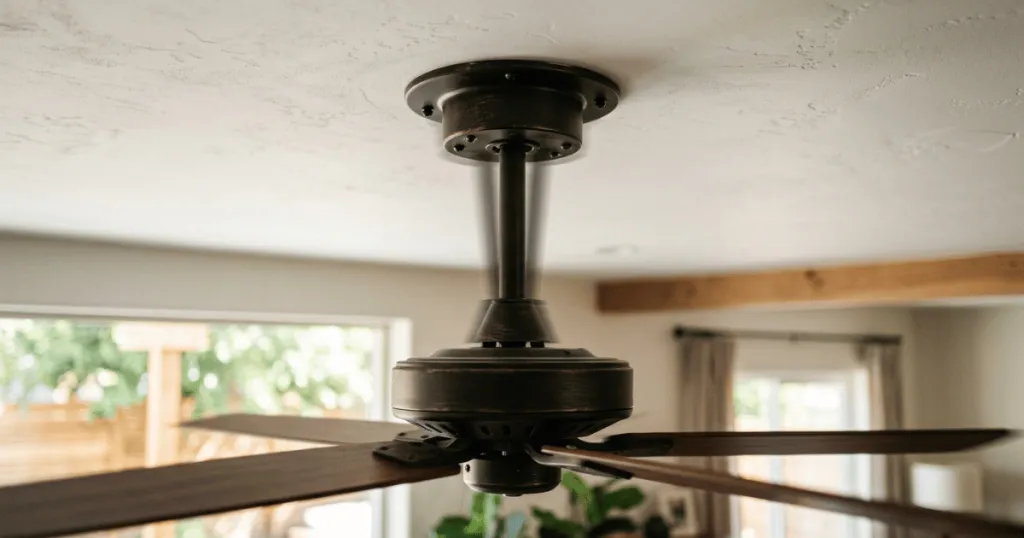
Another factor is the downrod. If the downrod is not seated correctly in the hanger ball, or if the pin that secures the downrod to the motor is loose, the fan will have a noticeable sway. Inspect the connection between the downrod and the motor housing. If there is excessive play, the motor will shift during operation. This is often mistaken for a warped blade because the wobble is rhythmic and tied to the rotation of the fan.
Consider the environment as well. If the fan is located near an air vent or in a room with significant drafts, the air movement can interact with the fan blades and cause a slight vibration. While this is not a mechanical fault, it can be annoying. Ensure that the fan is not positioned in a way that interferes with the primary airflow of the room. Additionally, check for debris buildup. Dust accumulation on the top of the blades can create an uneven weight distribution that mimics warping. Clean the blades thoroughly with a damp cloth and a mild cleaner, ensuring you remove all dust from the leading and trailing edges.
If the fan still vibrates, check the motor bearings. If the motor itself makes a grinding or clicking noise, the internal bearings may be worn out. In this scenario, the fan has reached the end of its mechanical life, and no amount of blade adjustment will fix the underlying issue. If you feel uncomfortable working with the electrical components or if the fan is mounted on a very high or vaulted ceiling, stop and contact a professional. There is no shame in calling an electrician if the task requires working at dangerous heights or if you suspect an internal motor fault that requires specialized tools to repair.
Common Mistakes to Avoid
One of the most frequent mistakes is forcing the blade into place without considering the integrity of the blade iron. If you pull too hard on a brittle or thin metal bracket, it may snap or crack. Always apply pressure to the bracket, not the blade itself, as the blade material is often more fragile than the metal hardware. Another error is ignoring the motor housing.
If your fan continues to wobble after you have perfectly aligned the blades, the issue might be a loose mounting bracket at the ceiling. Ensure the canopy is secure and the downrod is properly seated in the hanger ball. Many homeowners spend hours adjusting blades when the real problem is a loose connection at the ceiling box.
Finally, avoid using heavy, makeshift weights to balance the fan. Using coins or duct tape can add too much mass, which puts unnecessary strain on the motor bearings. Always use the manufacturer-provided balancing clips or specific fan-balancing weights designed for this purpose. These are engineered to be aerodynamic and lightweight, minimizing the impact on the motor while effectively counteracting the imbalance. Using improper materials can lead to long-term damage to the motor, resulting in a total fan failure that is much more expensive to resolve than a simple blade alignment issue.
Preventative Maintenance for Long-Term Stability
To prevent future warping, consistency is key. If you live in a humid climate, consider using a dehumidifier in the room where the fan is installed. This helps maintain the structural integrity of wood and composite blades. Regularly dusting the blades prevents the accumulation of heavy debris that can cause uneven weight distribution. A quick wipe-down once a month is usually sufficient to keep the blades clean and balanced.
During seasonal changes, check the tightness of the blade screws. Temperature fluctuations can cause metal and wood to expand and contract at different rates, which may loosen fasteners over time. A quick inspection twice a year, perhaps when you change the direction of your fan for summer or winter, can save you from having to perform a major repair later. By treating your ceiling fan as a mechanical device that requires periodic maintenance, you ensure it remains a reliable source of comfort for years to come.
FAQ
Can I fix a warped wooden ceiling fan blade?
Minor warping in wooden blades can sometimes be corrected by removing the blade and placing it under a heavy, flat weight for several days in a dry environment. However, if the wood has split or the twist is significant, replacement is the only reliable way to fix ceiling fan blade warping.
How do I know if the blade is warped or the motor is failing?
If the fan wobbles but the motor runs silently, the issue is likely the blades or the mounting hardware. If you hear grinding, clicking, or humming noises coming from the motor housing, the problem is internal and likely involves the bearings or the motor itself.
Does humidity cause ceiling fan blades to warp?
Yes, high humidity can cause wood and composite blades to absorb moisture, leading to swelling and warping. This is particularly common in fans installed in bathrooms, kitchens, or outdoor covered patios without proper ventilation.