Quick Answer: To fix a wobbly ceiling fan, start by tightening all mounting hardware, including the bracket at the ceiling and the blade iron screws. Clean the blades thoroughly to remove uneven dust buildup. If the wobble persists, use a ceiling fan balancing kit to identify and weight the light blade, ensuring the fan achieves proper equilibrium.
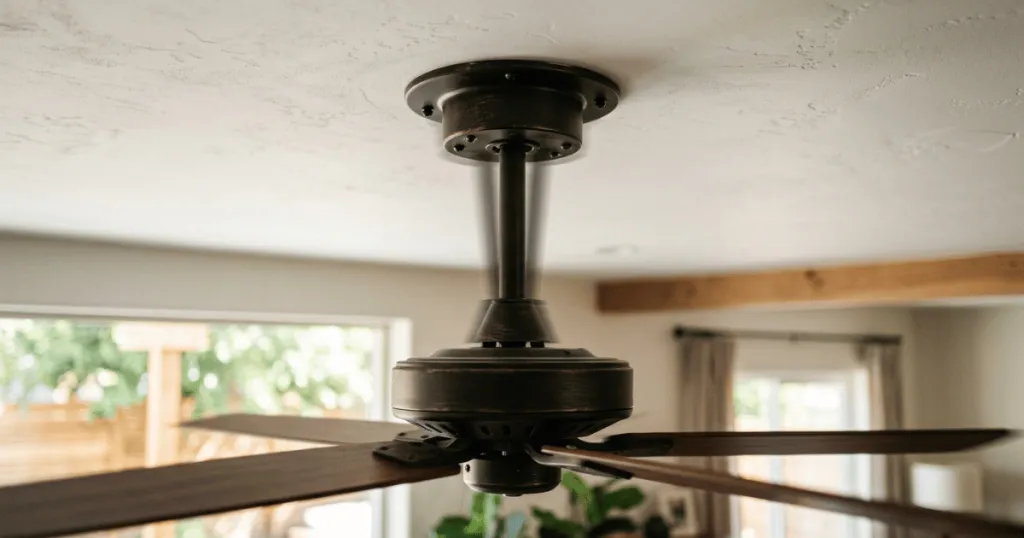
Before you commit time to a full repair, perform a quick readiness check to determine if you are dealing with a simple maintenance issue or a deeper structural problem. Stand directly under the fan while it is turned off and gently push upward on the motor housing. If you feel any movement or hear clicking sounds, the issue likely lies with the mounting hardware or the ceiling junction box rather than the blades themselves.
If the fan feels solid but shakes only when spinning, you are likely looking at a weight distribution problem that can be resolved with basic tools. Knowing this distinction saves you from unnecessary labor and helps you decide if you need a ladder and a screwdriver or a more comprehensive inspection of your ceiling support.
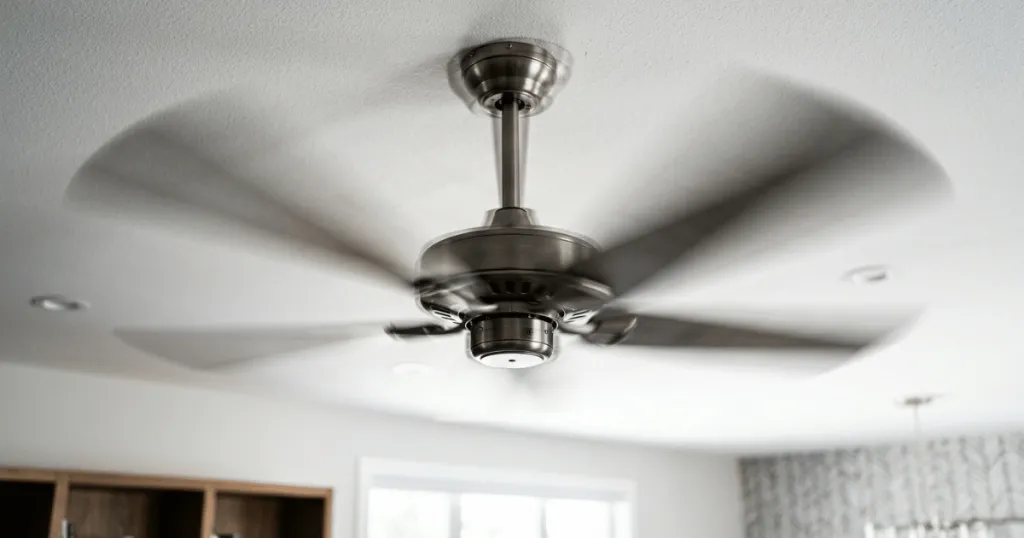
A ceiling fan that wobbles is more than just a visual annoyance. It creates distracting noise, puts unnecessary stress on the motor housing, and can eventually lead to premature failure of the internal components. Learning how to fix a wobbly ceiling fan is a straightforward process that most homeowners can manage with a few basic tools and a bit of patience. By addressing the imbalance early, you protect your investment and restore the quiet, steady airflow your room requires.
Before you begin, determine if the wobble is a minor balance issue or a structural problem. If the fan makes a grinding noise, feels loose at the ceiling canopy, or shows signs of motor damage, the issue likely goes beyond simple blade alignment. Most wobbles, however, stem from minor weight discrepancies or loose hardware that can be corrected in under an hour.
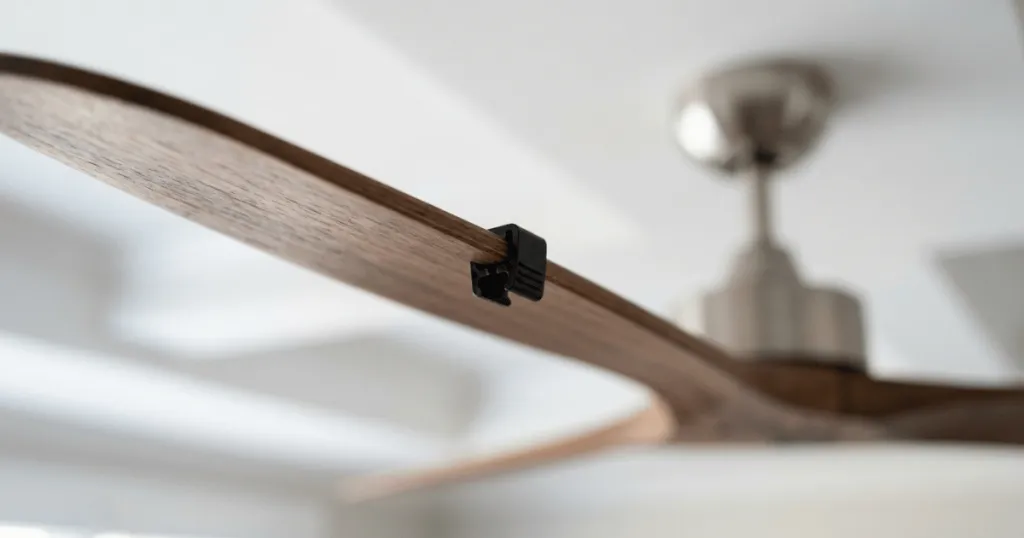
Before You Start: Assessing the Wobble
The most common reason for a ceiling fan to wobble is a slight imbalance in the weight distribution of the blades. Even a few grams of difference, caused by dust accumulation, paint, or minor manufacturing variations, can cause the fan to shake at higher speeds. Before you reach for a balancing kit, perform a visual inspection of the entire assembly.
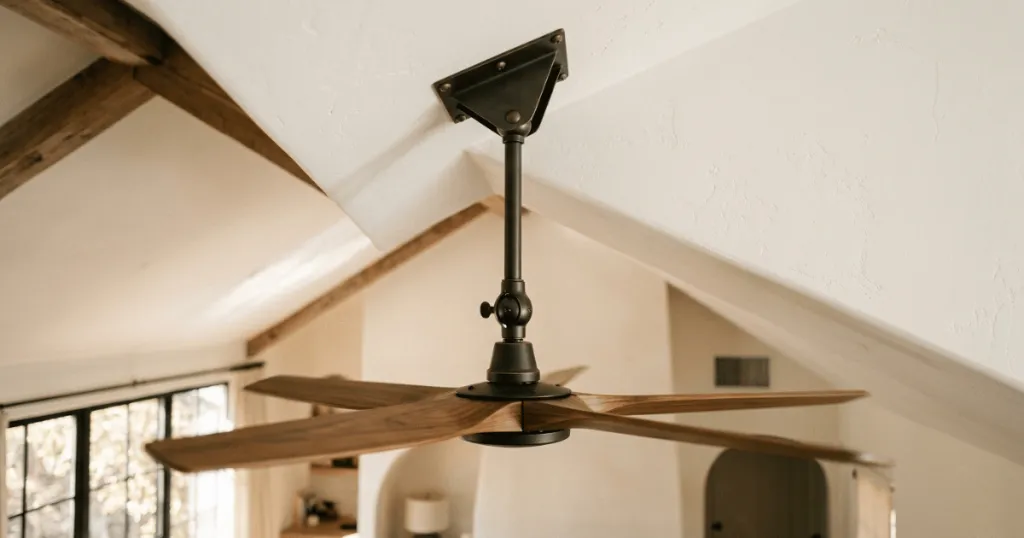
Check the mounting bracket first. If the fan is not securely attached to the electrical box in the ceiling, no amount of blade balancing will stop the movement. Ensure the screws holding the bracket to the ceiling joist or the fan-rated electrical box are tight. A loose connection at the top is a significant safety concern and must be resolved before you proceed to the blades.
Next, inspect the blade iron screws. These are the small brackets that connect each fan blade to the motor housing. Over time, these screws can back out slightly due to the constant vibration of the motor. Use a screwdriver to ensure every screw is snug. Do not overtighten, as this can strip the threads in the motor housing, but ensure there is no play in the connection.
Finally, clean the blades thoroughly. A thick layer of dust on the top of one blade can add enough weight to throw off the entire rotation. Use a damp microfiber cloth to wipe down both sides of every blade. If you have decorative light kits or glass shades attached, ensure they are centered and that their mounting screws are secure, as an off-center light fixture can also contribute to a perceived wobble.
Prerequisites and Tools for the Job
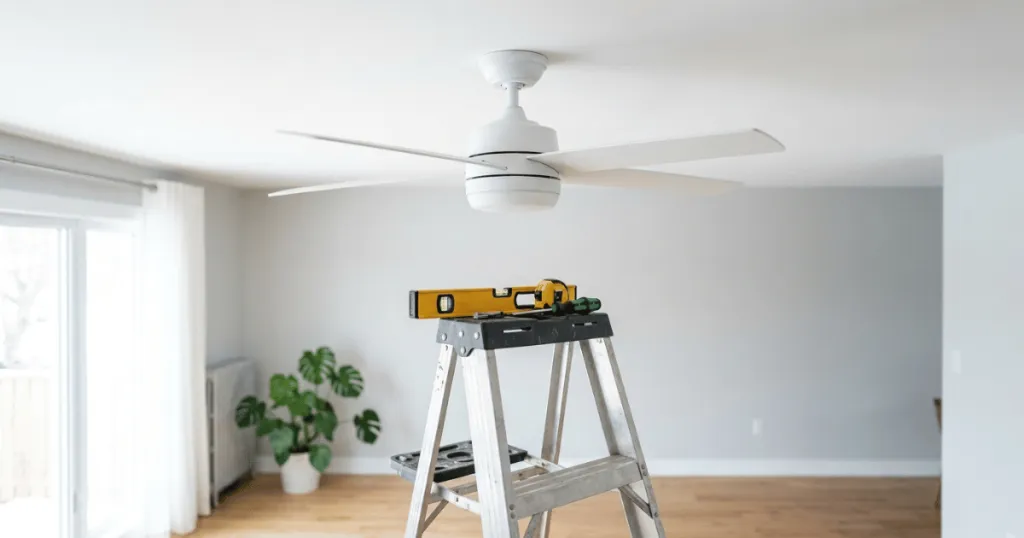
You do not need specialized equipment to fix a wobbly ceiling fan. Most of the tools required are likely already in your household toolkit. A sturdy step ladder is the most important piece of equipment, as it provides the height and stability needed to reach the motor housing safely. Never attempt to stand on a chair or a wobbly surface while working on a ceiling fan.
Gather a set of screwdrivers, including both Phillips and flat-head varieties, to handle the various screw types found on fan blades and light kits. A small level can be useful for checking if the blades are hanging at the same angle, though a visual check is often sufficient for beginners. If you suspect the blades themselves are warped, you may need a tape measure to check the distance from the tip of each blade to the ceiling.
If you determine that the blades are physically balanced but the fan still shakes, you may need a ceiling fan balancing kit. These kits are inexpensive and typically include a plastic clip and a set of adhesive-backed weights. The clip helps you identify which blade is causing the imbalance, while the weights allow you to add mass to the lighter blades to achieve equilibrium.
Step-by-Step Instructions: How to Fix a Wobbly Ceiling Fan
Follow these steps in order to systematically isolate and correct the source of the wobble. Start with the simplest fixes before moving to more involved balancing techniques.
1. Tighten All Hardware
Start by checking every connection point. This includes the screws connecting the blades to the blade irons, the screws connecting the blade irons to the motor, and any screws on the light kit. If you find a loose screw, tighten it carefully. If a screw is stripped or missing, replace it with a matching screw from a hardware store to ensure the blade remains secure. Pay special attention to the canopy screws that hide the mounting bracket, as these are often overlooked during routine ceiling fan maintenance.
2. Measure Blade Height
If the hardware is tight, check for warped blades. Use a tape measure to record the distance from the tip of each blade to the ceiling. Rotate the fan by hand so that each blade tip passes the same point on the ceiling. If one blade is significantly higher or lower than the others, the blade iron may be bent. You can often gently bend the blade iron back into position with your hands, but be careful not to apply too much force. If the blade iron is severely twisted or cracked, it is safer to replace the component entirely rather than attempting to bend it back, as metal fatigue can lead to sudden failure.
3. Use the Balancing Clip
If the blades are straight and tight, use a balancing kit. Place the plastic clip on the center of the trailing edge of one blade. Turn the fan on at a medium speed and observe the wobble. If the wobble persists, move the clip to the next blade. Continue this process until you find the blade that, when clipped, significantly reduces or eliminates the shaking. This is your light blade. Be patient during this phase, as the difference in weight required to stabilize a fan is often very small, and finding the exact blade can take several attempts.
4. Apply the Balancing Weight
Once you have identified the light blade, move the clip along the length of that blade until you find the exact spot where the wobble is minimized. Remove the clip and stick one of the adhesive weights to the top center of the blade at that specific location. Press down firmly to ensure it adheres properly. The fan should now operate smoothly. If the fan still exhibits minor movement, you may need to add a second weight, but avoid overloading the blade, as excessive weight can strain the motor over time.
Common Mistakes to Avoid
One of the most common mistakes is assuming the fan is balanced when it is actually loose at the ceiling. If the mounting bracket is not flush with the ceiling, the entire motor assembly will shift regardless of how well the blades are weighted. Always verify the ceiling connection before spending time on the blades. Another common oversight is failing to check if the fan is mounted to a proper fan-rated electrical box. If the box is designed only for light fixtures, it will lack the structural integrity to handle the torque generated by a spinning fan, leading to persistent movement that no amount of balancing can fix.
Another frequent error is failing to clean the blades before attempting to balance them. Dust buildup is often uneven, meaning one blade might be heavier than the others simply because of debris. Cleaning the blades first is a critical step that often solves the problem without requiring any further adjustments. Furthermore, avoid using heavy weights or makeshift items like coins or tape to balance the fan. These can fly off at high speeds and cause damage or injury. Always use the weights provided in a dedicated balancing kit, as they are designed to stay adhered to the blade surface during operation.
Troubleshooting Persistent Wobbles
If you have tightened all hardware, cleaned the blades, and used a balancing kit but the fan still wobbles, the issue may be internal. The motor itself could have a loose bearing or a damaged internal housing. If the fan is relatively new, check if it is still under warranty, as motor defects are often covered by the manufacturer. Listen closely to the fan while it is running. If you hear a rhythmic clicking or a grinding sound, this is a clear indicator of ceiling fan motor noise, which usually points to mechanical wear rather than a simple balance issue.
In some cases, the electrical box in the ceiling is not rated for a ceiling fan. A standard light fixture box is not designed to support the weight and torque of a rotating fan. If the box is loose or flexes when the fan is running, you must replace the box with a fan-rated junction box. This is a more involved task that requires turning off the power at the breaker and may require professional assistance if you are not comfortable with electrical wiring. Do not ignore a flexing junction box, as it poses a significant safety risk over the long term.
Finally, consider the age of the fan. Older fans may have worn-out motor bushings or internal components that have reached the end of their service life. If the wobble is accompanied by a loud humming or grinding noise, it is often a sign that the motor is failing. In these situations, replacing the fan is usually the most practical and cost-effective solution compared to attempting complex internal repairs. When evaluating whether to repair or replace, consider the cost of parts versus the efficiency and safety of a modern, balanced unit.
FAQ
Can I use coins to balance my ceiling fan?
No, you should not use coins or other makeshift items. They are not designed for the high-speed rotation of a ceiling fan and can fly off, causing damage or injury. Always use a dedicated balancing kit with adhesive weights designed for this purpose.
What if my ceiling fan still wobbles after balancing?
If balancing does not work, check if the mounting bracket is loose or if the electrical box in the ceiling is not fan-rated. If the fan makes grinding noises, the motor bearings may be failing, which often requires a full fan replacement.
How often should I clean my ceiling fan to prevent wobbling?
Cleaning your ceiling fan every few months is recommended. Dust buildup is a leading cause of minor imbalances, and keeping the blades clean helps prevent the fan from shaking while also improving air quality in the room.
Is it dangerous to run a wobbly ceiling fan?
Yes, running a wobbly fan is not recommended. The constant vibration can loosen electrical connections, damage the motor housing, and eventually cause the fan to fall or create a fire hazard due to damaged wiring.