Key Takeaway: No, you should never use a standard lighting dimmer for a ceiling fan. Ceiling fans use inductive motors that require a steady, continuous flow of electricity. A dimmer cuts the power signal, which causes the motor to overheat, hum, and eventually fail. Always use a dedicated fan speed control switch.
When you are looking to upgrade your home controls, you might wonder: can you use a dimmer switch for a ceiling fan? The short answer is no, you should never use a standard wall dimmer designed for lights to control the motor of a ceiling fan. While it might seem like a convenient way to adjust speed, doing so often leads to significant mechanical damage, dangerous overheating, and an annoying humming noise that ruins the comfort of your room.
Understanding the electrical differences between lighting circuits and motor circuits is essential for any homeowner. Lighting dimmers are built to handle resistive loads, whereas ceiling fan motors require specific control methods to manage their inductive load. Using the wrong switch can compromise the longevity of your fan and create a fire hazard inside your walls. This guide explores why this distinction matters and how to manage your fan speeds properly.
The Technical Reasons Why You Cannot Use a Dimmer Switch for a Ceiling Fan
The primary reason you cannot use a standard dimmer for a ceiling fan is the difference in how they manipulate electrical current. A light dimmer works by rapidly cutting off the power supply to the bulb many times per second, which reduces the total energy reaching the filament or LED driver. This is perfectly fine for a light bulb, which is a simple resistive load.
A ceiling fan motor, however, is an inductive load. It relies on a steady flow of electricity to maintain the magnetic fields that turn the rotor. When you place a standard dimmer in the circuit, you are essentially starving the motor of the continuous current it needs to operate smoothly. This causes the motor to struggle, leading to excessive heat buildup in the windings.
Over time, this intense heat can degrade the insulation on the internal motor wiring. Once that insulation fails, the motor can short out, potentially leading to a total failure of the unit. In some cases, the heat generated by an incompatible switch can even damage the electrical box or the wiring behind your wall, creating a serious safety risk that goes well beyond just a broken fan.
Consider the physics of the motor: it requires a specific voltage and frequency to maintain torque. When a dimmer chops the waveform of the alternating current, it creates harmonic distortion. This distortion prevents the motor from maintaining a consistent rotational speed, forcing the internal components to compensate for the lack of power. This compensation manifests as heat, which is the primary enemy of electrical longevity. In a worst-case scenario, the heat can cause the plastic components of the switch to melt, posing a fire risk that is entirely avoidable by using the correct hardware.
The Audible Warning Sign: Humming and Buzzing
If you have ever installed a fan on a dimmer, you likely noticed an immediate, unpleasant sound. This is the motor vibrating at a high frequency because it is receiving chopped or incomplete electrical cycles. This constant buzzing is more than just a nuisance; it is a clear indicator that the motor is under electrical stress.
Ignoring this noise is a common mistake. Many homeowners assume that if the fan is spinning, it must be working correctly, but the internal strain remains. Even at high speeds, the interference from a dimmer can prevent the motor from reaching its designed efficiency, which leads to premature wear on the bearings and the internal capacitor. The sound is essentially the motor crying out for a clean power signal, and continuing to operate it in this state will inevitably lead to a failure of the motor bearings or the start capacitor.
Real-World Context: How to Control Your Fan Properly
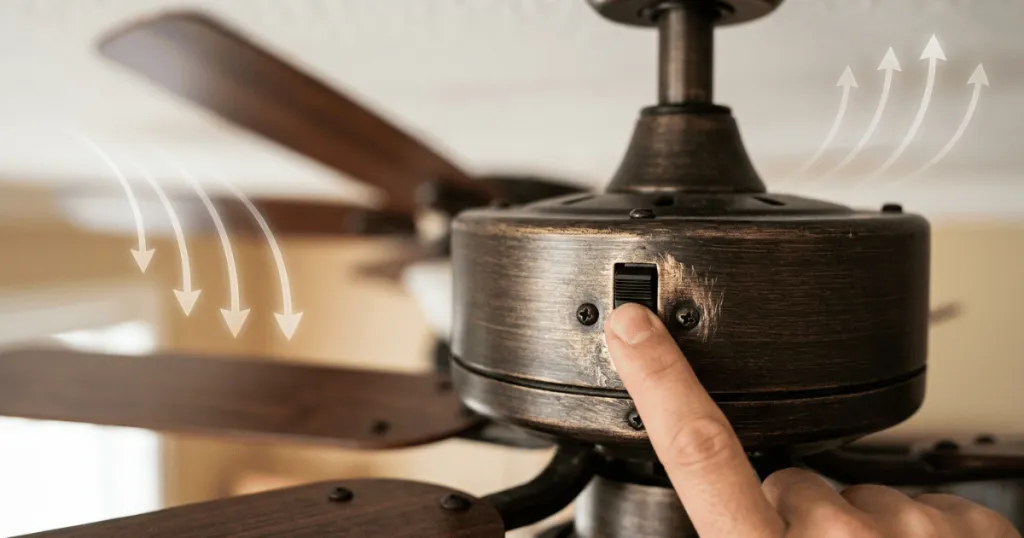
In a typical home, you want reliable, quiet performance. To achieve this, you must use a control device specifically rated for ceiling fan motors. These are often referred to as fan speed controls or fan-rated wall switches. Unlike a dimmer, these devices use different internal components to regulate speed without interrupting the power flow in a way that harms the motor.
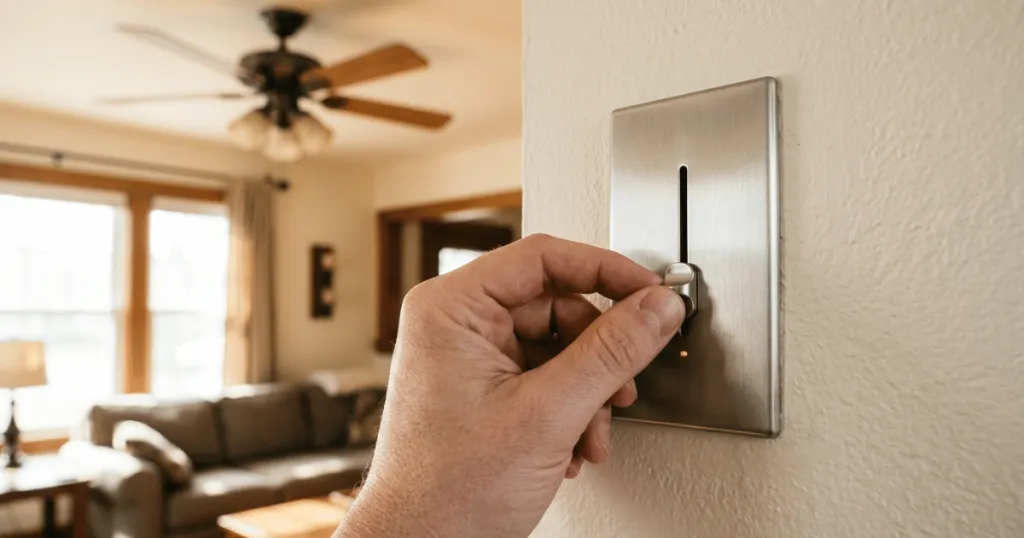
If you are looking to control both the light and the fan from the wall, you should look for dual-purpose controls. These units feature two separate sliders or buttons: one specifically for the fan motor and one specifically for the light. This ensures that the fan motor receives the clean, steady power it requires while the lighting component gets the dimming functionality it needs.
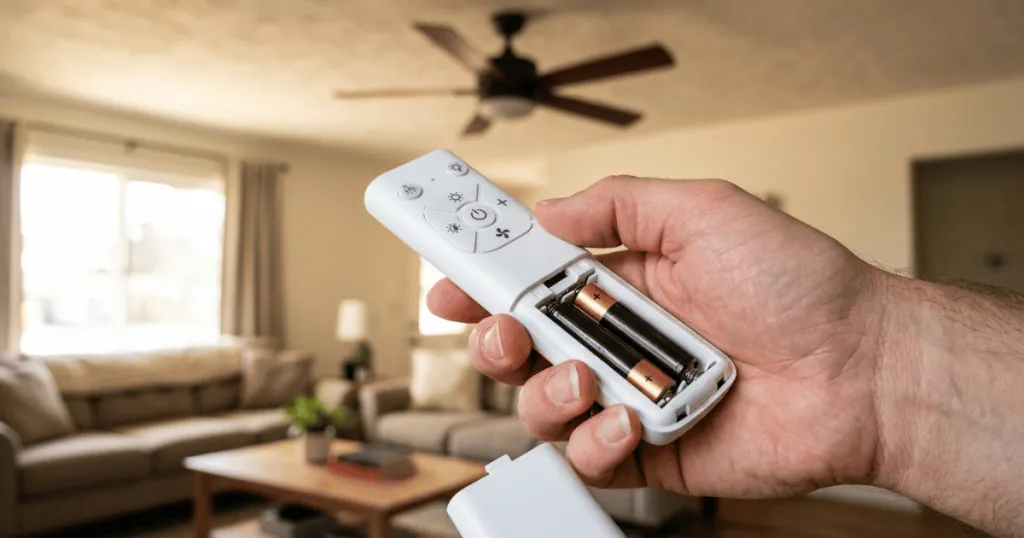
For those living in older homes with limited wiring, this can be a challenge. If your wall box only has one hot wire, you might not be able to install a dual control without adding new wiring. In these scenarios, many homeowners opt for a remote control system that installs inside the fan canopy. This allows you to control the fan and light independently using a handheld remote or a wall-mounted transmitter that communicates wirelessly with the fan receiver.
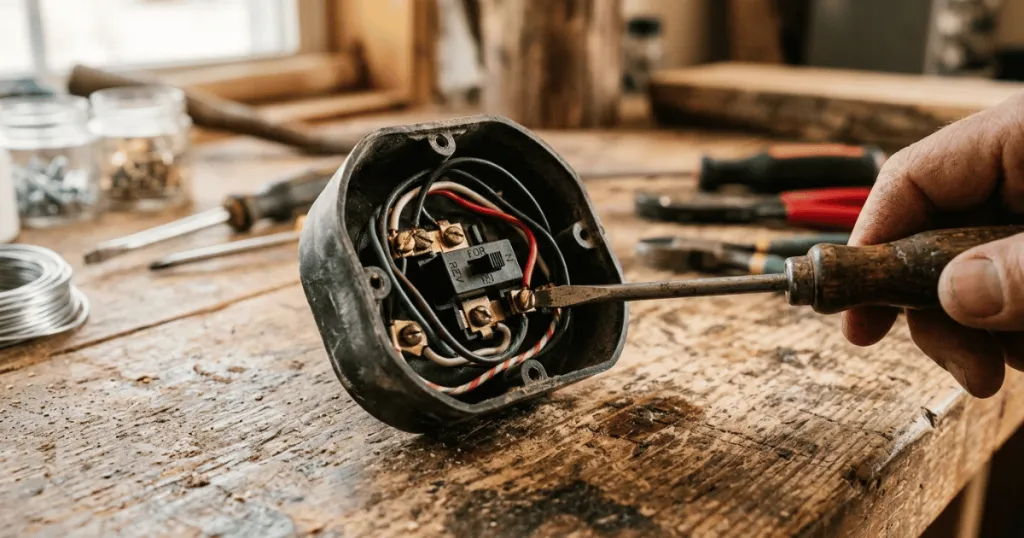
When selecting a control, look for the specific rating on the packaging. A fan speed control will often use a capacitor-based system to step down the voltage, which keeps the motor running smoothly without the harsh chopping effect of a triac-based light dimmer. This is a crucial distinction for the health of your appliance. If you are unsure about your home wiring, consulting with a licensed electrician is the safest path to ensure that your ceiling fan wiring meets local electrical code requirements and that your chosen control is compatible with your specific fan model.
What This Means in Practice
When you are planning your room layout, think about how you interact with your ceiling fan daily. If you prefer to walk into a room and flip a switch, a dedicated fan speed control is the best choice. It provides a tactile, physical way to change speeds that feels natural and reliable. If you are retrofitting a room, prioritize wall-mounted controls over remotes if you have the wiring capacity, as they are less likely to be misplaced.
Always check the packaging of any switch you purchase. If the box says it is for lights only, or if it says it is a dimmer, do not use it for your fan. Look for labels that explicitly state the switch is for ceiling fans or motor loads. This small step saves you from the frustration of a noisy fan and the cost of an early replacement.
Why Proper Fan Control Matters for Your Home
Beyond the immediate safety concerns, using the correct control device is about maximizing the comfort of your living space. A properly controlled fan should run silently at every speed setting. When you use the right equipment, you can enjoy the gentle breeze of a low setting without any mechanical clicking or electrical humming that distracts from your relaxation.
Energy efficiency is another factor to consider. Motors that are forced to operate through an incompatible dimmer are inherently inefficient. They draw more current than they should, which wastes electricity and increases your utility costs over time. By using a fan-rated speed control, you ensure that the motor operates within its intended electrical parameters, which helps it last for many years of daily service.
Think about the long-term maintenance of your home. A fan that is properly installed and controlled is a set-it-and-forget-it appliance. When you use the wrong switch, you introduce a point of failure that will eventually require you to climb a ladder, remove the fan, and troubleshoot the motor or the control board. By investing in a high-quality, fan-rated wall switch, you are essentially protecting your investment and ensuring that the comfort of your living room or bedroom remains consistent throughout the seasons.
Furthermore, consider the environment of the room. In a bedroom, silence is paramount. A fan that hums because of a cheap dimmer switch can be a significant source of irritation, especially at night when ambient noise is low. By switching to a dedicated fan control, you eliminate the electrical noise, allowing the fan to perform its job of circulating air without becoming a distraction.
Common Misconceptions About Fan Controls
A frequent misunderstanding is that all modern ceiling fans are immune to dimmer issues because they use DC motors. While it is true that DC fans are more efficient, they are even more sensitive to power fluctuations. Most DC fans come with a proprietary remote control system, and attempting to wire them to a wall dimmer will almost certainly destroy the internal control board, not just the motor.
Another myth is that LED-compatible dimmers are safe for fans because they are more advanced. This is incorrect. The issue is not the type of bulb or the age of the technology; it is the fundamental difference between a light load and a motor load. No matter how advanced the dimmer is, if it is designed for lighting, it is not designed to manage the inductive load of a fan motor.
Some people also believe that if they keep the dimmer at 100 percent, it is safe. While this minimizes the stress on the motor, it is still a risky setup. If someone accidentally slides the dimmer down, even slightly, the motor immediately begins to struggle. It is much safer to replace the switch entirely with a dedicated fan control so that you never have to worry about accidental damage.
It is also important to note that many modern smart home systems offer fan control modules. These modules are specifically engineered to handle the inductive load of a ceiling fan motor. If you are integrating your home with smart technology, ensure that you are purchasing a module explicitly labeled for fan control rather than a general-purpose smart dimmer. The distinction is vital for both the safety of your home and the longevity of your ceiling fan.
Conclusion: Choosing the Right Path
When you ask, can you use a dimmer switch for a ceiling fan, the answer remains a firm no. The risks to your motor, the potential for fire hazards, and the degradation of your home comfort are simply too high to justify the convenience of a single wall plate. By choosing a dedicated fan speed control, you ensure your fan operates quietly, efficiently, and safely for years to come.
Taking the time to install the correct control device is a simple but impactful home improvement task. It ensures that your ceiling fan functions exactly as the manufacturer intended, providing you with reliable air circulation and comfort. Avoid the temptation to use a standard dimmer, and instead, opt for a solution that respects the electrical requirements of your fan motor. Your home, your comfort, and your peace of mind will benefit from this decision.
FAQ
Can I use a smart switch to control my ceiling fan?
You can use a smart switch, but only if it is specifically rated for ceiling fan motor control. Many smart switches are designed only for lights, so always check the product specifications to ensure it supports inductive motor loads.
What should I do if my fan is already connected to a dimmer?
You should turn off the power to that circuit and replace the dimmer switch with a dedicated fan speed control as soon as possible to prevent permanent damage to the fan motor.
Does a remote control count as a dimmer?
No, a remote control system designed for a ceiling fan is a specialized controller that manages the motor and light separately. As long as you use the remote provided with the fan or a compatible replacement, it is safe to use.