Affiliate Disclosure: As an Amazon Associate, I earn from qualifying purchases.
Hunter Ceiling Fans have maintained a long-standing reputation in the American home improvement market, often serving as a baseline for reliability and traditional design. Known for their focus on motor durability and balanced blade performance, the brand occupies a middle-ground position that appeals to homeowners who prioritize functional longevity over high-end aesthetic trends or experimental technology.
When evaluating these fixtures, it is helpful to look past the marketing and focus on the practical realities of installation, motor types, and long-term maintenance. Whether you are looking for a simple bedroom solution or a primary air circulation device for a living area, understanding how this brand balances build quality with user-friendly features is essential for making an informed decision for your space.
Brand Reputation and Market Positioning
The brand is widely recognized for its historical commitment to the ceiling fan industry, often credited with some of the earliest designs that moved air effectively in residential settings. In the current market, Hunter positions itself as an accessible, mid-tier option that provides consistent performance for the average homeowner. They are rarely categorized as luxury or boutique, but they are equally distinct from the ultra-low-cost, disposable fans often found in big-box clearance aisles.
Their market positioning relies heavily on the concept of the reliable workhorse. By focusing on standard AC motors and, more recently, integrating efficient DC motor technology, they cater to a broad demographic. This includes DIY enthusiasts who need straightforward installation instructions and homeowners who want a product that will not require replacement within a few years. They maintain a presence in most major home improvement outlets, which reinforces their status as a go-to brand for standard residential needs.
This brand is not typically the first choice for those seeking high-design, architectural statement pieces or complex smart-home integration systems that require extensive software support. Instead, they occupy the space where utility meets affordability. They serve the segment of the market that views a ceiling fan as a permanent fixture meant to provide comfort for a decade or more, rather than a decorative item to be swapped out during a seasonal room refresh.
Product Line and Category Range
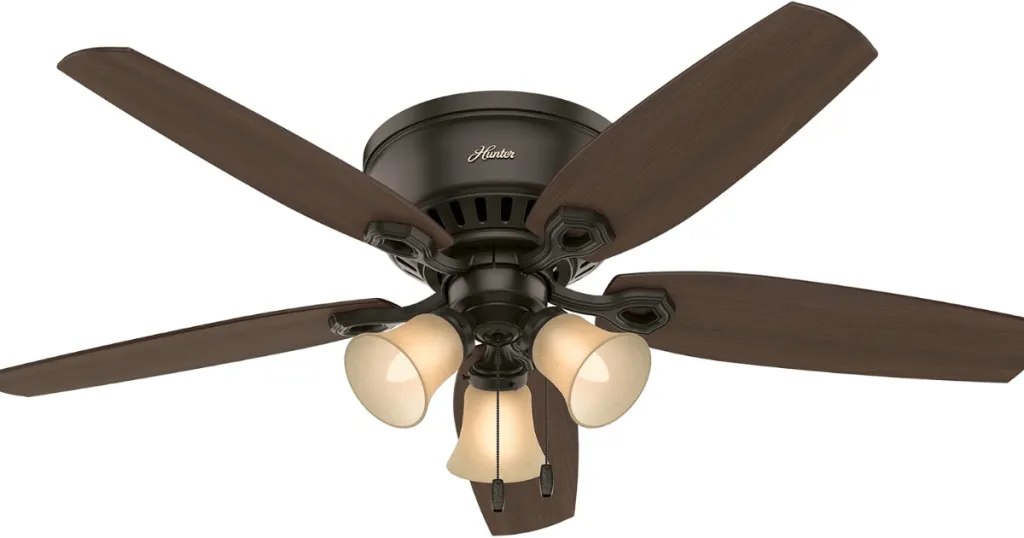
The product catalog for this brand is extensive, covering a wide range of mounting styles and room applications. They offer everything from low-profile, flush-mount fans designed for rooms with eight-foot ceilings to multi-position downrod mounts that can accommodate sloped or vaulted ceilings. This versatility is one of their primary strengths, as it allows a homeowner to maintain a consistent aesthetic throughout a house while addressing the specific height constraints of different rooms.
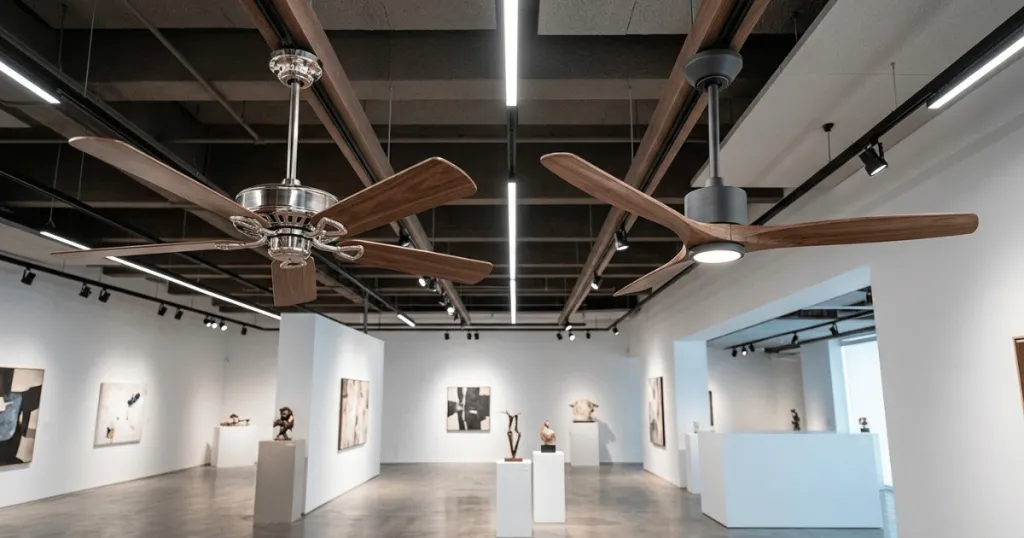
In terms of style, the lineup spans from traditional designs with ornate housings and wood-grain blades to modern, minimalist profiles with integrated LED light kits. They have made a significant effort to modernize their aesthetic, incorporating matte black, brushed nickel, and industrial-inspired finishes that align with current interior design trends. However, the core of their catalog remains rooted in classic shapes that are designed to blend into a room rather than dominate it.
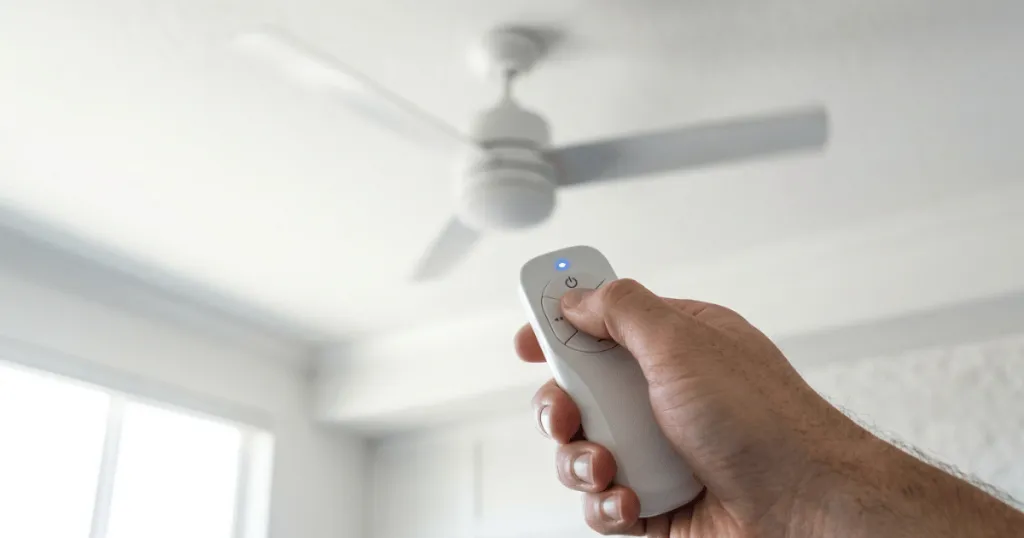
Motor technology is another key differentiator in their range. While many of their entry-level models utilize traditional AC motors, which are known for their simplicity and ease of repair, their newer lines feature DC motors. These DC versions are generally quieter, offer more speed settings, and consume less energy, making them a preferred choice for bedrooms or home offices where noise sensitivity is a primary concern. They also provide a variety of control options, ranging from traditional pull chains and wall switches to handheld remotes and integrated smart home compatibility.
Typical Quality Tier and Build Reputation
The build quality of these fans is generally consistent with their mid-tier pricing. The housing components are typically constructed from stamped steel or die-cast zinc, which provides a solid feel without the weight or cost of premium materials like solid brass. This construction method is effective for residential use, provided the fan is installed according to the manufacturer’s specific instructions regarding weight distribution and support.
One of the most frequently discussed aspects of their quality is the motor housing and the internal components. The brand has built its reputation on the longevity of its motors. In practice, this means that the internal windings and bearings are designed to handle continuous operation during warmer months without significant degradation. While no mechanical device is immune to wear, the brand has a track record of producing motors that remain balanced and quiet over long periods of use, provided the blades are kept clean and the mounting hardware remains tight.
The finish quality on their blades and housings is generally durable, though it can be susceptible to scratches if handled roughly during installation. The LED light kits included with many models are designed to be replaceable, which is a significant advantage over some competitors who use proprietary, non-serviceable light sources. This modular approach to maintenance is a hallmark of the brand’s commitment to product longevity, allowing users to replace a failed light module rather than discarding the entire fan.
Common Strengths and Weaknesses
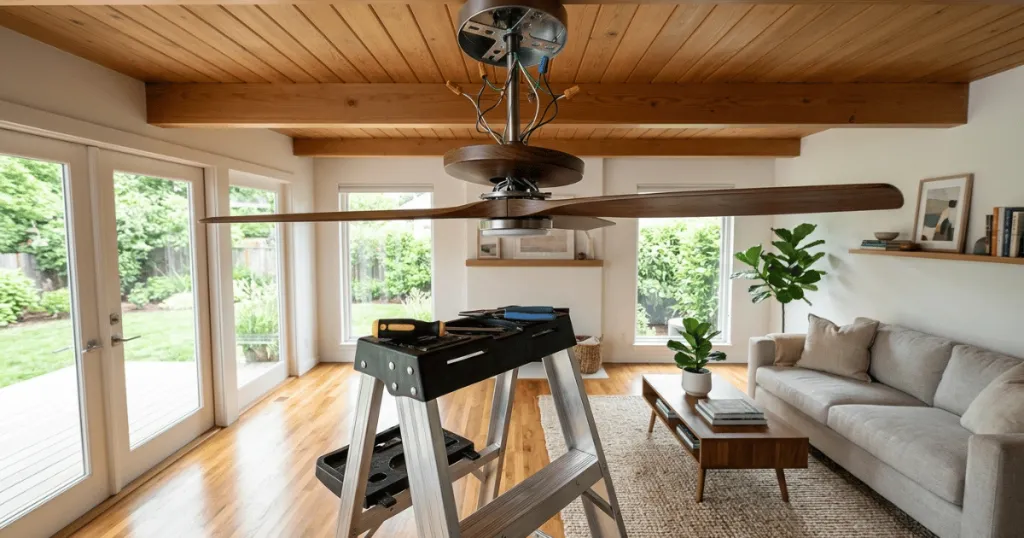
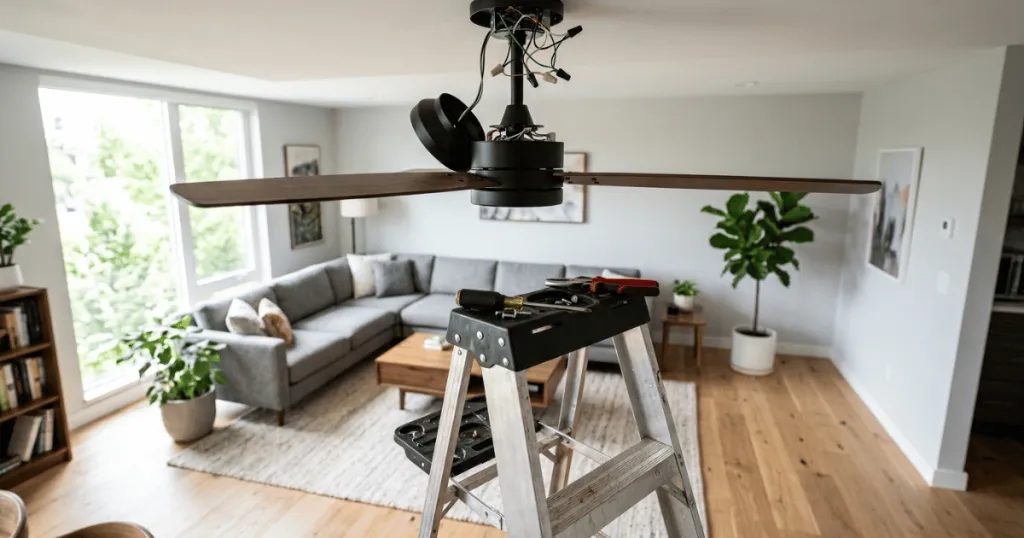
A primary strength of these fans is the ease of installation. The brand is known for its proprietary mounting systems, which often include features that allow for a one-person installation process. This is a major benefit for DIY-minded homeowners who want to avoid the cost of professional electrical services. The instructions are typically well-illustrated and easy to follow, covering common scenarios such as mounting to a standard junction box or dealing with sloped ceilings.
Another notable strength is the availability of replacement parts. Because the brand has been a fixture in the market for so long, finding a replacement remote receiver, a new light glass, or a set of blades is often easier than with smaller, obscure brands. This support infrastructure adds significant value to the initial investment, as it extends the life of the product well beyond the initial warranty period.
However, there are common weaknesses that users should be aware of. Some users report that the plastic components used in certain light kits or remote receivers can feel less premium than the metal housing. Additionally, while the motors are generally quiet, any fan can develop a hum if the installation is not perfectly level or if the mounting bracket is not secured to a sufficiently rigid ceiling joist. This is often a result of installation environment rather than a defect in the fan itself, but it remains a common point of frustration for users.
Another potential weakness is the reliance on proprietary remote control systems. If the receiver inside the fan housing fails, it often requires a specific replacement part from the manufacturer rather than a generic universal remote. While this ensures compatibility, it can be a minor inconvenience if the specific part is temporarily unavailable. Users should also be mindful that the airflow performance can vary significantly between models; choosing a fan that is too small for a large room will result in disappointment regardless of the motor’s build quality.
Warranty, Support, and Ownership Considerations
The ownership experience with this brand is generally supported by a clear warranty structure. They typically offer a limited lifetime warranty on the motor, which is a standard expectation for reputable ceiling fan manufacturers. This coverage provides peace of mind, though it is important to understand that it usually does not extend to the electronic components, light kits, or finishes, which are covered for shorter, specific periods.
Support resources are readily available through their website, including digital copies of manuals, troubleshooting guides, and video tutorials for common installation steps. This self-service approach is highly effective for most homeowners. If a more specific issue arises, their customer service channels are generally responsive, though wait times can fluctuate during peak cooling seasons when demand for technical support is naturally higher.
When considering ownership, it is important to factor in the environment where the fan will be installed. For example, installing an indoor-rated fan in a damp location like a covered porch will likely void the warranty and lead to premature failure of the finish and electronics. Always verify the damp or wet rating of a model if you are planning to use it in an outdoor or high-humidity space. Proper maintenance, such as dusting the blades and checking the mounting screws every season, will significantly contribute to the long-term performance of the unit.
Who This Brand Is and Is Not a Good Fit For
Hunter Ceiling Fans are an excellent fit for the homeowner who values reliability, ease of installation, and a wide variety of aesthetic options that lean toward the traditional or transitional. If you are looking for a fan that you can install once and rely on for many years, and you appreciate having access to clear instructions and replacement parts, this brand will likely meet your needs. They are particularly well-suited for bedrooms, living rooms, and dining areas where standard airflow is the primary requirement.
Conversely, this brand may not be the best fit for those who are seeking cutting-edge, high-end designer aesthetics or ultra-niche architectural styles. If your priority is a fan that serves as a bold, modern art piece or if you are looking for advanced, experimental smart-home integrations that go beyond basic remote control, you might find their offerings too conservative. They are also not the right choice for someone looking for the absolute lowest price point, as there are cheaper alternatives available, though those often come with significant trade-offs in motor longevity and build quality.
Ultimately, the decision to choose this brand should be based on your specific room requirements and your comfort level with DIY installation. If you prioritize a balanced, mid-tier product that is backed by a well-established company with a proven track record, these fans provide a solid foundation for home comfort. By focusing on the correct size for your square footage and ensuring the mount type matches your ceiling, you can maximize the performance of your chosen fixture.