Affiliate Disclosure: As an Amazon Associate, I earn from qualifying purchases.
Casablanca Ceiling Fans have long held a reputation in the home improvement market as a premium, design-forward manufacturer. Known for blending high-performance motor technology with distinct, often ornate or classic aesthetic profiles, the brand targets homeowners who view a ceiling fan as a permanent fixture rather than a disposable appliance. Whether you are looking for a centerpiece for a living room or a reliable air-moving solution for a bedroom, understanding the brand’s specific engineering philosophy is essential before making a selection.
Choosing the right fixture requires looking beyond the initial appearance to consider how these units integrate into your existing electrical setup and room environment. Because these fans are engineered with a focus on longevity and quiet operation, they often occupy a higher tier of the market. This review examines the core aspects of their product line, build quality, and ownership considerations to help you determine if they align with your specific comfort goals and home style.
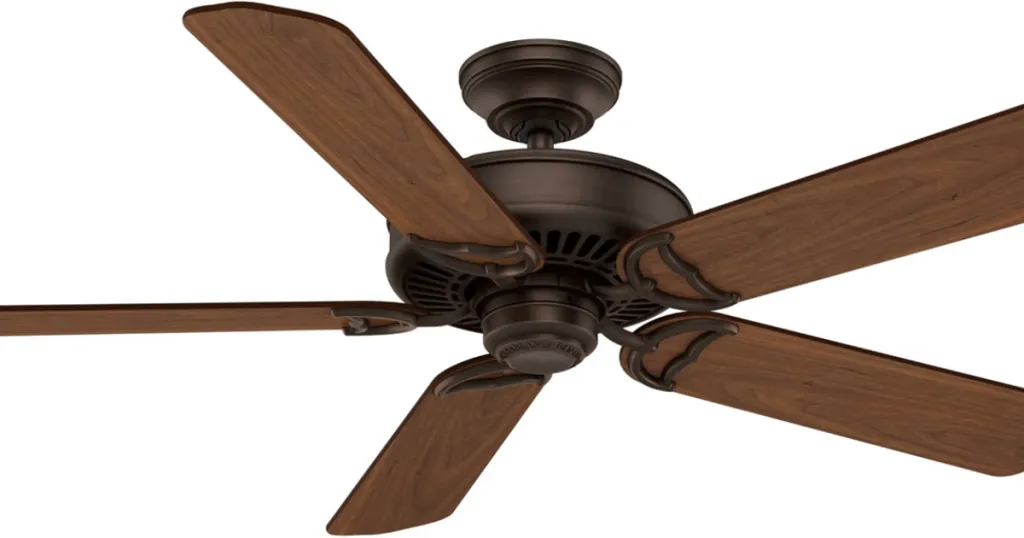
The Reputation and Market Positioning of Casablanca Ceiling Fans
In the ceiling fan industry, Casablanca occupies a space defined by heritage and a commitment to traditional craftsmanship. The brand has historically positioned itself as a provider of high-end, reliable equipment that prioritizes both mechanical integrity and visual presence. Unlike entry-level options that focus on mass-market affordability, this brand emphasizes the longevity of the motor and the precision of the blade balancing process.
Their market positioning is firmly in the premium category. This means that when you invest in one of these units, you are paying for engineering that aims to minimize wobble, reduce noise levels, and provide consistent airflow over many years of daily use. They are frequently chosen by interior designers and homeowners who want a fan that serves as a focal point in a room, rather than a utilitarian device that blends into the background.
The brand maintains this reputation by consistently utilizing high-quality materials, such as heavy-duty cast metal housings and precision-engineered motor components. While the market has shifted toward lighter, more minimalist designs, the brand has managed to retain a loyal following by sticking to its roots in classic, durable design. For the homeowner, this translates to a product that feels substantial and performs with a level of smoothness that is often absent in lower-cost alternatives.
Product Line and Category Range
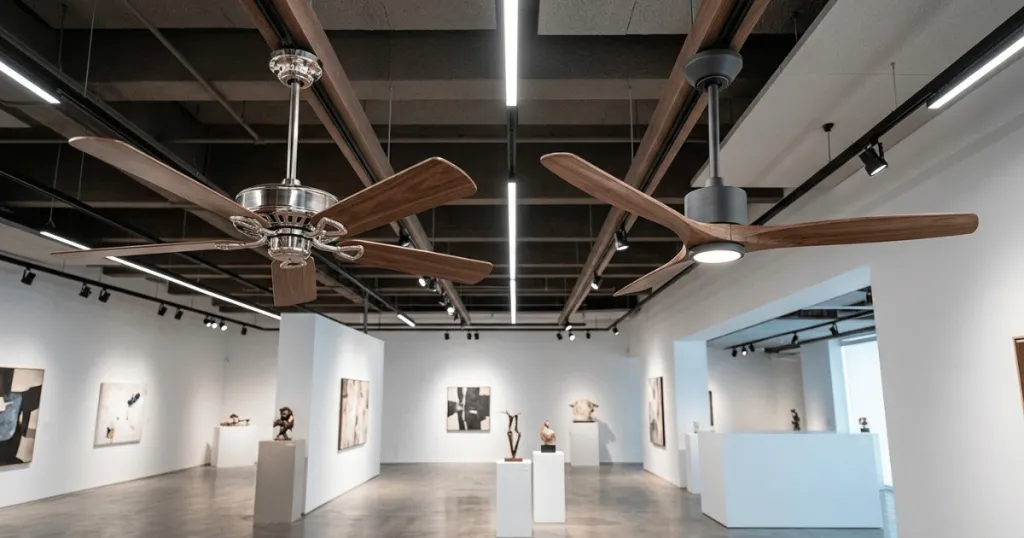
The product range offered by the brand is characterized by a mix of traditional, transitional, and modern aesthetics. They do not typically chase fleeting design trends, preferring instead to iterate on shapes and finishes that have proven to be timeless. You will find a wide variety of blade materials, including real wood veneers, high-density polymers, and metal, each chosen to complement the specific housing style of the fan.
When exploring their catalog, you will encounter several mount types designed to suit different ceiling heights. They offer standard downrod mounts for high or vaulted ceilings, as well as low-profile or hugger options for rooms with limited clearance. This versatility is a hallmark of their line, ensuring that homeowners with varying architectural constraints can still benefit from the brand’s performance standards.
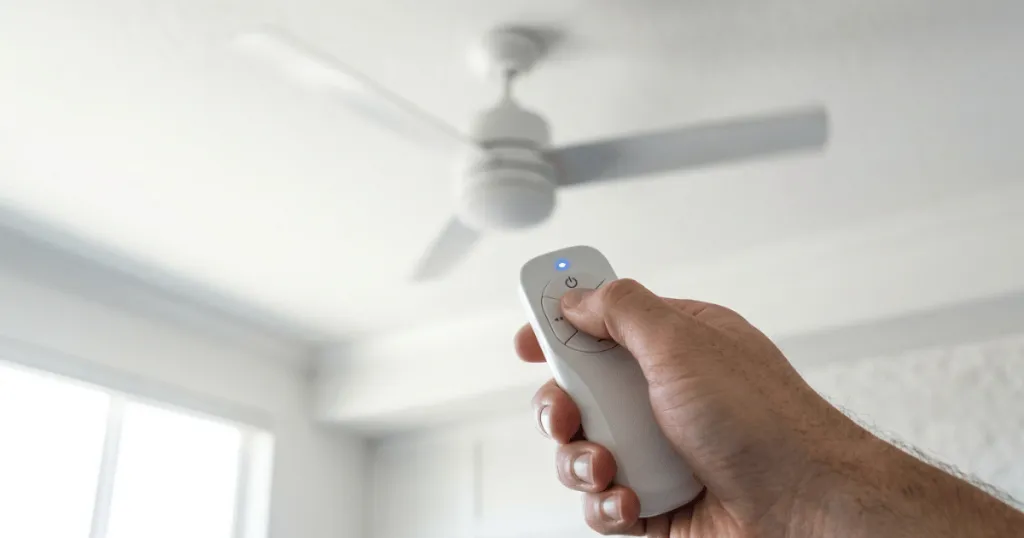
Control options are another significant part of their product range. Many models are designed to be compatible with wall-mounted controls or handheld remotes, allowing for precise adjustment of fan speeds and light intensity. Some units also feature integrated LED lighting solutions, which are engineered to match the color temperature and output of the fan’s overall design, preventing the disjointed look that can occur when adding aftermarket light kits to a base model.
Typical Quality Tier and Build Reputation
The build quality of these fans is generally regarded as high, particularly regarding the internal mechanics. The motors are often the primary selling point, as they are designed to operate with minimal friction and heat generation. This engineering focus is what allows these fans to run for long periods without the clicking or humming sounds that often plague cheaper, mass-produced cooling solutions.
The physical construction of the housing and blade brackets also reflects a commitment to durability. You will notice that the parts feel heavier and more rigid than those on standard hardware-store fans. This weight is not merely for show; it serves to dampen vibrations and ensure that the fan remains stable even at higher speeds. When installed correctly, the structural integrity of these units is a major factor in their long-term performance.
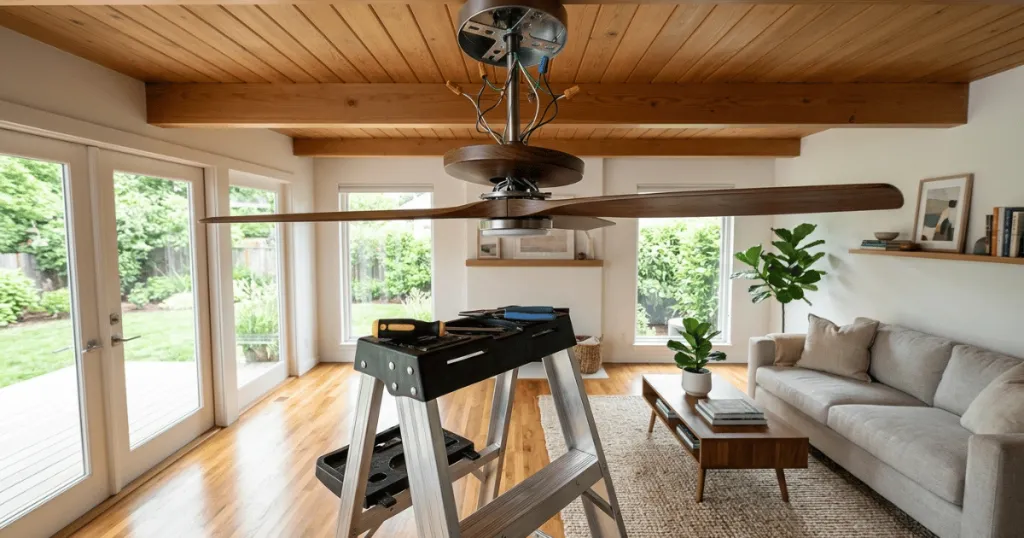
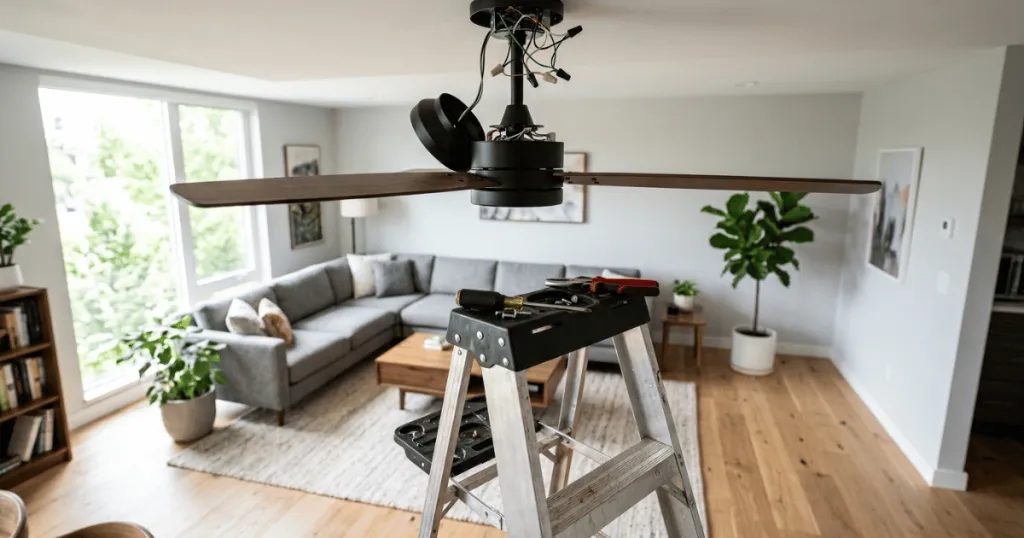
However, it is important to recognize that this focus on heavy-duty components requires careful installation. Because the materials are substantial, the mounting hardware must be securely attached to a proper fan-rated junction box. A common mistake is attempting to install these units on standard lighting boxes that are not designed to support the weight or the dynamic forces of a high-performance ceiling fan. Ensuring your electrical infrastructure is up to the task is a prerequisite for experiencing the quality this brand offers.
Common Strengths and Weaknesses
The primary strength of these fans is their operational silence. Many users find that even at high speeds, the sound produced is limited to the gentle rush of moving air, rather than mechanical noise from the motor or wobbling from the blades. This makes them an excellent choice for bedrooms, home offices, or media rooms where noise sensitivity is a primary concern.
Another notable strength is the consistency of their airflow. The blade pitch and motor torque are balanced to move a significant volume of air efficiently. This means you do not necessarily need to run the fan at its highest setting to feel the cooling effect, which can lead to a more comfortable environment during hot months. The aesthetic versatility also allows these fans to act as a design anchor, pulling together the decor of a room through their finish and silhouette.
On the flip side, the complexity of the internal components can be a weakness for those who prefer simple, DIY-friendly repairs. Because the motors and control systems are often proprietary, finding replacement parts years down the line can be more challenging than with generic fans. If a control board fails, you are often limited to sourcing specific parts from the manufacturer or authorized distributors, which can be more time-consuming than picking up a universal replacement part at a local store.
Additionally, the weight of the units can be a barrier for some installations. If you are retrofitting a room that lacks a reinforced ceiling, the labor involved in preparing the ceiling to safely hold the fan can add significant time and cost to the project. This is not a flaw in the product itself, but it is a critical consideration for homeowners who are not prepared for the structural requirements of a high-end, heavy-duty ceiling fan.
Warranty, Support, and Ownership Considerations
Ownership of a premium ceiling fan involves a different set of expectations regarding support. The brand generally provides warranties that reflect their confidence in the motor’s longevity, often covering the motor for a significant period. However, it is essential to read the specific terms of the warranty, as they often distinguish between the motor and the other components like the light kit, remote control, or finish.
Support for these products is best accessed through official channels. Because the technology inside the fans is specialized, general-purpose electricians may not always be familiar with the specific wiring or programming requirements for the more advanced control systems. If you encounter an issue, having access to the original documentation or the model information is vital for getting accurate guidance from customer support.
Maintaining these fans is relatively straightforward, but it does require periodic attention. Dusting the blades and ensuring that all mounting screws remain tight is usually all that is needed to keep the fan running smoothly for years. The biggest ownership consideration is the long-term availability of parts. While the brand has a strong reputation, the nature of manufacturing means that specific control modules or light kits may eventually be phased out, so it is wise to keep your installation manual and any provided tools in a safe place.
Who This Brand Is and Is Not a Good Fit For
These fans are an excellent fit for homeowners who prioritize long-term performance and are willing to invest in a fixture that will serve as a permanent part of their home’s infrastructure. If you are looking for a fan that will run quietly for a decade or more and you appreciate a design that leans toward the classic or sophisticated, this brand is likely a strong contender for your space.
They are also a good choice for those who are sensitive to noise and want a fan that provides smooth, consistent airflow without the distracting hum of a lower-quality motor. If you are planning a renovation or building a home, incorporating these fans early in the process allows you to ensure that the electrical boxes are correctly rated and that the fan is integrated properly into your room’s design.
Conversely, this brand is not a good fit for someone looking for a budget-friendly, temporary cooling solution. If you need a fan that can be replaced or upgraded every few years without a significant financial commitment, there are more cost-effective options on the market. Additionally, if you are not prepared to handle the structural requirements of a heavier fan, or if you prefer a highly minimalist, “invisible” aesthetic, you might find that the brand’s substantial designs are not the right match for your vision.
Finally, if you are a DIY enthusiast who enjoys tinkering with and repairing your own appliances using universal parts, the proprietary nature of these fans might be frustrating. They are designed to be set up once and enjoyed for a long time, rather than modified or repaired with off-the-shelf components. Before you commit, consider whether your priority is a set-it-and-forget-it premium experience or a more flexible, modular approach to home cooling.
FAQ
Are Casablanca Ceiling Fans compatible with standard wall switches?
While many models can be wired to standard switches, doing so often limits the functionality of the fan’s speed and light control. It is highly recommended to use the specific wall controls or remotes provided by the manufacturer to ensure full, flicker-free operation of the motor and lighting system.
Can I install these fans on a sloped ceiling?
Yes, many models are designed to be compatible with sloped ceilings, but you must check the specific model’s documentation for the maximum degree of slope allowed. You may also need to purchase an additional sloped-ceiling adapter kit to ensure the fan hangs level.
How do I find replacement parts for older models?
The best approach is to identify the model number, which is typically found on a label on the motor housing. With this number, you can contact the manufacturer’s support team or authorized service centers to see if parts are still in production or if a compatible alternative is available.