Affiliate Disclosure: As an Amazon Associate, I earn from qualifying purchases.
When homeowners search for reliable air circulation, Craftmade Ceiling Fans often surface as a middle-to-upper tier option. This brand is known for balancing distinct design aesthetics with dependable motor technology, making them a frequent choice for those who want more personality than a basic utility fan provides. They tend to suit homeowners who prioritize long-term durability and specific interior design themes over the lowest possible price point.
Understanding the brand requires looking beyond the surface-level styling. Because they operate in a competitive space, their value proposition relies on a combination of build quality, motor efficiency, and the availability of specialized control systems. This review evaluates whether their current product lineup aligns with your specific room requirements and comfort expectations.
For the homeowner, selecting a fan from this manufacturer often comes down to balancing the need for specific architectural detail with the practical reality of daily operation. Unlike mass-market options that prioritize volume, these units are engineered to integrate into a home as a permanent fixture. Whether you are outfitting a primary bedroom or a covered outdoor living area, the brand provides a consistent experience that bridges the gap between decorative lighting and functional air movement.
Brand Reputation and Market Positioning
Craftmade has established itself as a mid-range to premium manufacturer within the residential lighting and air movement industry. Unlike entry-level brands found in big-box stores, this company focuses on a more curated catalog that emphasizes architectural detail and finish consistency. Their market position is firmly rooted in the idea that a ceiling fan should function as a piece of decor rather than just a functional appliance.
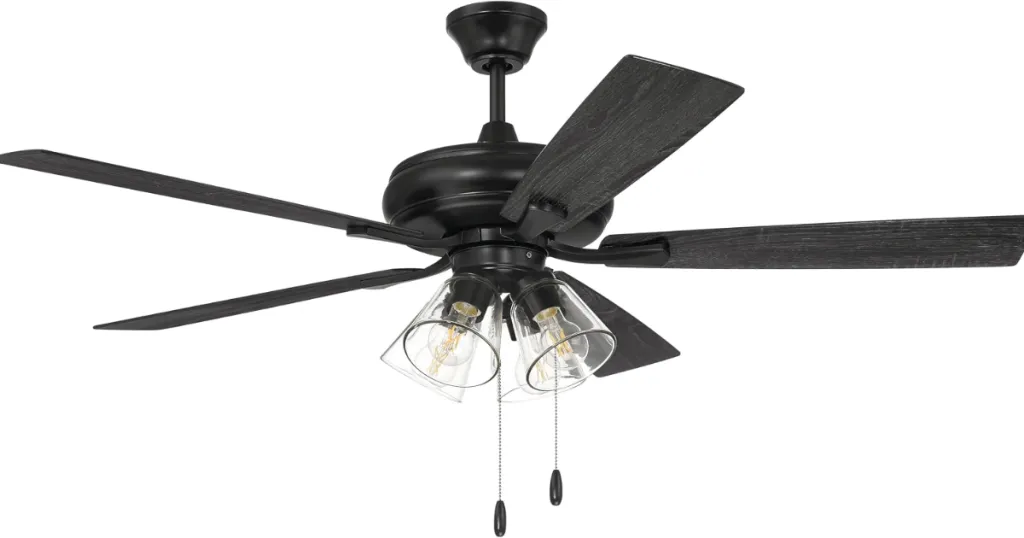
The brand is frequently favored by designers and homeowners looking for specific finishes, such as aged bronze, brushed nickel, or matte black, that match high-end hardware. They do not typically compete on volume or price-cutting strategies. Instead, they lean into a reputation for offering a wider array of styles, ranging from traditional and rustic to sleek, contemporary, and industrial designs.
In terms of market standing, they are often compared to other established lighting-focused fan brands that prioritize design cohesion. While they are not a boutique custom manufacturer, they offer a level of finish and component quality that generally exceeds mass-market, generic-label fans. This positioning makes them a reliable middle-ground choice for renovations where the fan needs to complement existing room fixtures.
From a market perspective, the brand occupies a space where the consumer expects a higher level of finish consistency. When you purchase a fan from this manufacturer, you are paying for the assurance that the metal housing, the blade finish, and the light kit assembly will look like a cohesive unit rather than a collection of disparate parts. This is particularly important in open-concept floor plans where the ceiling fan is visible from multiple vantage points in the home. By maintaining strict quality control over their finishes, they ensure that the product retains its visual appeal over time, resisting the premature fading or peeling that can plague lower-tier alternatives.
Product Line and Category Range
The product catalog for this brand is expansive, covering nearly every standard room configuration. They offer a diverse selection of blade counts, ranging from traditional five-blade designs to modern three-blade configurations that prioritize a minimalist look. This variety allows them to cater to both large great rooms and smaller, more intimate bedroom spaces.
Their range includes several motor types, including standard AC motors and more energy-efficient DC motors. The inclusion of DC motors in their newer models has allowed them to offer quieter operation and more precise speed control, which is a significant factor for homeowners concerned about noise in sleeping areas. They also provide a wide array of mounting options, including hugger fans for low ceilings and downrod-mounted fans for rooms with higher or vaulted ceilings.
Beyond the hardware itself, the brand is notable for its integration of light kits. Many of their models come with integrated LED lighting, which is designed to be both energy-efficient and aesthetically integrated into the fan body. This prevents the bulky, aftermarket look that can sometimes occur when adding a light kit to a fan that was not originally designed for one.
When selecting from their catalog, it is helpful to consider the specific ceiling height of your room. For rooms with low ceilings, their low-profile or hugger models are designed to maximize clearance while maintaining a sleek profile. Conversely, for rooms with high or vaulted ceilings, the brand offers a variety of downrod lengths and sloped ceiling adapters.
This attention to installation versatility is a hallmark of their product line, ensuring that homeowners can achieve the correct blade height for optimal airflow regardless of the room architecture. The integration of DC motor technology also provides a distinct advantage for homeowners who want to run their fans for extended periods, as these motors consume significantly less electricity while providing a wider range of speed settings.
Typical Quality Tier and Build Reputation
When evaluating the build quality, the brand generally falls into a solid, reliable tier. The motor housings are typically constructed from heavier-gauge metal compared to entry-level alternatives, which helps reduce vibration and potential wobbling during high-speed operation. This structural integrity is a key reason why they are often selected for primary living spaces where the fan will see daily use.
The blades are another area where quality is evident. They often use high-quality materials, such as solid wood, composite, or high-grade ABS plastic, depending on the intended environment. For outdoor-rated models, the brand utilizes materials designed to resist moisture and humidity, which is essential for covered porches or patios. This attention to material selection helps maintain balance and performance over the life of the fan.
The internal components, including the capacitors and wiring, are generally well-regarded for longevity. While no mechanical device is immune to wear, the brand has a reputation for using components that are serviceable and standard enough to be maintained by a professional. This makes them a practical choice for homeowners who want a product that will last for several years without requiring frequent replacement parts or complex maintenance.
A critical aspect of their build quality is the precision of the motor housing and the blade attachment points. In cheaper fans, loose tolerances at these connection points often lead to audible ticking or clicking sounds as the fan rotates. Craftmade generally maintains tighter tolerances, which results in a smoother, quieter operation. For homeowners sensitive to noise, particularly in bedrooms or home offices, this focus on mechanical precision is a significant benefit.
Furthermore, the use of high-grade ABS plastic for blades in certain models is a strategic choice, as it prevents the warping that can occur with lower-quality wood-veneer blades in humid environments. This ensures that the fan remains balanced, which in turn reduces stress on the motor and extends the overall lifespan of the unit.
Common Strengths and Weaknesses
One of the primary strengths of these fans is their design versatility. They excel at producing fixtures that look intentional, with finishes that feel premium to the touch. For homeowners who are trying to coordinate a fan with existing door hardware or cabinet pulls, the brand offers enough finish options to make that coordination possible. Their airflow performance is also generally consistent, with many models providing high CFM ratings that effectively cool larger rooms.
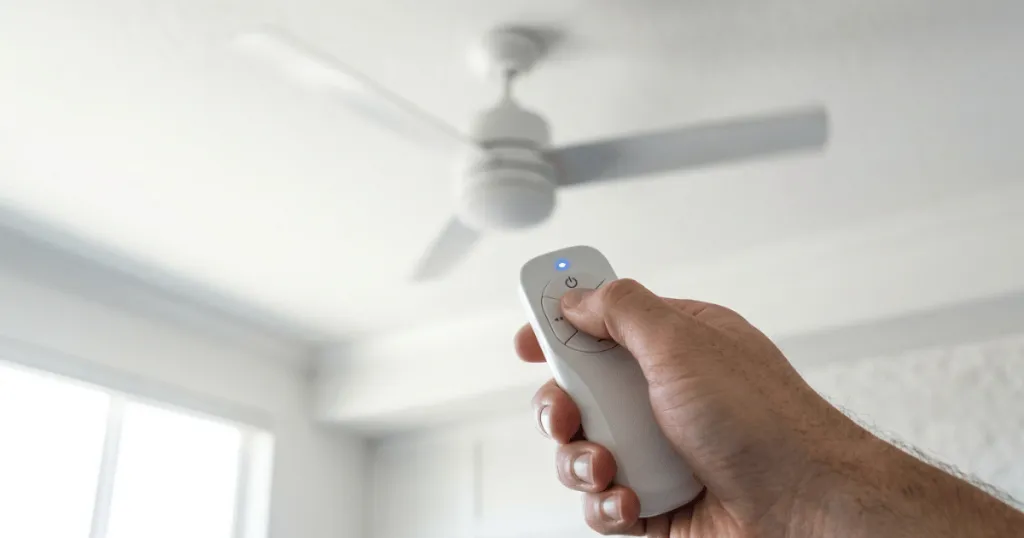
Another strength is the user experience regarding controls. The brand has invested in a variety of wall-mounted and handheld remote control systems that are generally intuitive to use. These controls often allow for dimming, speed adjustment, and reverse airflow, providing a comprehensive way to manage the room climate. The integration of these controls is usually seamless, avoiding the need for messy, external receiver boxes that can be difficult to install.
However, there are potential weaknesses to consider. Like many manufacturers in this space, the installation process can be complex for a novice DIYer. The weight of some of their higher-quality, metal-heavy models requires a secure junction box, and the wiring for integrated light kits can be tedious. If you are not comfortable with electrical work, professional installation is often recommended to ensure the fan is balanced and secure.
Additionally, while their aesthetic range is broad, some users may find that the specific style they want is only available in a limited set of sizes. If you have a very large room that requires a massive fan, you might find that your design choices are more restricted than they would be in smaller, more standard room sizes. It is always important to check the specific blade sweep and CFM output against your room dimensions before settling on a particular aesthetic.
Another potential consideration is the learning curve associated with their advanced control systems. While the remotes are generally user-friendly, the pairing process for some of the more advanced DC motor models can be slightly more involved than a traditional pull-chain fan. Homeowners should be prepared to follow the provided instructions carefully during the initial setup to ensure that the remote and the fan receiver are properly synced. If you encounter issues with the fan not responding to the remote, it is often a matter of re-pairing the devices rather than a hardware failure, but this can be a point of frustration for those expecting a plug-and-play experience.
Warranty, Support, and Ownership Considerations
Ownership of these fans is generally straightforward, but it is important to understand the warranty structure. Like most reputable manufacturers, they offer limited lifetime warranties on the motor, with shorter, time-limited coverage for the electronics and finish. This is a standard industry practice, but it is worth reading the specific documentation for your model to understand what is covered.
Support is largely handled through authorized distributors and their own customer service channels. If a component fails, the brand typically provides replacement parts rather than requiring the entire fan to be replaced. This is a significant advantage for long-term ownership, as it allows for repairs to be made without the hassle of uninstalling and reinstalling the entire unit.
When considering ownership, keep in mind that the availability of replacement parts can fluctuate. While they are a well-established brand, it is always a good idea to keep a record of your model number and purchase date. Having this information readily available will make any potential interaction with support much faster and more effective should an issue arise.
From a maintenance standpoint, the brand is relatively low-touch. Because they use high-quality finishes, a simple dusting with a soft cloth is usually sufficient to maintain the appearance of the blades and motor housing. For models with integrated LED light kits, the longevity of the light source is typically excellent, often lasting for many years without requiring a bulb change. However, if the LED module does eventually fail, it is important to verify that the specific replacement part is still available for your model. This is where the value of a reputable brand like Craftmade becomes clear, as they are more likely to support their products with replacement parts than generic manufacturers that frequently change their product lines.
Who This Brand Is and Is Not a Good Fit For
This brand is an excellent fit for homeowners who view their ceiling fan as a permanent fixture and a design element. If you are renovating a living room, bedroom, or dining area and want a fan that looks like it belongs in a professionally designed space, the brand offers the finish and style variety to meet those needs. They are also a great choice for those who value a balance between aesthetic appeal and reliable, quiet motor performance.
Conversely, this brand may not be the best fit for someone looking for the absolute lowest-cost option for a utility space, such as a garage or a basement storage room. If your primary goal is simply to move air at the lowest possible price, there are other brands that focus on basic, no-frills functionality. Additionally, if you are a DIYer who has never installed a ceiling fan before, you might find the installation process for some of their more complex, decorative models to be more challenging than a basic, lightweight unit.
Ultimately, the decision to choose this brand should be based on your specific room requirements and your design goals. If you prioritize long-term value, finish quality, and a cohesive look, they are a strong contender. If you are working on a very tight budget or need a simple, disposable solution, you may want to look elsewhere.
For the homeowner who is planning a significant home renovation, these fans provide a level of design flexibility that can help tie a room together. By selecting a model that complements the existing architectural features of your home, you can elevate the overall feel of the space. Whether you are aiming for a modern industrial look or a classic traditional aesthetic, the brand offers enough variation to ensure that you do not have to compromise on your vision. Just remember to account for the weight of the unit and the electrical requirements during the planning phase of your project to ensure a smooth and successful installation.
FAQ
Are Craftmade Ceiling Fans suitable for outdoor use?
Yes, the brand offers a variety of models specifically rated for damp or wet locations, which are suitable for covered porches and patios. Always verify the specific UL or ETL rating for the model you are considering to ensure it meets the requirements of your outdoor space.
Can I use a wall control with a remote-controlled Craftmade fan?
Many of their models are compatible with specific wall controls, but it depends on the receiver included with the fan. It is best to check the manufacturer’s compatibility list for your specific model to ensure the wall control will function correctly with the included remote system.
How do I determine the right size fan for my room?
A general rule is to choose a fan size based on the square footage of the room. For rooms up to 100 square feet, a 42-inch fan is usually sufficient. For rooms between 100 and 400 square feet, look for fans between 50 and 60 inches. For larger spaces, you may need multiple fans or a larger diameter unit.