Short Answer: No, ceiling fans do not remove humidity from the air. They are designed for air circulation and cooling through the wind-chill effect, not for dehumidification. While they can make you feel more comfortable by helping sweat evaporate from your skin, they do not lower the actual moisture content in the room.
Many homeowners assume that running a ceiling fan during a muggy day will help dry out a room. It is a common expectation that the movement of air will somehow pull moisture from the environment, leaving the space feeling less heavy and damp. However, it is important to clarify that ceiling fans do not actually remove humidity from the air. They are tools for air circulation, not dehumidification.
Understanding the distinction between how a fan works and how a dehumidifier functions is essential for managing indoor comfort. While you cannot rely on a fan to lower the actual water vapor content in your home, you can use one to change how your body interacts with that humid air. By managing your expectations, you can use your ceiling fan more effectively to maintain a comfortable living space during high-humidity seasons.
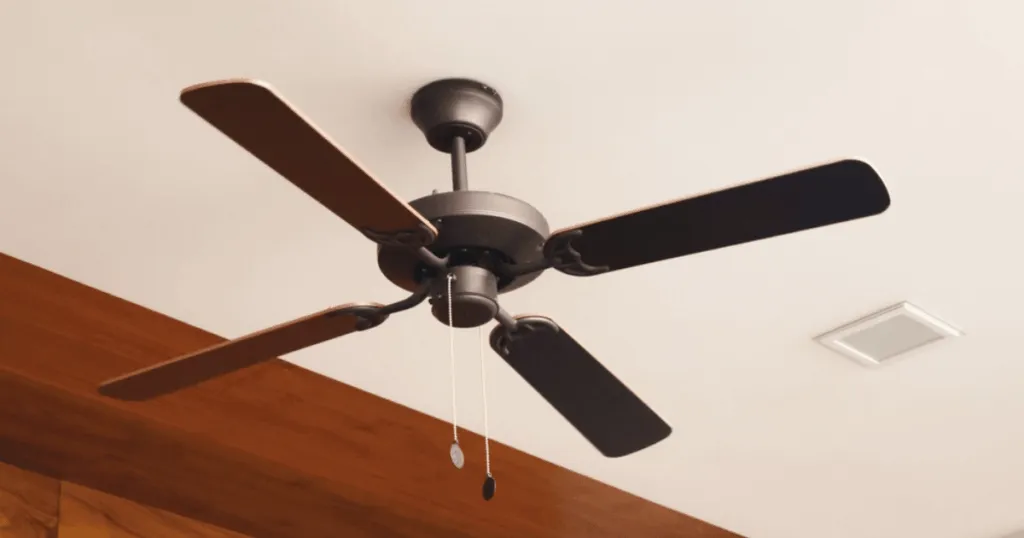
The Mechanical Reality of Airflow and Moisture
To understand why a ceiling fan cannot solve a humidity problem, we must look at what the appliance is actually doing. A ceiling fan uses rotating blades to move air across a room. This process creates a breeze, which physically pushes air molecules around, but it does not alter the chemical composition of those molecules. Humidity is a measure of water vapor suspended in the air; moving that air from one corner of a room to another does not extract the water.
When you ask, “Do ceiling fans help with humidity?” the answer is a firm no regarding the actual moisture levels. A dehumidifier, by contrast, uses a refrigeration cycle or a desiccant material to pull moisture out of the air and collect it in a tank or drain it away. A fan simply keeps the air in motion. If you have a room with 70% relative humidity, turning on a fan will result in a room with 70% relative humidity, just with more movement.
In practical terms, this means that while the air feels different, the atmospheric moisture remains constant. If you are dealing with high indoor humidity, the fan is merely redistributing the existing water vapor. This is a critical distinction for homeowners trying to manage basement dampness or bathroom moisture, where the goal is to lower the dew point rather than simply move air around.
The Wind-Chill Effect Explained
While the fan does not lower humidity, it does change your perception of temperature through the wind-chill effect. In a humid environment, your body struggles to cool itself because sweat cannot evaporate efficiently into the already saturated air. When a ceiling fan blows air across your skin, it accelerates the evaporation of perspiration, which is the body’s primary cooling mechanism.
This creates a cooling sensation that makes you feel more comfortable even if the ambient temperature and humidity levels remain identical. You are not actually lowering the humidity; you are simply making the current conditions more tolerable for your skin. This is why a fan feels effective on a hot, sticky day, even though the room remains just as humid as it was before you flipped the switch. Understanding this physiological response is key to using fans as a supplement to, rather than a replacement for, proper climate control.
Evidence Strength and Practical Limitations
The scientific consensus regarding ceiling fans is that they are comfort-enhancing devices rather than environmental control systems. There is no evidence to suggest that ceiling fans have any impact on the dew point or the absolute humidity of an indoor space. Relying on a fan to prevent mold growth or to protect moisture-sensitive items is a common mistake that can lead to property damage.
In high-humidity scenarios, the effectiveness of a fan is also limited by the ambient air temperature. If the air in the room is already very close to your body temperature, the wind-chill effect becomes significantly less noticeable. Furthermore, in extremely high humidity-approaching 90% or more-the air is so saturated that even a strong breeze struggles to evaporate moisture from your skin. In these cases, the fan may simply feel like it is pushing warm, heavy air around the room without providing any relief.
It is also important to note that in some conditions, high airflow can be counterproductive. If you are in a very humid climate and you open a window to let in a breeze, you might be introducing more moisture into the home. A ceiling fan running in a room with an open window during a rainy or humid day will simply circulate that incoming moisture more effectively, potentially making the room feel “stickier” than if the air were stagnant. This highlights the need to consider the external environment before relying on air movement as a primary comfort strategy.
Who Benefits Most from Ceiling Fan Use?
Ceiling fans are most beneficial for people living in climates where humidity fluctuates or for those who want to reduce their reliance on air conditioning during moderate days. If you are in a region where the humidity is high but the temperature is not extreme, a ceiling fan can allow you to raise your thermostat setting by a few degrees without sacrificing comfort. This is a practical way to manage energy use while staying comfortable.
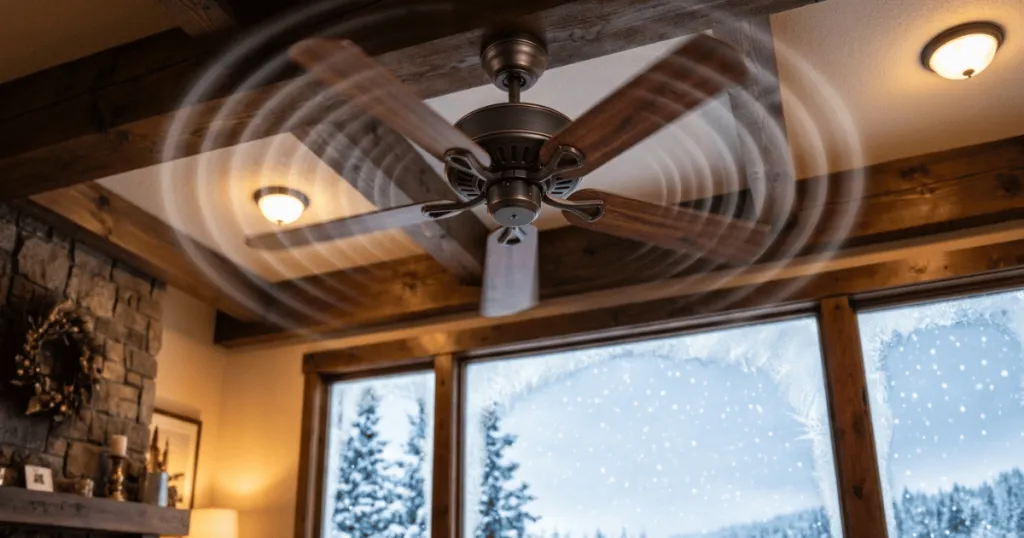
Individuals who are particularly sensitive to heat will find the most value in ceiling fans. By keeping the air moving, you prevent the formation of “dead zones” where hot, stagnant air can collect. This is especially useful in bedrooms or living areas where you spend long periods of time. The constant, gentle movement of air can make a significant difference in how you perceive the room’s environment, even when the humidity is technically high.
However, if your primary goal is to address structural humidity issues-such as damp walls, musty smells, or condensation on windows-a ceiling fan will not help. These issues require moisture control, which is the domain of dehumidifiers, improved ventilation, or addressing leaks. If you notice these signs, prioritize moisture removal over air circulation.
Common Misconceptions About Fans and Moisture
One of the most persistent myths is that ceiling fans help prevent mold by “drying out” a room. While airflow can help evaporate surface moisture, it does not remove the humidity from the air that fuels mold growth. If you have a bathroom or a basement with high humidity, a fan might help dry a wet floor, but it will not stop the air from being damp enough to support mold in hidden areas.
Another misconception is that running a ceiling fan will lower the humidity enough to make a room feel “crisp.” This is rarely the case. Humidity is a measure of saturation, and unless you are actively removing water from the air, that saturation remains. People often mistake the cooling sensation on their skin for a change in the room’s humidity level. It is a psychological and physiological response to the breeze, not a change in the room’s atmospheric properties.
Finally, some believe that fans should be run at high speeds to “push” humidity out of a room. This is ineffective because air is not being pushed out; it is being recirculated. Unless you have a dedicated exhaust fan-like those found in kitchens or bathrooms-that is actively venting air to the outside, your ceiling fan is just keeping the same humid air in the same space. Always ensure your ventilation systems are separate from your comfort-focused ceiling fans.
Strategic Integration of Fans and Climate Control
To maximize home comfort, homeowners should view ceiling fans as a complementary component of a broader environmental strategy. When used alongside air conditioning or dehumidification, fans can help distribute treated air more evenly. In a home with a central dehumidifier, a ceiling fan can assist in circulating the drier air into corners or areas that might otherwise remain stagnant. This synergy helps the entire room reach a comfortable state faster than relying on the dehumidifier alone.
Consider the placement and speed of your fan as well. In humid conditions, a lower speed is often more effective than a high speed. High-speed settings can sometimes create turbulence that feels uncomfortable rather than refreshing, especially when the air is heavy with moisture. By experimenting with speed settings, you can find the balance that provides the best cooling sensation without making the room feel like it is being overwhelmed by moving, damp air.
Ultimately, the role of a ceiling fan is to enhance thermal comfort through air movement. By understanding that it does not function as a moisture-removal device, you can avoid the frustration of expecting it to solve humidity-related problems. Instead, focus on using fans to improve airflow, reduce energy consumption by allowing for higher thermostat settings, and create a more pleasant living environment through the simple, effective application of the wind-chill effect.
FAQ
Can a ceiling fan help prevent mold growth?
No. Ceiling fans move air around, but they do not remove moisture from the air. Mold requires moisture to grow, and a fan will not reduce the humidity levels necessary to stop mold from developing in damp environments.
Should I run a ceiling fan if I have a dehumidifier?
Yes, running them together can be beneficial. The dehumidifier removes the moisture from the air, and the ceiling fan circulates that drier, more comfortable air throughout the room, helping you feel the effects of the dehumidification faster.
Does a ceiling fan make a room feel less sticky?
It can make you feel more comfortable by helping your sweat evaporate, but it does not change the actual humidity level of the room. If the air is extremely saturated, the fan may provide very little relief from the feeling of stickiness.