At a Glance: Ceiling fans typically cost between 50 and 400 dollars for the unit itself, while professional installation adds 100 to 250 dollars depending on existing ceiling wiring and structural support.
When planning a home improvement project or simply trying to replace a noisy, wobbling fixture, you might wonder how much do fans cost before browsing models online. The short answer is that a standard ceiling fan typically ranges from 50 to 400 dollars for the unit itself, while high-end designer or specialized outdoor models can easily exceed 800 dollars. However, the purchase price at the hardware store is only part of the financial picture.
Understanding what influences these price points helps you separate essential safety features from costly aesthetic upgrades. From motor engineering to smart home integration, several distinct elements dictate market value. By looking closely at these cost drivers, you can determine which price bracket matches your specific room requirements and everyday comfort goals without overspending on features you do not need.
Breaking Down the Purchase Price Tiers
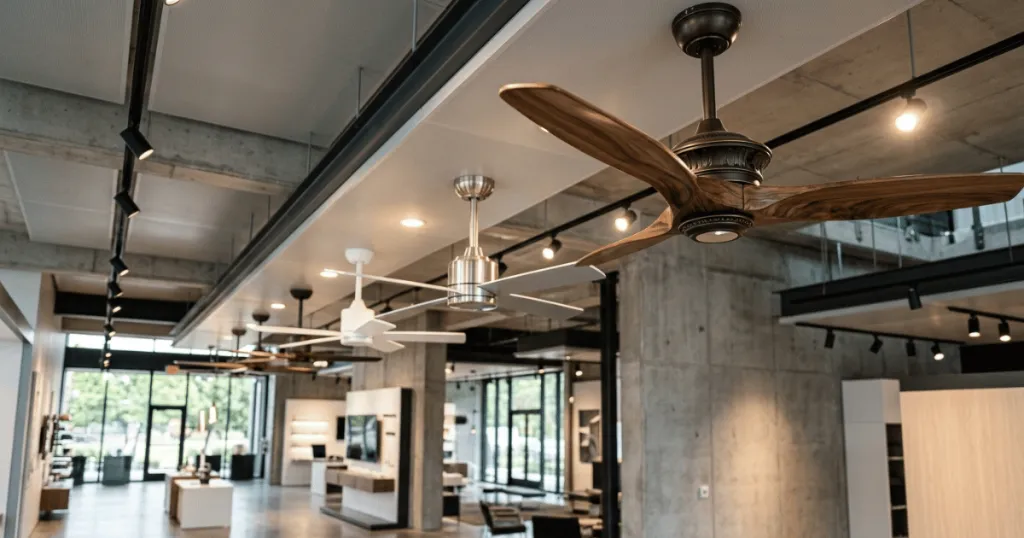
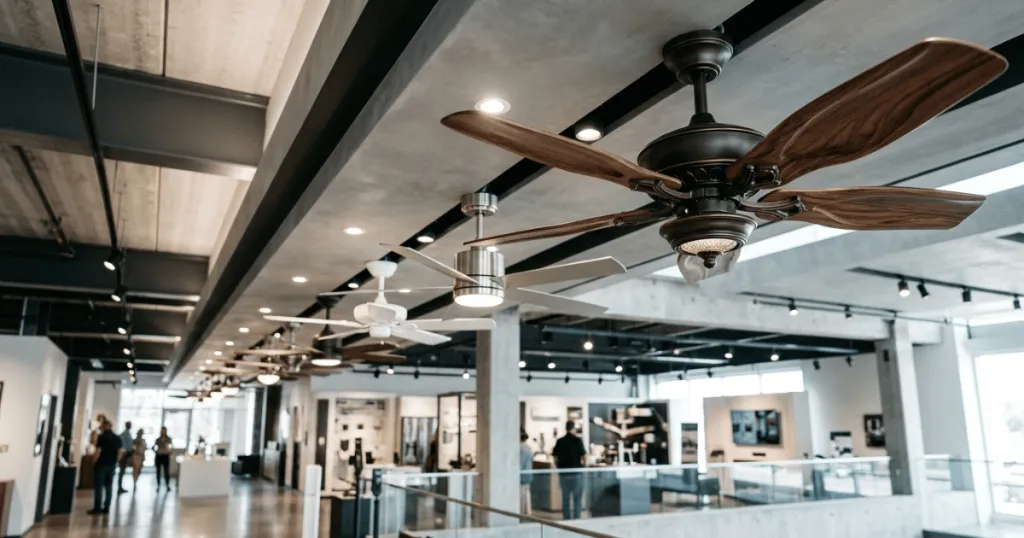
Ceiling fan pricing generally falls into three distinct tiers based on materials, engineering, and brand positioning. Entry-level models, priced between 40 and 100 dollars, usually feature stamped steel bodies, basic pull chains, and standard AC motors. These work well in spare bedrooms or utility spaces where aesthetic sophistication takes a back seat to basic air circulation.
Mid-range fixtures, spanning 150 to 350 dollars, represent the sweet spot for most residential living rooms and primary bedrooms. In this bracket, you find more durable die-cast aluminum construction, balanced wooden or composite blades, and quieter motor operation. Many models in this tier also introduce remote controls or basic wall switches, providing a noticeable step up in convenience and daily usability.
Premium fixtures exceeding 400 dollars cater to homeowners seeking architectural integration, whisper-quiet DC motor technology, and integrated LED light kits with color temperature control. These units often feature custom finishes, hand-carved solid wood blades, and marine-grade ratings for covered outdoor patios. When evaluating these options, you are paying primarily for engineering refinement, energy efficiency, and high-end design consistency.
When looking at how much do ceiling fans cost within these tiers, it helps to examine what changes beneath the housing. Entry-level fans often rely on lighter-gauge metals that can flex under high RPMs, leading to premature mechanical wear. Mid-range units step up to heavier castings and more robust blade arm brackets, which maintain proper alignment over thousands of hours of operation. Premium models invest heavily in precision-balanced armatures and custom blade weighting, virtually eliminating the mechanical vibrations that cause annoying hums or visible shaking.
Homeowners frequently ask if jumping from a 100 dollar tier to a 300 dollar tier is worth the financial stretch. In primary living spaces where the fan runs daily, the reduction in motor noise and the inclusion of reliable remote control systems easily justify the added expense. Conversely, in a guest bedroom used only a few weeks out of the year, a basic utility model provides entirely adequate functionality without draining your renovation budget.
Motor Quality and Energy Efficiency Factors
The motor remains the most critical component driving the cost of any ceiling fan. Traditional alternating current motors are inexpensive to manufacture, which keeps the retail price of budget fans low. However, AC motors tend to consume more electricity and can sometimes produce a low hum at lower speeds, which irritates noise-sensitive sleepers.
Direct current motors represent a higher initial investment but deliver significant long-term value through energy efficiency and silent operation. DC motors use magnets to drive the blades, running cooler and drawing up to 70 percent less electricity than older AC designs. While fans equipped with DC motors often sit in the higher pricing tiers, they pay back part of that initial cost through lower monthly utility bills, especially if you run them frequently during warmer months.
Airflow volume, measured in cubic feet per minute, also correlates with price. Inexpensive fans might move adequate air for a small home office, but they struggle in large, open-concept great rooms. Higher-priced motors paired with aerodynamically optimized blades move substantially more air while maintaining structural stability, reducing the risk of annoying blade wobble over years of continuous use.
Evaluating energy efficient ceiling fans requires looking past simple wattage numbers on a box. A high-torque DC motor fan can move massive volumes of air while drawing as little as 25 to 30 watts at top speed, whereas older or poorly engineered ac motor fan designs can consume 75 to 100 watts for a fraction of the performance. Over several years of continuous seasonal operation, that wattage delta translates directly into noticeable savings on monthly electric bills.
Furthermore, because a dc motor ceiling fan runs significantly cooler, internal thermal breakdown happens much more slowly, extending the operational lifespan of the fixture. When calculating how much do fans cost over their entire lifecycle, the initial purchase price is easily offset by lower energy consumption and fewer maintenance or replacement cycles.
Control Systems and Smart Home Integration
How you interact with your ceiling fan influences its overall price. Basic pull chains cost almost nothing to manufacture, keeping unit prices low. Upgrading to a hand-held remote control or a hardwired wall control adds convenience, but it introduces extra components that raise the price tag.
Modern smart home integration pushes costs further up. Fans equipped with Wi-Fi connectivity allow you to control speeds, set schedules, and adjust lighting through mobile apps or voice assistants like Alexa and Google Home. While these features add clear convenience, you must decide whether smart automation justifies a higher upfront expense for a fixture you might only adjust seasonally.
As smart ceiling fan prices continue to evolve, homeowners find themselves weighing convenience against potential points of failure. Traditional wall switch and remote control units rely on straightforward radio frequency or infrared signals that rarely require troubleshooting beyond a battery change. Smart-enabled models, by contrast, incorporate microchips and wireless receivers that can occasionally require network re-pairing after a router reset or internet outage.
If you already manage your home lighting and climate through a centralized platform, paying the premium for smart connectivity makes complete sense for unified automation. If you simply want to turn the blades on high when you walk into a room, a traditional handheld remote or wall cradle provides the same physical comfort at a much lower financial threshold.
Installation Expenses and Hidden Costs
The price of the physical fan is rarely your total out-of-pocket expense. Electrical installation costs can vary wildly depending on what already exists in your ceiling. If you are swapping an existing light fixture for a new fan and the ceiling box is already fan-rated, a DIY installation costs only your time, while hiring an electrician might run between 100 and 250 dollars.
Complications arise when the ceiling lacks adequate structural support. Ceiling fans generate continuous torque and vibration, meaning they require a heavy-duty brace box anchored securely to ceiling joists. Installing a new rated electrical box in a finished drywall ceiling often requires cutting drywall, running new wiring, or working in a tight attic space, which significantly increases labor expenses if you hire a professional.
Additional hardware expenses can also appear if you have high or vaulted ceilings. Standard downrods included in the box usually accommodate eight to nine-foot ceilings. If your room features a vaulted ceiling reaching twelve feet or higher, you will need to purchase an extended downrod and longer lead wires, adding another 30 to 100 dollars to your total budget.
When homeowners estimate ceiling fan installation cost, they frequently overlook the hidden labor realities of older residential construction. Replacing a standard overhead incandescent light box with a sturdy metal fan box in an old lath and plaster ceiling can easily turn a simple afternoon project into an expensive multi-hour electrical ordeal.
If your wiring is outdated, or if you need to run separate wall leads to control the light kit and the motor independently, professional labor rates will climb accordingly. Always inspect your existing ceiling box and wiring configuration before purchasing a new fan to avoid unexpected add-on charges from your contractor.
Why Accurate Budgeting Matters for Daily Comfort
Approaching ceiling fan purchases with a realistic budget prevents premature replacement cycles and ensures everyday satisfaction. Choosing an ultra-cheap fan for a damp porch or a high-traffic family room often results in early motor burnout, sagging blades, or unbearable noise. Conversely, buying a top-tier designer fan for a rarely used guest bedroom represents unnecessary spending.
Balancing room usage with fixture quality ensures your investment delivers reliable performance. A well-chosen mid-range fan in a primary bedroom provides quiet, dependable cooling for a decade or more. Recognizing the interplay between motor types, control features, and installation requirements allows you to allocate your funds where they genuinely impact your indoor environment.
Common Misconceptions About Fan Pricing
A widespread assumption suggests that higher prices automatically guarantee superior cooling power. In reality, a very expensive fan designed primarily for aesthetic impact might move less air than a utilitarian industrial model costing a fraction of the price. Airflow performance depends on blade pitch, motor torque, and housing design rather than decorative flourishes.
Another frequent misunderstanding involves the assumption that all fans come ready to install on any ceiling type. Homeowners are often surprised to learn that sloped ceilings require specialized mounting hardware, and standard kits will not suffice. Factoring these hardware requirements into your initial calculations prevents unexpected delays during setup.
Finally, many buyers underestimate the importance of brand warranty coverage. Extremely inexpensive, unbranded models found online often lack replacement parts or customer support. When a pull chain breaks or a receiver fails, you may be forced to replace the entire unit, whereas reputable manufacturers typically offer multi-year or lifetime motor warranties that protect your investment over the long term.