When seeking the ceiling fan best price for a residential space, the evaluation process should begin with the most critical factor: matching the mechanical output of the appliance to the specific dimensions of the room. A common pitfall is shopping entirely by the sticker price without verifying whether the unit can move enough air to make a tangible difference in daily comfort. Before examining any promotional discounts or retail markdowns, measure the square footage of the target space and check the manufacturer specifications for cubic feet per minute ratings.
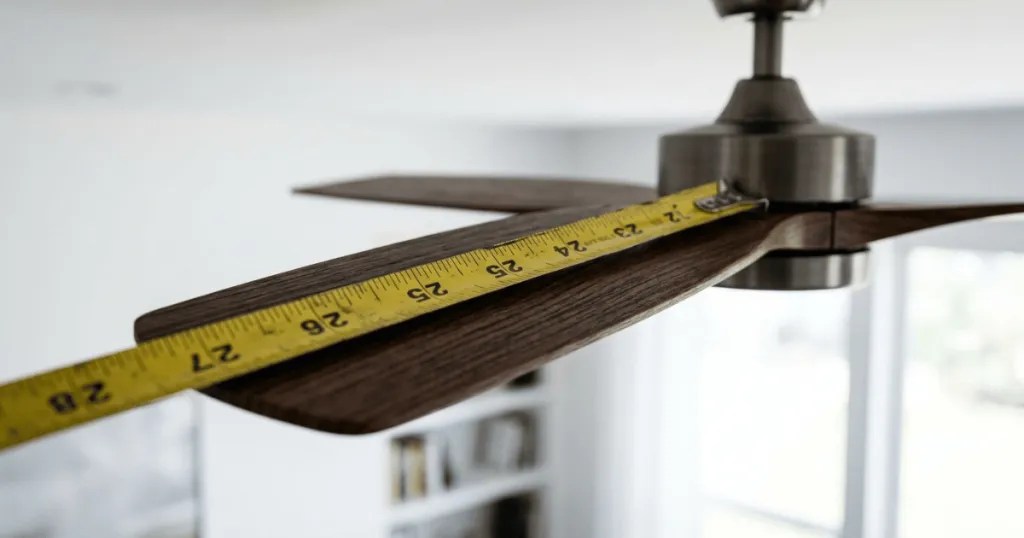
Rooms under one hundred square feet generally require a compact twenty-nine to thirty-six inch span, while standard bedrooms and living spaces between one hundred and four hundred square feet demand spans ranging from forty-four to fifty-two inches. Getting this foundational measurement right ensures that even an economical model delivers genuine cooling utility rather than merely spinning overhead without impact.
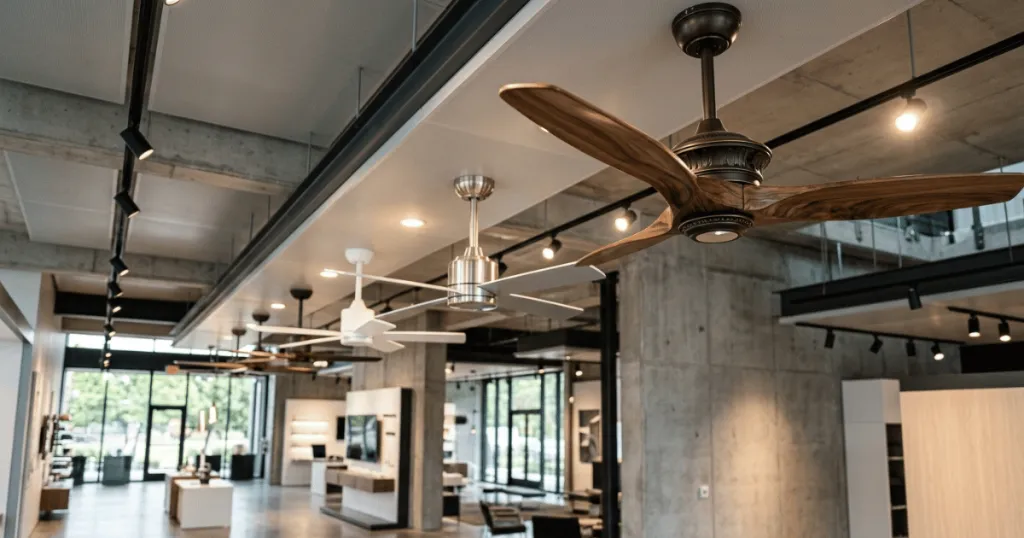
When shopping for home comfort upgrades, finding the ceiling fan best price often feels like navigating a maze of hidden costs, confusing specifications, and wildly varying build qualities. Homeowners frequently wonder why two units that look nearly identical on the showroom floor carry price tags that differ by hundreds of dollars. The truth is that pricing in this market reflects much more than just a brand name or a decorative finish. It represents a complex combination of motor engineering, blade material integrity, control system sophistication, and warranty protection that dictates how long the appliance will operate quietly and reliably overhead.
Understanding what drives these costs helps you secure the ceiling fan best price for your specific budget without ending up with a noisy, wobbly unit that requires premature replacement. By examining the structural components that separate budget models from premium fixtures, you can make an informed choice that balances upfront savings with long-term performance in real living spaces.
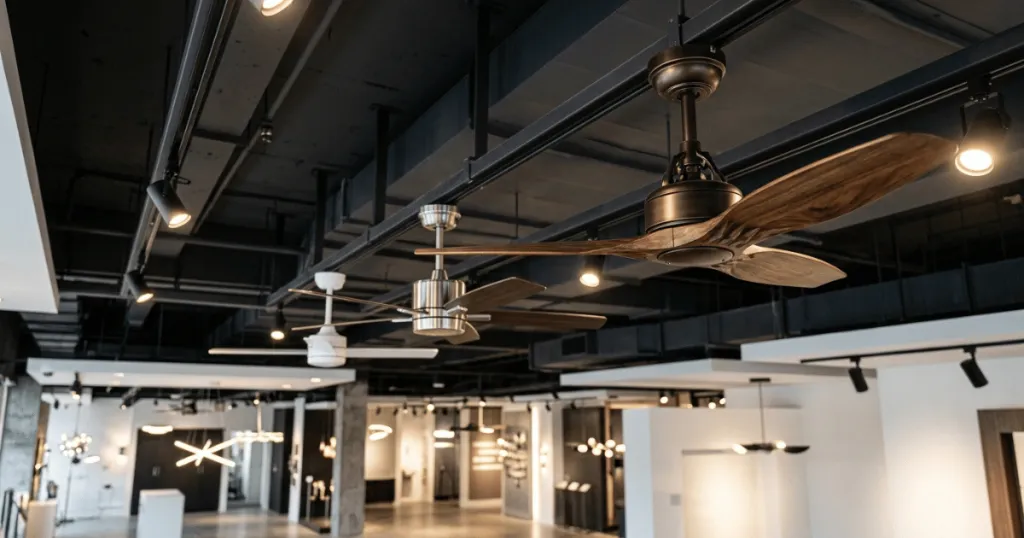
Core Factors That Shape Ceiling Fan Best Price Points
To understand the true value behind a ceiling fan best price tag, you need to examine the mechanical and electrical components hidden beneath the housing. Unlike simple lighting fixtures, these appliances are dynamic machines with moving parts that must balance perfectly at high revolutions per minute. The cost of manufacturing these systems varies widely based on engineering choices that directly impact daily operation.
Motor Engineering and Efficiency
The motor is the absolute heart of any overhead fan, and it serves as the primary driver of the final retail cost. Traditional AC motors are cheaper to manufacture, which allows entry-level models to hit attractive price points, though they tend to run warmer and consume more electricity at higher speeds. On the other hand, modern direct current or DC motors command higher prices because they utilize advanced electronic boards and permanent magnets. These advanced motors operate nearly silently, generate superior torque, and consume up to seventy percent less energy than their older AC counterparts, making them a worthwhile long-term investment despite the higher initial cost.
When evaluating motor options through the lens of ceiling fan cost, homeowners should look beyond the initial purchase sticker. An inefficient AC motor might save you money on day one, but if it runs continuously in a main living area, the cumulative electricity draw will eventually surpass the savings. Furthermore, quiet ceiling fan motors built with precision windings do not produce the low-frequency hum that often plagues cheaper stamped-steel housings. This acoustic difference matters immensely in bedrooms and quiet study areas where electrical buzzing becomes disruptive during evening hours. When assessing these options, consider how often the appliance will run and whether the motor includes thermal overload protection to prevent burnout during extended use.
Blade Materials and Aerodynamics
Blade construction plays a massive role in both the retail price and the ultimate airflow performance of the fixture. Stamped plywood and low-density fiberboard are inexpensive to produce, which keeps upfront costs low, but these materials are vulnerable to humidity warping and sagging over time. Higher-end models utilize solid hardwoods, extruded aluminum, or precision-molded ABS polymers. These premium materials maintain their structural balance through seasonal humidity shifts, preventing the annoying wobbles and blade droops that plague cheaper alternatives.
Aerodynamic efficiency is directly tied to how these blades are pitched and weighted at the factory. Inexpensive models frequently feature uneven blade weights that throw the assembly out of balance, requiring tedious balancing kits after installation. When you invest in a unit that uses properly calibrated, high-density materials, you ensure steady airflow and eliminate the mechanical stress that causes premature bearing failure. This structural integrity is a major factor when assessing affordable ceiling fans, as some budget options save money upfront by using flimsy blades that degrade rapidly in coastal or humid climates.
Control Systems and Integration
The method used to operate the fan adds another layer of complexity to the overall pricing structure. Basic pull-chain controls keep manufacturing expenses to a minimum, appealing to buyers who want simple functionality. Mid-range and premium options incorporate handheld remote controls, wall-mounted digital keypads, or smart home integration modules that connect with Wi-Fi networks and voice assistants. Each technological upgrade introduces electronic components that influence the final cost while offering greater convenience for daily use.
Beyond convenience, control systems impact installation complexity and long-term reliability. Integrated receiver units tucked inside the canopy can sometimes fail after power surges, requiring replacement parts that may or may not be covered under a limited warranty. Traditional wall switches and direct hardwiring remove these electronic points of failure entirely, offering a robust alternative for homeowners who prioritize simplicity and longevity over remote-control features. Evaluating these trade-offs ensures you pay only for features you will actually use every day.
Real-World Context and Practical Budget Scenarios
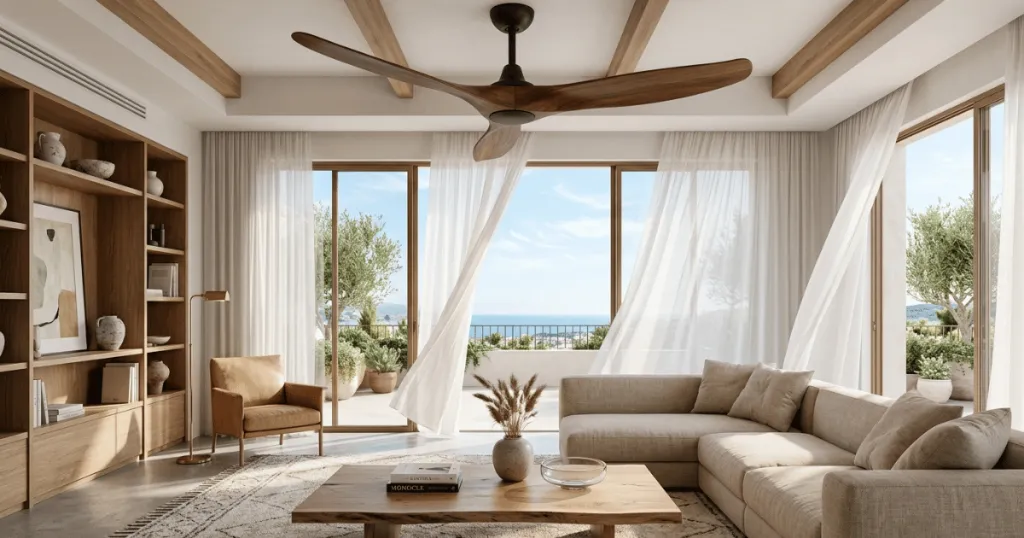
Applying pricing concepts to actual rooms requires balancing architectural constraints with comfort expectations. A budget-friendly model that works wonderfully in a guest bedroom might fail to deliver adequate airflow in a vaulted living room or a moisture-heavy covered patio. Context dictates where you should invest more financial resources and where you can safely choose a more economical route.
Consider the difference between a high-traffic family room and a rarely used home office. In a family room where the appliance runs for hours every day, prioritizing a quiet DC motor and high cubic feet per minute airflow ratings justifies a higher upfront investment. In a guest bedroom used occasionally, a standard three-speed AC motor provides plenty of comfort without straining your finances.
Ceiling height also shifts the financial equation. Rooms with standard eight-foot ceilings accommodate most standard-mount fixtures easily, avoiding the need for specialized downrods or low-profile flush mounts that add complexity and cost. Vaulted or sloped ceilings require extra hardware kits and longer downrods to ensure safe clearance and proper blade positioning, which naturally increases the total project cost regardless of the base unit price. Selecting the right mounting hardware from the start prevents costly retrofits later.
Another critical scenario involves outdoor and damp-rated installations. Choosing a standard indoor fan for a screened porch to save money is a false economy because moisture will quickly rust internal components and warp wooden blades. Selecting a wet-rated or damp-rated fixture with rust-resistant hardware ensures safety and durability, even if the initial price point is higher than an indoor-only model.
Why Balancing Cost and Quality Matters
Focusing exclusively on finding the lowest possible number on a price tag often leads to buyer remorse in the home improvement world. A poorly manufactured appliance that rattles at medium speed, hums incessantly on low, or wobbles uncontrollably will quickly become a daily annoyance. Replacing a defective unit involves either tedious DIY troubleshooting or paying an electrician for removal and reinstallation, which quickly erases any initial financial savings.
Furthermore, energy consumption over the lifespan of the fixture deserves careful consideration. An inefficient motor that draws excessive wattage will quietly inflate your monthly utility bills, compounding the true cost of ownership over a period of years. Selecting a well-engineered unit with a strong manufacturer warranty ensures that replacement parts or support are available if an electronic component fails prematurely.
When evaluating energy efficient ceiling fans, look for models featuring high CFM ratings per watt consumed. This ratio tells you exactly how effectively the appliance converts electricity into cooling airflow. Spending slightly more on a model with optimized blade pitch and motor efficiency pays dividends every month when your utility statement arrives, turning a modest upfront investment into ongoing operational savings. Keeping long-term utility expenses in mind helps frame the purchase as an investment in household efficiency rather than a simple decorative expense.
Common Misconceptions About Fan Pricing
A frequent myth among homeowners is that a higher price tag always guarantees better cooling performance. In reality, some luxury designer models command steep prices purely for their aesthetic styling, custom hand-painted finishes, or branded designer collaborations, while their internal motors and airflow capacity are identical to mid-tier functional models.
Conversely, many buyers assume that all budget-friendly options are inherently defective or unsafe. Numerous manufacturers produce reliable, basic fixtures that meet strict safety standards without decorative frills. The key is distinguishing between cosmetic luxury features that you may not need and core mechanical quality that you cannot afford to compromise.
Another widespread misunderstanding involves blade count. Many shoppers assume that models with five or six blades move more air than traditional four-blade or three-blade designs. From an aerodynamic standpoint, fewer blades often reduce drag and allow the motor to spin more efficiently, meaning that high price tags tied to heavy multi-blade designs do not automatically translate to superior cooling power.
Making Your Final Decision
When you set out to secure the ceiling fan best price for your home, start by auditing your specific room requirements rather than browsing sales circulars blindly. Measure your room dimensions, check your ceiling height, and determine whether you need integrated lighting or smart home connectivity. Prioritize motor durability and warranty coverage over decorative details, especially for primary living areas. By focusing on mechanical reliability and energy efficiency, you will secure a comfortable home environment that delivers lasting value for years to come.