Short Answer: Yes, it is normal for a ceiling fan motor to feel warm to the touch during operation. As the motor converts electrical energy into mechanical motion, it naturally generates heat. However, it should not be hot enough to cause discomfort, emit a burning smell, or produce grinding noises.
When you touch the motor housing of a ceiling fan after it has been running for several hours, you might be surprised to find it feels quite warm. Many homeowners immediately worry that their appliance is malfunctioning or nearing a dangerous failure point. The short answer to the question, can a ceiling fan overheat, is that while motors naturally generate heat during operation, they are designed to handle specific temperature ranges and should rarely reach a point of true thermal failure if they are installed and maintained correctly.
Understanding the distinction between normal operating warmth and genuine overheating is the key to managing your home comfort systems. Most modern ceiling fans are built with internal thermal protection features that automatically shut the unit down if temperatures exceed safe limits. When a fan feels hot to the touch, it is often a sign of standard energy conversion rather than an impending electrical fire. However, knowing the warning signs of a failing motor helps you distinguish between a routine performance characteristic and a genuine mechanical issue.
It is helpful to view the ceiling fan motor as a dedicated machine that works in tandem with the physics of your room. While the fan is a simple appliance in concept, it relies on complex electrical interactions that produce heat as a byproduct. Recognizing when this heat is a standard part of the process and when it indicates a need for maintenance is a vital skill for any homeowner looking to maximize the longevity of their ceiling fan investment.
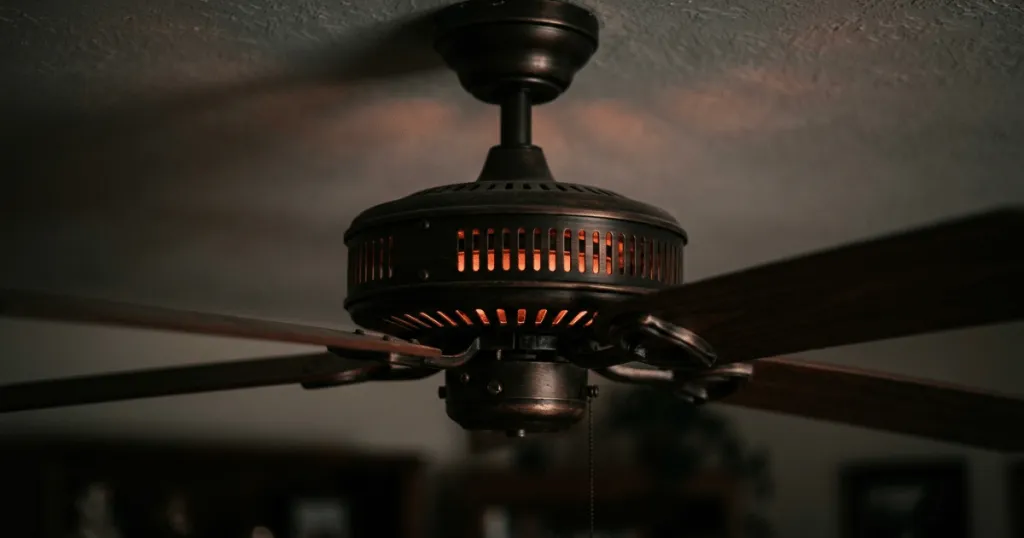
Understanding Why Ceiling Fan Motors Generate Heat
To understand why a fan might get hot, you must look at how the motor functions. Whether you have a standard AC motor or a more efficient DC motor, the process involves converting electrical energy into mechanical motion. This process is never one hundred percent efficient, meaning a portion of that energy is inevitably lost as heat. This is a fundamental physical property of electric motors, not a defect in your specific fan.
The Role of Internal Resistance
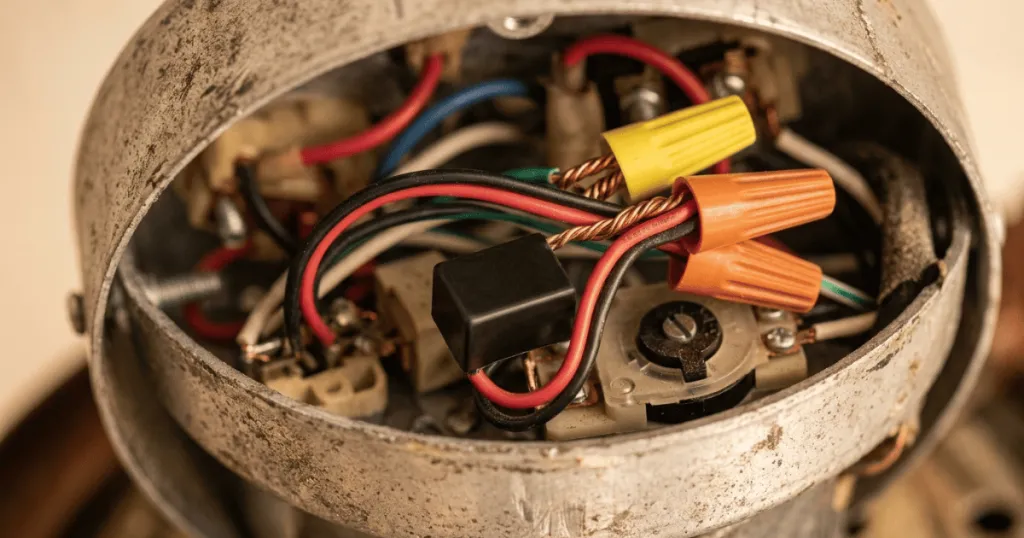
The copper windings inside the motor create electromagnetic fields that force the rotor to spin. As electricity flows through these windings, it encounters resistance. This resistance generates heat, which then dissipates through the motor housing. In a healthy fan, the housing acts as a heat sink, pulling that energy away from the delicate internal components and releasing it into the surrounding air. If the motor is undersized for the blade span, or if the internal components are aging, this resistance can increase, leading to higher operating temperatures.
Environmental and Operational Factors
External conditions play a significant role in how hot a motor becomes. If a fan is installed in a room with poor ventilation or high ambient temperatures, the motor has a harder time shedding its own heat. Additionally, running a fan on its highest speed setting for extended periods increases the electrical load, which naturally results in higher operating temperatures compared to low or medium settings.
In homes where the ceiling fan is located in a sun-drenched room or near a heat source like a fireplace, the ambient temperature can limit the motor’s ability to cool itself, making it feel warmer than a fan in a climate-controlled, shaded space.
Real-World Context: When Warmth Becomes a Concern
In practice, most homeowners find that their ceiling fans remain warm but touchable even after all-day use. If you can comfortably hold your hand against the motor housing, the fan is likely operating within its normal parameters. The real concern arises when the heat becomes intense enough to cause discomfort or if you notice other symptoms that suggest the motor is struggling.
Signs of Potential Trouble
You should pay close attention if the fan begins to emit a burning plastic or metallic smell. This is a clear indicator that internal insulation is breaking down or that dust buildup inside the motor is scorching. Another warning sign is a persistent humming or grinding noise that changes pitch as the fan heats up. These sounds often point to failing bearings or electrical shorts that create excessive friction, which in turn causes the motor to work harder and generate more heat than it should. If the fan speed fluctuates unexpectedly or if the motor housing feels hot enough to cause a burn, you should treat this as an urgent signal to disconnect power.
The Impact of Dust and Debris
One of the most common reasons a fan runs hotter than necessary is the accumulation of dust and debris inside the motor housing. Over time, this buildup acts as an insulator, trapping heat inside the motor instead of allowing it to dissipate into the room. Regularly cleaning the fan blades is important for airflow, but ensuring the motor housing remains free of dust is equally vital for thermal management.
If you live in a dusty environment, consider using compressed air to gently clear out the motor vents once or twice a year. This simple act of preventative maintenance allows the internal cooling mechanisms to function as intended, preventing the buildup of heat that can lead to premature component failure.
Why Thermal Management Matters for Homeowners
Managing the temperature of your ceiling fan is primarily about extending the lifespan of the appliance. Constant exposure to excessive heat degrades the internal wiring insulation and can cause the motor to seize. By keeping your fan in good working order, you ensure that it remains a reliable source of air circulation for years rather than needing a premature replacement.
Furthermore, safety is a priority in any electrical installation. While modern fans are equipped with thermal fuses or thermal overload protectors, these are last-resort safety measures. Relying on them to stop a failing fan is not a substitute for proper maintenance. If you notice your fan is consistently running hot, it is better to investigate the cause, such as a loose connection or a failing capacitor, rather than waiting for an automatic shutdown.
Understanding the electrical load of your fan is also important. If you have added a light kit or are using non-compatible bulbs, you might be placing an unintended strain on the fan’s electrical system, which can manifest as increased heat.
Deep Dive: The Mechanics of Motor Cooling
It is important to understand that ceiling fan motors are not sealed units in the same way a refrigerator compressor might be. They rely on the movement of air around the housing to stay cool. This is why the design of the motor housing matters. Some manufacturers use vented housings to allow for better airflow across the internal components. If you have a fan with a decorative housing that lacks proper ventilation, it may naturally run warmer than a utility-style fan.
This does not necessarily mean it is overheating, but it does mean that the margin for error is smaller. If you are choosing a fan for a room that will see heavy use, consider models that prioritize airflow around the motor housing.
Another factor is the quality of the internal bearings. High-quality sealed bearings reduce the mechanical friction that the motor must overcome. When bearings begin to wear out, they create resistance. This resistance forces the motor to draw more current to maintain the same speed, which directly translates to increased heat generation. This is why a fan that has become noisy over time is also likely to become warmer. The heat is a symptom of the mechanical struggle occurring inside the motor assembly.
Common Misconceptions About Fan Heat
A frequent misconception is that a fan that feels hot is immediately dangerous. Many people assume that any heat output is a sign of a faulty product. In reality, a motor that is working hard to move a large volume of air will naturally be warmer than one that is idling. Another common mistake is assuming that all fans should run at the same temperature regardless of their age or design.
Older fans, particularly those with heavy-duty cast iron housings, may feel warmer because they have more mass that retains heat. Conversely, newer models with lightweight plastic or thin metal housings might feel cooler to the touch because they dissipate heat more rapidly. Comparing your fan to a neighbor’s or a different model in your home is often an inaccurate way to gauge safety. Always prioritize the specific performance of your own unit, looking for changes in behavior rather than comparing it to other appliances. If your fan has always felt warm, it is likely just its standard operating profile.
Troubleshooting and Maintenance Steps
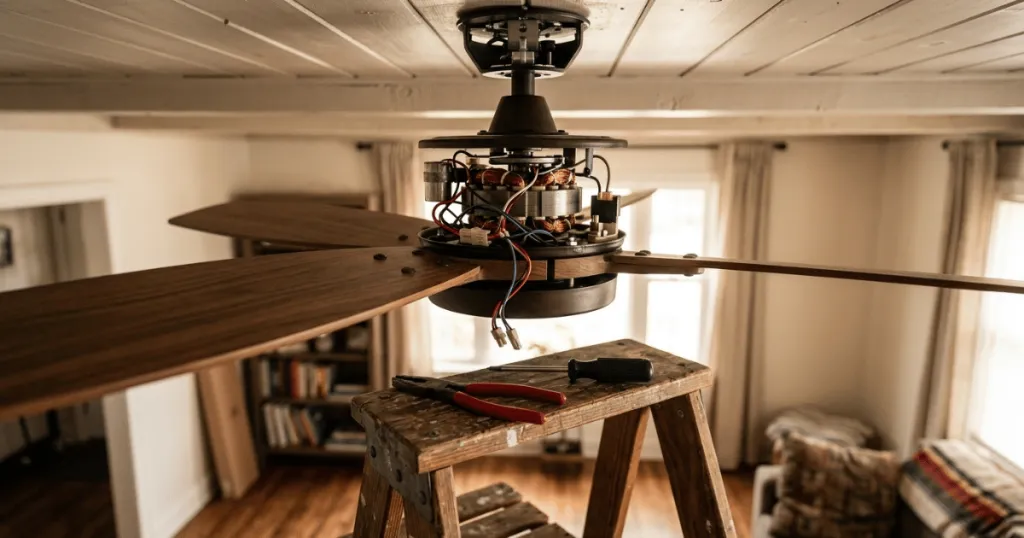
If you are concerned about the heat of your fan, start with a systematic check. First, turn the fan off and let it cool completely. Once cool, check the blades for balance. An unbalanced fan creates a wobble that puts stress on the motor and the mounting hardware. This wobble forces the motor to work harder to maintain a steady spin, which increases heat. Second, inspect the wall control or remote receiver. Sometimes, an incompatible dimmer switch can cause a motor to hum or heat up because it is not providing a clean electrical signal to the motor. Ensure that your fan is controlled by a switch designed for fan motors, not a standard light dimmer.
Finally, consider the age of the fan. Capacitors, which help start and run the motor, can degrade over time. A failing capacitor may cause the motor to struggle to reach its rated speed, leading to increased current draw and heat. If you are comfortable with basic electrical work, replacing a capacitor is a common repair that can restore a fan to its original, cooler operating state. If you are not comfortable, a professional electrician can quickly diagnose whether the heat is due to a failing capacitor or a more significant motor issue.
Conclusion: Maintaining Your Ceiling Fan
Can a ceiling fan overheat to the point of danger? It is possible, but it is rare for a well-maintained, properly installed fan to reach that state. By keeping your fan clean, ensuring it is balanced, and listening for unusual noises, you can prevent the conditions that lead to excessive heat buildup. If you ever feel that your fan is dangerously hot or if it begins to smell, the most practical step is to turn it off at the wall switch and consult the manufacturer documentation or a professional electrician to diagnose the underlying issue.
FAQ
Is it normal for my ceiling fan motor to feel warm?
Yes, it is perfectly normal for a ceiling fan motor to feel warm to the touch after it has been running for a while. The motor generates heat as it converts electrical energy into motion, and the housing acts as a heat sink to dissipate that warmth.
How can I tell if my ceiling fan is actually overheating?
You should be concerned if the motor housing is hot enough to be uncomfortable to touch, if you notice a burning smell, or if the fan is making unusual grinding or humming noises. These symptoms suggest the motor is under excessive strain or experiencing an electrical issue.
Does leaving a ceiling fan on all day cause it to overheat?
Generally, no. Ceiling fans are designed for continuous operation. As long as the fan is clean, properly installed, and the motor is in good condition, it can run for extended periods without reaching dangerous temperatures.
What should I do if I suspect my ceiling fan is overheating?
The safest approach is to turn the fan off immediately at the wall switch. Check for heavy dust buildup in the motor vents and ensure the blades are balanced. If the problem persists or if you smell burning, you should stop using the fan and contact the manufacturer or a qualified electrician for a professional assessment.