Affiliate Disclosure: As an Amazon Associate, I earn from qualifying purchases.
When homeowners search for long-term cooling solutions, Emerson Ceiling Fans often emerge as a frequent point of discussion. Known for a heritage rooted in industrial motor engineering, the brand has historically occupied a space between high-end architectural fixtures and reliable, workhorse residential cooling units. For many, these fans represent a standard of durability that prioritizes motor performance over fleeting aesthetic trends.
Deciding if this brand fits your specific room requirements involves looking past the marketing and evaluating the core components that define their longevity. Whether you are outfitting a primary bedroom or a high-traffic living area, understanding how these units handle daily operation is essential for making an informed decision that balances initial investment with long-term mechanical reliability.
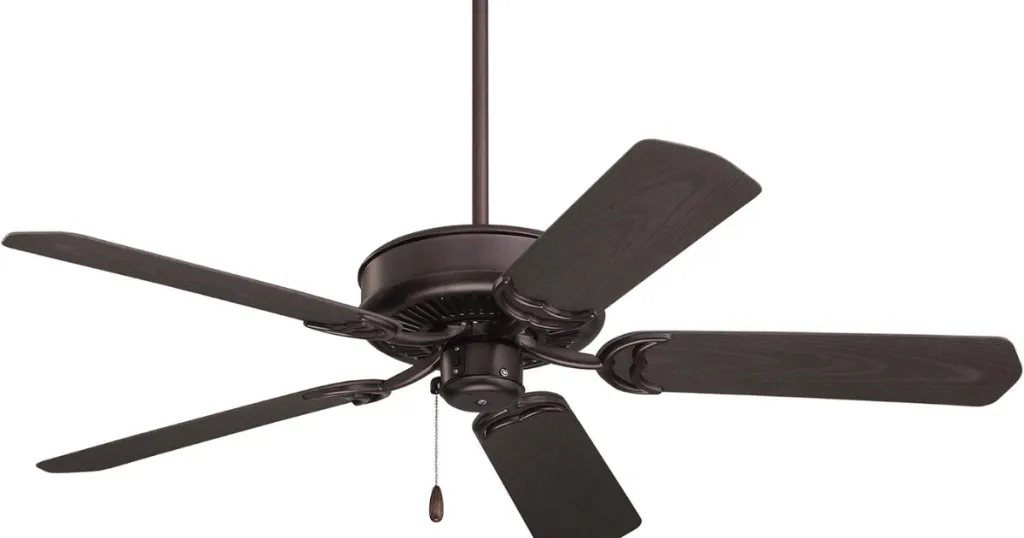
The Reputation and Market Positioning of Emerson Ceiling Fans
Emerson has long held a reputation as a legacy manufacturer in the ceiling fan industry. Their market position is characterized by a focus on motor technology and structural integrity, often appealing to homeowners who view a ceiling fan as a permanent fixture rather than a disposable appliance. Unlike brands that pivot rapidly to follow seasonal decor trends, this manufacturer has historically maintained a more conservative design language.
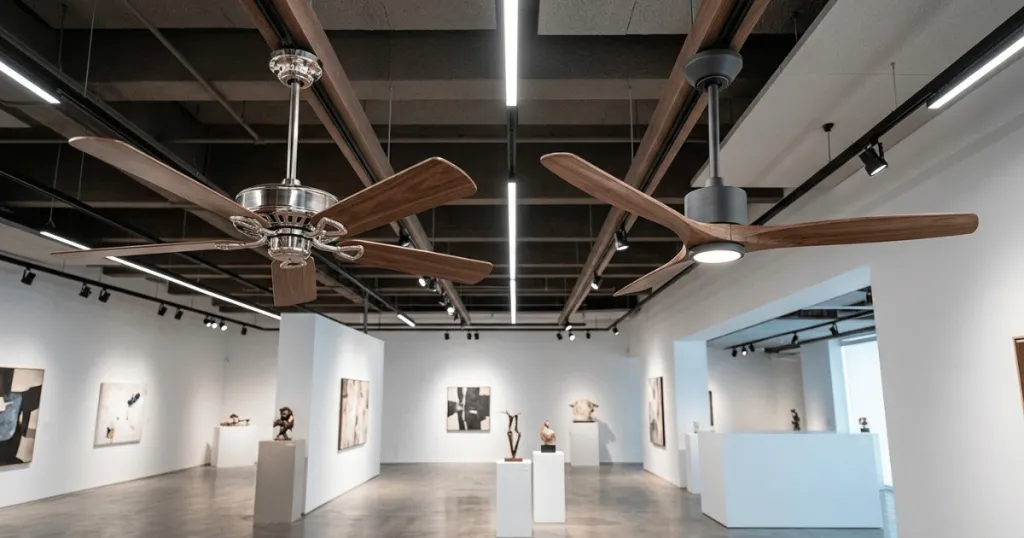
This positioning places them in the mid-to-high tier of the residential market. They are frequently selected by those who prioritize quiet operation and consistent airflow over complex smart-home integrations or ultra-modern, minimalist profiles. The brand is often associated with traditional, transitional, and classic styles that integrate well into established home layouts without drawing excessive attention to the hardware itself.
In the broader market, they are often compared to other established legacy brands that emphasize motor longevity. Their presence is particularly strong in regions where ceiling fans are considered essential, year-round climate control tools rather than occasional cooling accessories. This focus on the functional aspect of air movement has helped them maintain a loyal following among homeowners who have experienced the frustration of cheaper, motor-heavy units that develop wobbles or audible humming after only a few seasons of use.
Product Line and Category Range
The product catalog for this brand covers a wide spectrum of mounting configurations and airflow requirements. They offer traditional downrod-mounted units, which are often the preferred choice for rooms with standard or vaulted ceilings where maximum air displacement is required. These models are engineered to handle the torque and weight associated with larger blade spans, making them suitable for great rooms and open-concept living areas.
For rooms with lower ceiling heights, the brand provides a selection of hugger or flush-mount designs. These units are specifically engineered to maintain a low profile without sacrificing the motor power needed to circulate air effectively in smaller spaces like bedrooms or home offices. The engineering challenge here is balancing the proximity to the ceiling with the need for adequate air intake, a balance they generally manage well through optimized blade pitch and motor housing design.
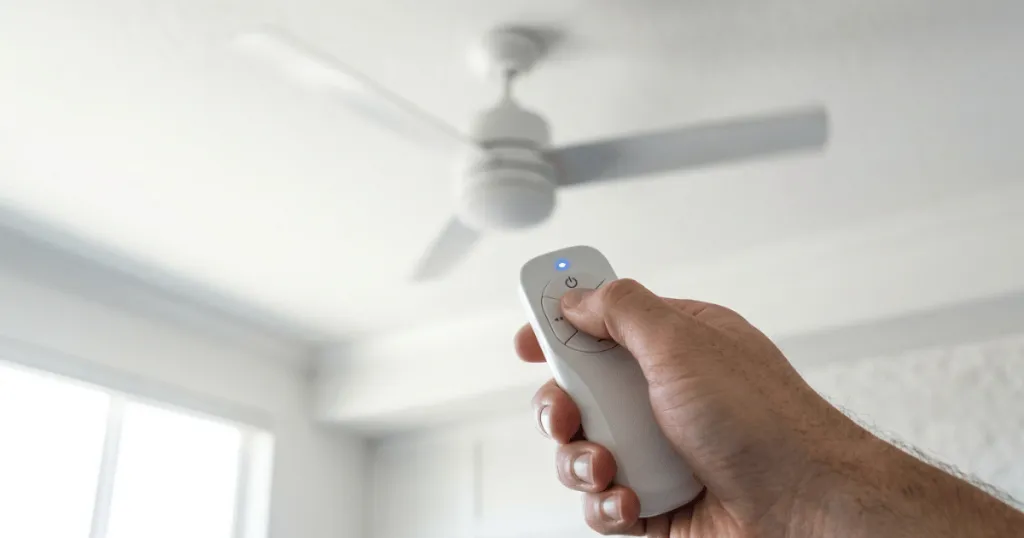
Beyond mounting types, the product line includes various control options, ranging from classic wall-mounted speed controls to handheld remotes. While some modern fans focus heavily on app-based connectivity, this brand has historically kept the focus on reliable, tactile control interfaces. This approach is often appreciated by users who prefer a straightforward, physical interaction with their cooling system, avoiding the potential connectivity issues that can plague more complex, software-dependent smart fans.
When selecting a model, homeowners should consider the specific airflow needs of the room. A large living room with high ceilings benefits significantly from a fan with a steeper blade pitch, which allows the blades to scoop more air per rotation. Emerson models often feature blade pitches optimized for efficiency, ensuring that the motor does not have to work harder than necessary to move air. This attention to detail in the blade design is a critical factor in the overall airflow efficiency of the unit.
Typical Quality Tier and Build Reputation
The build quality of these fans is generally defined by the use of robust motor housings and balanced blade sets. A hallmark of their construction is the attention paid to the internal motor components, which are designed to minimize friction and heat buildup during extended use. This focus on the motor is the primary reason many of these units remain operational for decades, provided they are installed correctly and maintained according to basic manufacturer guidelines.
The materials used in the blades and housings reflect a focus on structural stability. Whether using high-grade plywood, molded composites, or metal, the components are typically weighted to prevent the common issue of blade drooping or warping over time. This structural rigidity is a significant factor in their reputation for quiet performance, as a stable, balanced fan is far less likely to develop the mechanical rattles that often signal the end of a cheaper unit’s lifespan.
Finishes are another area where the build quality is evident. The coatings applied to the motor housings and blade brackets are designed to resist the environmental factors that can lead to corrosion or fading, even in humid climates. While no finish is entirely immune to the effects of time and cleaning agents, the durability of these components is generally higher than what is found in entry-level, big-box store alternatives, justifying the investment for many homeowners.
Furthermore, the internal wiring and electrical hardware within the motor housing are typically shielded and organized to prevent short circuits or loose connections. This attention to detail during the manufacturing process reduces the likelihood of electrical humming, which is a common complaint with lower-quality fans. When a fan is built with high-quality copper windings and precision bearings, the result is a smoother rotation that remains quiet even at higher speeds.
Common Strengths and Weaknesses
The primary strength of these fans is undoubtedly their motor reliability. Users frequently note that the fans maintain their speed and silence even after years of continuous operation. This is largely due to the consistent torque provided by their motor designs, which allows the fan to move significant volumes of air at lower RPMs, thereby reducing both noise and mechanical wear.
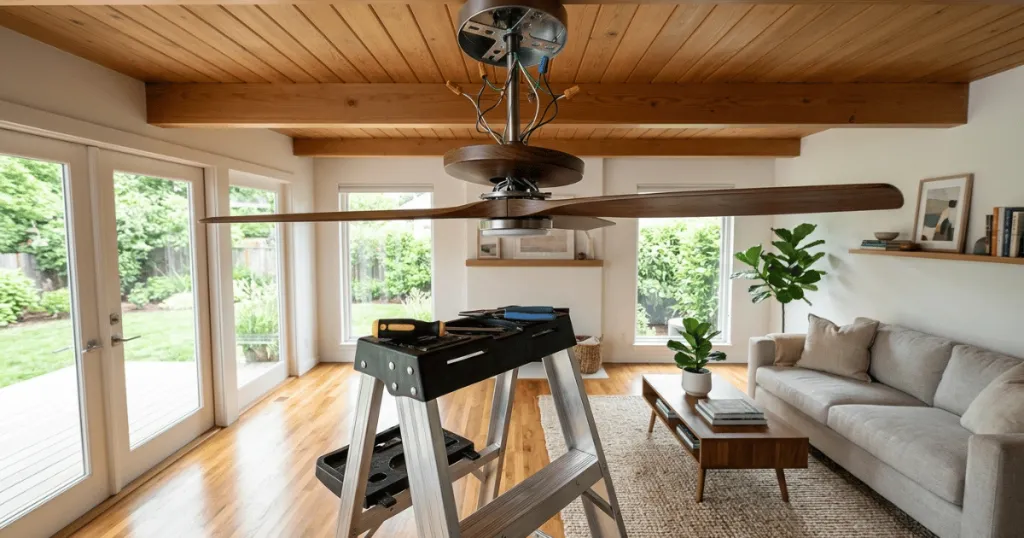
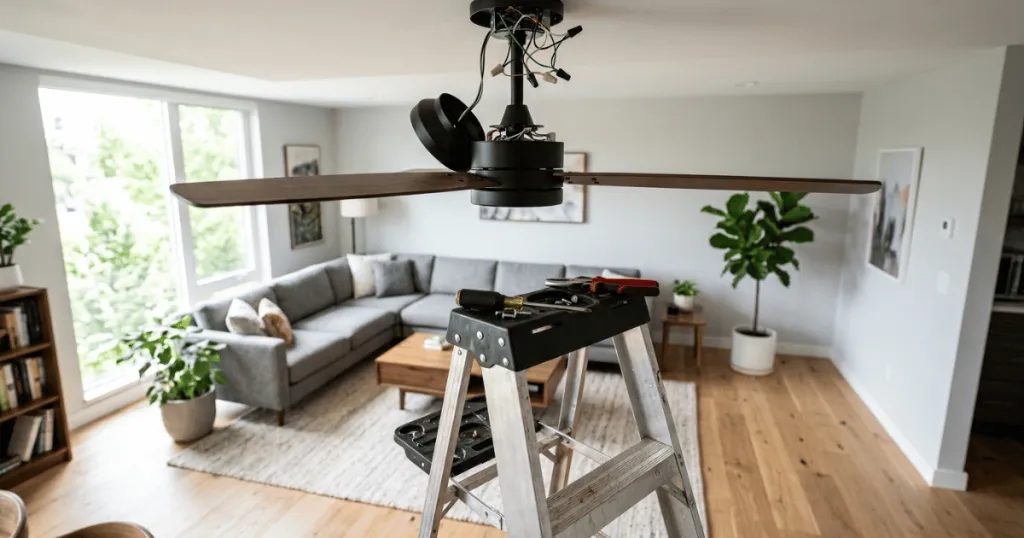
Another notable strength is the ease of installation for those familiar with standard electrical work. The mounting brackets and hardware are typically well-engineered, allowing for a secure connection to the junction box. This stability is crucial for long-term safety and performance, as a poorly mounted fan will inevitably develop issues regardless of the quality of the motor inside the housing.
However, there are trade-offs to consider. One common critique is that the design aesthetic can feel somewhat dated compared to contemporary, ultra-sleek models. If your goal is to make the fan a central, modern design statement in a room, you may find the selection somewhat limited. The focus remains on functional, classic silhouettes that prioritize air movement over avant-garde visual impact.
Another point to consider is the availability of replacement parts or specific accessories. While the fans themselves are durable, the industry moves quickly, and finding a specific replacement remote or a matching light kit for a model purchased many years ago can occasionally be a challenge. It is a common mistake to assume that all parts are universal, so verifying compatibility before attempting a repair is a necessary step for any DIY-minded homeowner.
Additionally, the weight of these high-quality units can be a hurdle for some installations. Because they often utilize heavier, more durable materials, they require a ceiling junction box that is specifically rated for fan support. Installing a heavy-duty fan on a standard light fixture box is a safety risk that can lead to ceiling damage or dangerous wobbling over time. Homeowners should always verify that their ceiling structure can support the weight of the specific model they choose.
Warranty, Support, and Ownership Considerations
Ownership of a ceiling fan from this brand typically involves a straightforward experience, provided the installation is performed correctly. The warranty coverage is generally aligned with the mid-to-high tier market, offering protection for the motor and, to a lesser extent, the other components. It is important for homeowners to retain their documentation, as proof of purchase is almost always required for any warranty-related inquiries.
Support experiences can vary, but the brand generally maintains a level of service that reflects its long-standing presence in the industry. When issues arise, they are often related to installation errors or the need for a simple replacement part like a capacitor or a receiver. Having access to clear, technical documentation is a significant advantage, and the brand is known for providing the necessary schematics to help homeowners troubleshoot their own units.
A critical consideration for the owner is the initial setup. Because these fans are built to a higher standard of weight and stability, they require a properly rated junction box. Attempting to install a heavy-duty unit on a standard lighting box is a common mistake that can lead to vibration and structural damage to the ceiling. Always ensure your electrical infrastructure is up to the task before beginning the installation process.
Regular ceiling fan maintenance is also key to preserving the life of the unit. This includes periodically tightening any screws that may have loosened due to natural vibration and cleaning the blades to prevent dust buildup. Dust accumulation on the leading edge of the blades can disrupt airflow and cause the fan to become unbalanced, leading to unnecessary noise. By keeping the blades clean and the motor housing free of debris, homeowners can ensure their fan continues to operate at peak efficiency for many years.
Who This Brand Is and Is Not a Good Fit For
This brand is an excellent fit for the homeowner who views a ceiling fan as a long-term investment in home comfort. If you value quiet, reliable air circulation and prefer a classic, unobtrusive design that will not look dated in five years, these fans are likely to meet your expectations. They are particularly well-suited for bedrooms, living rooms, and areas where the fan will see regular, daily use throughout the warmer months.
Conversely, this brand may not be the right choice for those who are strictly focused on the latest smart-home trends or highly stylized, minimalist decor. If you are looking for a fan that integrates seamlessly with complex home automation systems or features a unique, sculptural form factor, you might find the current product range too traditional. The brand prioritizes the physics of air movement over the trends of interior design.
Furthermore, if you are working with a very limited budget and view a ceiling fan as a temporary, easily replaceable fixture, the higher initial cost of these units may not be justified. While they offer superior longevity, that value is only realized if you intend to keep the fan for many years. If you move frequently or prefer to update your home’s look every few seasons, a less expensive, entry-level option might be more aligned with your practical needs.
Finally, consider the noise sensitivity of the household. If you are installing a fan in a nursery or a quiet study, the low-speed performance of these motors is a significant benefit. Because they are engineered for consistent torque, they can move air effectively at very low speeds without the clicking or humming sounds that often accompany cheaper, less precise motors. This makes them a top choice for environments where silence is just as important as cooling performance.
FAQ
Are Emerson Ceiling Fans difficult to install?
Installation is generally straightforward for those with basic electrical knowledge, provided the ceiling junction box is properly rated for the weight of the fan. Always follow the included manual for specific wiring and mounting instructions.
How do I maintain my Emerson ceiling fan?
Regular maintenance includes cleaning the blades to prevent dust buildup, which can cause imbalance, and periodically checking that all mounting screws and blade attachments remain tight.
Can I use a smart home controller with an older Emerson fan?
While many models use traditional wall or remote controls, compatibility with third-party smart controllers depends on the specific receiver installed in the fan. It is best to check the manufacturer documentation for your specific model.