Affiliate Disclosure: As an Amazon Associate, I earn from qualifying purchases.
When researching cooling solutions for your home, you will likely encounter Westinghouse Ceiling Fans as a prominent option in the mid-tier market. This brand is widely recognized for offering accessible, functional designs that prioritize utility and affordability over high-end luxury features or avant-garde aesthetics. Homeowners often turn to this manufacturer when they need a reliable, standard-sized fan for bedrooms, kitchens, or living areas without the premium cost associated with boutique lighting or designer hardware brands.
It is important to understand that these fans are generally positioned as entry-level to mid-range appliances. They are not typically designed for high-performance industrial airflow or cutting-edge smart home integration, but they excel at providing consistent, basic air circulation for residential spaces. If you are looking for a straightforward, no-nonsense cooling solution that blends into a variety of interior styles, this brand warrants consideration. However, those seeking specialized features or whisper-quiet motors for high-end master suites may find their needs better met by other manufacturers.
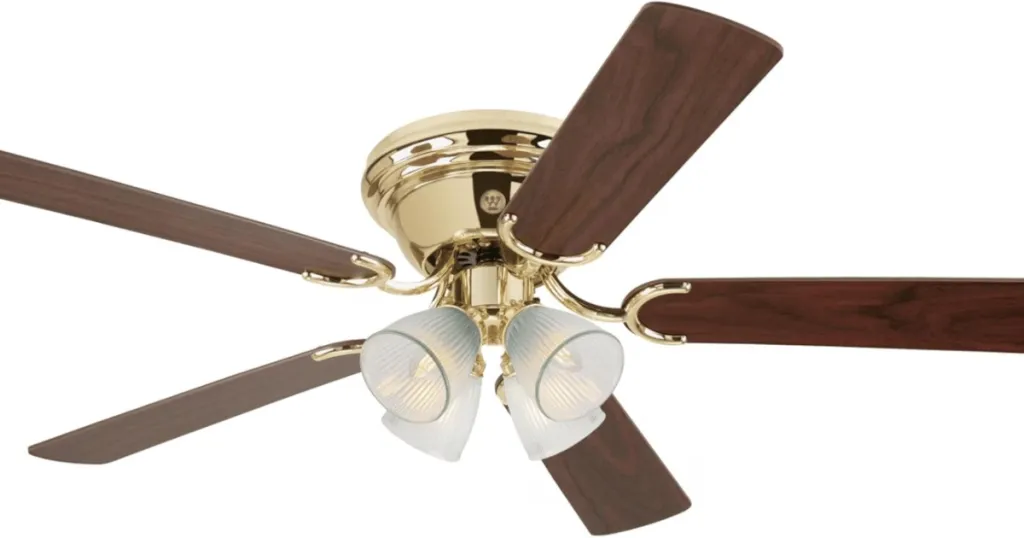
Understanding the Market Position of Westinghouse Ceiling Fans
Westinghouse occupies a distinct niche in the residential fan market. They are primarily known for high-volume, accessible distribution, making their products available through a wide array of hardware retailers and online platforms. This availability is a double-edged sword: it makes replacement parts and new units easy to find, but it also means the brand is often associated with mass-market production rather than artisanal craftsmanship.
From a market positioning standpoint, the company focuses on the practical homeowner. Their catalog does not aim to lead in technological innovation or experimental design. Instead, they focus on established, proven silhouettes that have remained popular for decades. This conservative approach to design helps ensure that their fans remain relevant in traditional, transitional, and casual home environments without feeling dated or overly specific to one design trend.
The brand effectively competes on value. By focusing on standard motor sizes and common mounting configurations, they keep manufacturing costs manageable. For the average homeowner, this translates to a fan that performs its primary task-moving air-reliably for a reasonable price point. They are rarely the primary choice for architects or interior designers working on high-end custom homes, but they are a staple in the residential renovation and replacement market where budget and basic functionality are the primary drivers of the decision.
Product Line and Category Range
The product range for this brand is extensive, covering nearly every standard room application. You will find a heavy emphasis on traditional and transitional styles, with a significant portion of their catalog dedicated to fans that include integrated lighting. This focus on dual-purpose fixtures-providing both light and air-is a common requirement for bedrooms and living rooms where ceiling space is limited.
Their mount types are equally standard, focusing on the needs of typical residential construction. You will find a wide selection of downrod-mount fans suitable for standard or vaulted ceilings, as well as flush-mount or hugger-style fans designed specifically for rooms with lower ceiling heights. This attention to physical constraints is a strength, as it allows homeowners to find a compatible unit regardless of whether they have eight-foot ceilings or taller, sloped roof lines.
In terms of finishes, the brand offers a predictable but comprehensive palette. You can expect to find standard metallic finishes like brushed nickel, oil-rubbed bronze, and white, alongside various wood-tone blade options. While they do not typically offer the extensive custom finish programs seen in luxury brands, the variety is sufficient for most home color schemes. The blade counts also follow conventional patterns, with three, four, and five-blade configurations being the most common, each balanced for standard airflow expectations.
Quality Tier and Build Reputation
When evaluating the build quality of Westinghouse Ceiling Fans, it is helpful to categorize them as reliable utility appliances. The motors are generally standard AC (alternating current) induction motors, which are known for their longevity when properly installed and maintained. While they may not offer the extreme energy efficiency or precision speed control of modern DC (direct current) motors, they are well-understood by electricians and DIY installers alike.
The materials used in construction reflect the brand’s focus on value. You will find a mix of stamped steel, die-cast zinc, and medium-density fiberboard (MDF) blades. These materials are industry standards for this price bracket. While they lack the premium feel of solid wood or heavy-duty aluminum, they are durable enough for everyday indoor use. The fit and finish of the housing units are generally consistent, though users should expect to perform careful assembly to ensure the fan remains balanced and quiet during operation.
A common point of focus for build quality is the installation hardware. The mounting brackets and canopy systems are designed for standard junction boxes, which simplifies the installation process for most homes. However, the quality of the included hardware, such as screws and wall controls, can vary. Many experienced installers recommend ensuring that the ceiling junction box is properly rated for the weight of the fan before beginning, as this is a critical safety step that is often overlooked in residential settings.
Common Strengths and Weaknesses
The primary strength of this brand is its predictability. Because they produce a high volume of standard units, the design and assembly processes are well-refined. Homeowners who prefer a simple, reliable fan that does not require a steep learning curve or complex setup will find these units very approachable. The availability of parts, such as replacement glass shades or blade sets, is also a significant advantage for long-term ownership.
Another strength is the breadth of their catalog regarding room-specific needs. Whether you need a small, high-velocity fan for a compact home office or a large, multi-blade fan for a spacious great room, the brand has a model that fits the physical requirements. Their adherence to standard sizes means that if a unit ever needs to be replaced, finding a new fan with the same mounting pattern is often straightforward.
On the side of weaknesses, noise sensitivity is the most common concern. Because these fans use standard AC motors, they can produce a low-level hum or mechanical sound, especially at higher speeds. While this is normal for many fans in this category, it may be noticeable to those who are particularly sensitive to noise in quiet environments like bedrooms. Proper installation, including the use of dampening pads, is essential to mitigate these sounds.
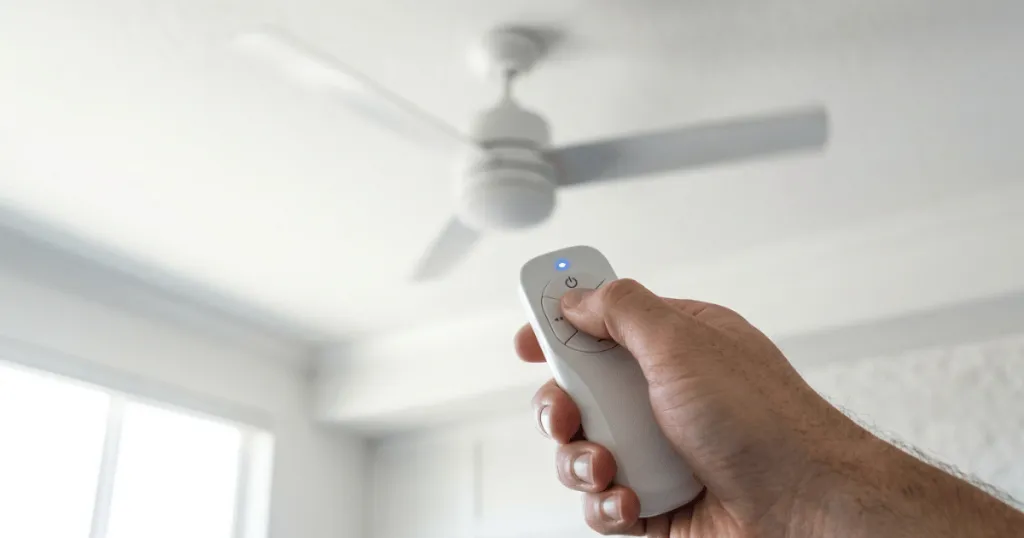
Another potential drawback is the lack of advanced control options. While many models are compatible with universal remote kits, the base units often rely on pull chains or wall switches. For homeowners looking for smart home integration, voice control, or automated scheduling, these fans may require additional aftermarket accessories, which can complicate the installation and add to the overall cost. If integrated smart features are a priority, you may find yourself needing to look for specific models that explicitly support these technologies.
Warranty and Ownership Considerations
Ownership of a Westinghouse ceiling fan is generally straightforward, but it requires an understanding of standard warranty practices. The brand typically provides a limited lifetime warranty on the motor, which is the most critical component of the fan. This is a standard industry practice that provides a good level of security for the homeowner, as the motor is the least likely part to fail prematurely.
The warranty coverage for other components, such as light kits, switches, and finishes, is usually much shorter, often limited to one or two years. This is a crucial distinction for the buyer to keep in mind. If a light component or a remote receiver fails after the initial period, it is often treated as a maintenance item rather than a manufacturing defect. This is why the brand’s reputation for part availability is so important; even if a component is out of warranty, you can often source the necessary replacement parts to keep the fan in service.
From a maintenance perspective, these fans are low-effort. Regular cleaning of the blades to remove dust buildup is the most important task to maintain balance and airflow efficiency. If the fan begins to wobble or make unusual noises, it is almost always a result of loose hardware or an unbalanced blade set rather than a motor defect. A quick check of all mounting screws and blade attachments usually resolves these issues, making the fan a low-maintenance addition to the home.
Who This Brand Is and Is Not a Good Fit For
Westinghouse Ceiling Fans are an excellent fit for the practical, budget-conscious homeowner who views a fan as a functional appliance rather than a statement piece. If you are renovating a home, updating a rental property, or simply need to add air circulation to a room without a significant investment, this brand offers a high level of utility. Their fans are particularly well-suited for DIYers who are comfortable with standard electrical work and want a product that is easy to install and maintain.
Conversely, this brand is likely not a good fit for those seeking high-end aesthetics, custom finishes, or whisper-quiet operation in a silent home environment. If your goal is to create a luxury master suite or a high-tech smart home, you may find the brand’s offerings too basic or limited. Additionally, if you are looking for a fan with a unique, modern, or artistic silhouette, you might find the catalog to be somewhat traditional or conservative.
Ultimately, the decision to choose this brand should be based on your specific room requirements and your expectations for the appliance. If you prioritize reliability, ease of installation, and a reasonable price, Westinghouse Ceiling Fans are a solid choice. If you prioritize cutting-edge technology, silent motor operation, or designer-level aesthetics, you may be better served by exploring other manufacturers that specialize in those specific areas. By matching your needs to the brand’s strengths, you can ensure a successful and comfortable installation in your home.
FAQ
Are Westinghouse Ceiling Fans easy to install for a DIYer?
Yes, they are generally designed for standard residential installation. Most models use common mounting systems that are compatible with standard ceiling junction boxes, making them a frequent choice for DIY projects.
Do Westinghouse Ceiling Fans come with smart home features?
Most standard models do not include built-in smart home technology. However, many are compatible with universal remote kits or smart wall switches that can be added to provide basic control functionality.
How does the motor warranty work for these fans?
The brand typically offers a limited lifetime warranty on the motor, which covers defects in materials and workmanship. Other components like light kits and finishes usually have a much shorter warranty period.