Affiliate Disclosure: As an Amazon Associate, I earn from qualifying purchases.
When you are looking for a cooling solution that balances aesthetic refinement with functional performance, Monte Carlo Ceiling Fans often appear as a primary contender. Known for a design-forward approach that leans heavily into contemporary, transitional, and industrial styles, this brand has carved out a specific niche in the residential market. Homeowners frequently turn to these fans when they want a statement piece that does not sacrifice airflow efficiency or motor reliability.
Understanding whether Monte Carlo Ceiling Fans are the right choice for your specific room requires looking past the visual appeal. We examine the brand through the lens of long-term ownership, focusing on motor technology, build materials, and the practical realities of installation in various ceiling heights and room configurations. This review aims to provide the clarity needed to determine if their product line aligns with your expectations for everyday comfort and durability.
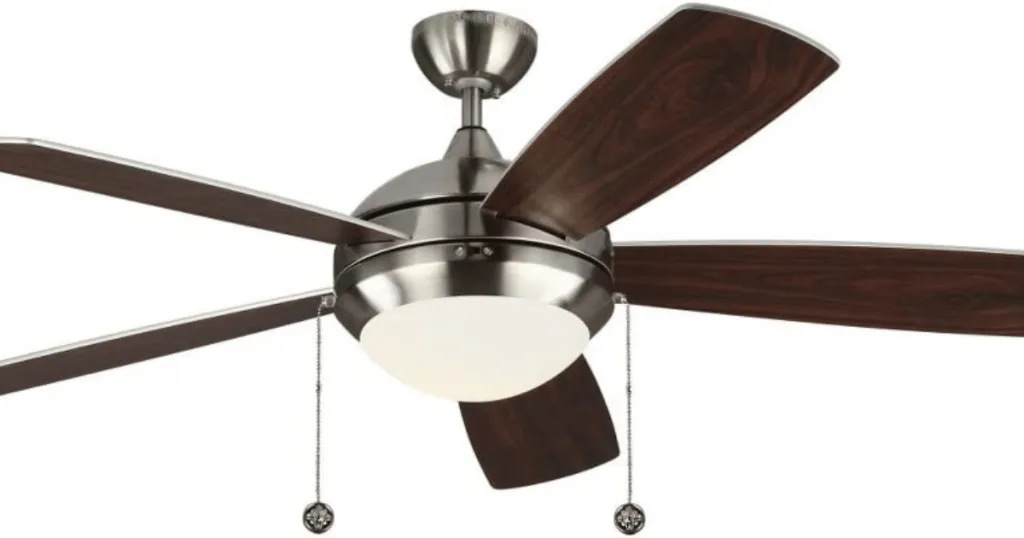
Understanding the Market Position of Monte Carlo Ceiling Fans
Monte Carlo occupies a mid-to-high tier position within the residential lighting and fan industry. They are not typically positioned as entry-level, big-box store options, nor are they strictly boutique, bespoke fixtures. Instead, they sit in a space where they compete with other established manufacturers that prioritize design consistency and modern motor engineering. Their market presence is built on the idea that a ceiling fan should function as a cohesive element of interior design rather than a strictly utilitarian appliance.
The brand is widely recognized for its commitment to clean lines and architectural silhouettes. This positioning makes them a frequent choice for interior designers and homeowners who are renovating or building with a specific stylistic vision in mind. They avoid the overly ornate or traditional styles that dominated the market decades ago, opting instead for profiles that complement modern furniture and current architectural trends. This focus on style, however, is supported by a technical foundation that generally meets the demands of modern residential cooling.
From a competitive standpoint, the brand distinguishes itself by offering a wide array of finishes that are often more nuanced than standard white or brushed nickel. You will frequently find matte black, aged pewter, and mixed-material combinations that feel intentional. By focusing on this aesthetic range, they have secured a reputation as a go-to brand for living rooms, master bedrooms, and covered outdoor spaces where the fan is intended to be a visual focal point.
Product Line and Category Range
The product catalog for this brand is extensive, covering almost every standard mount type and room application. Their range includes everything from low-profile hugger fans designed for rooms with eight-foot ceilings to large-diameter fans intended for great rooms or high-vaulted spaces. This breadth allows the brand to maintain a consistent design language across an entire home, which is a significant advantage for those trying to coordinate fixtures throughout an open-concept floor plan.
One of the most notable aspects of their lineup is the inclusion of both indoor and damp-rated or wet-rated outdoor models. Many of their designs are available in multiple versions, allowing a homeowner to use a similar aesthetic on a covered porch as they do in the kitchen or dining area. This versatility is a hallmark of their product strategy, ensuring that the transition between indoor and outdoor living spaces remains visually seamless.
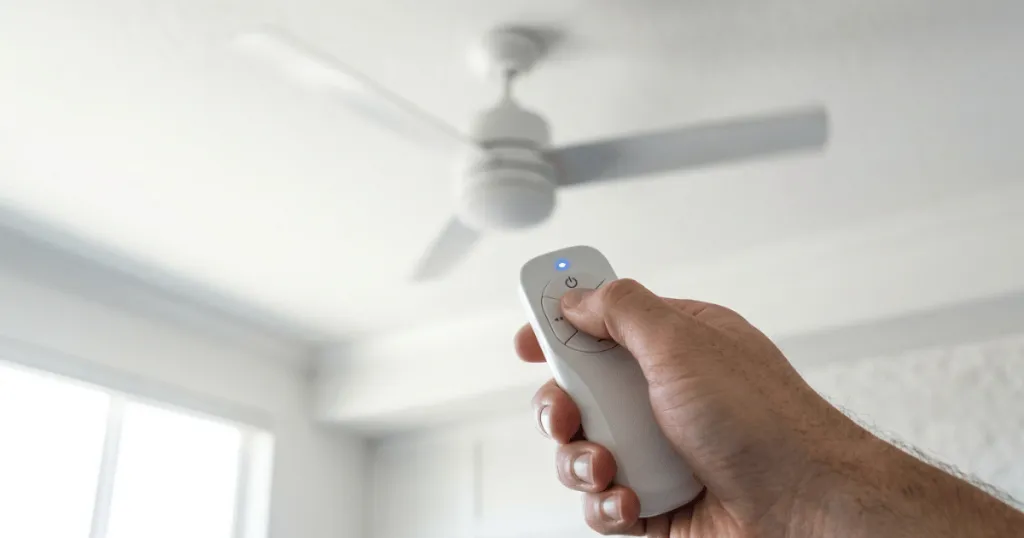
The brand also places a strong emphasis on smart technology integration and control options. While many of their models come with standard wall controls or handheld remotes, they have increasingly adopted DC motor technology across their newer collections. This shift has allowed them to offer fans that are more energy-efficient and provide a wider range of speed settings. The inclusion of these features across various price points within their catalog demonstrates a clear effort to keep their offerings relevant to the modern, tech-conscious homeowner.
Quality Tier and Build Reputation
When evaluating the build quality of Monte Carlo Ceiling Fans, it is helpful to look at the materials used in the motor housing and blade construction. The brand generally utilizes high-quality plastics, metals, and, in some cases, solid wood or composite materials for blades. The weight of the motor housing is often a good indicator of the internal components, and these fans typically feel substantial during installation, which suggests a focus on reducing vibration and noise during operation.
The motor technology is a critical component of their quality tier. By moving toward DC motors, the brand has addressed common concerns regarding energy consumption and quiet operation. These motors are inherently more efficient than traditional AC motors, allowing for a wider range of speeds and often a more responsive control experience. In practice, this means the fans can run at very low speeds for gentle air circulation without the humming or clicking sounds that can plague lower-quality units.
Blade pitch is another area where the brand demonstrates attention to detail. A proper blade angle is essential for moving air effectively, and their designs are engineered to maximize airflow without requiring high-speed, noisy operation. This balance is what separates a well-engineered fan from one that simply spins fast. While no mechanical device is immune to issues, the consistency in their manufacturing processes generally results in a reliable, long-lasting product when installed according to the provided instructions.
Common Strengths and Weaknesses
The primary strength of the brand lies in its design-to-performance ratio. Homeowners who prioritize the look of their space find that these fans integrate well with modern decor without requiring a custom-made solution. The finish quality is consistently high, and the attention to detail in the blade shapes and housing profiles is evident. For those who want a fan that looks like a high-end fixture, this brand delivers consistently.
Another strength is the quietness of their DC motor models. In bedrooms or home offices, noise sensitivity is a major factor, and the ability to run a fan at a near-silent speed is a significant benefit. The ease of installation is also frequently cited as a positive, as the mounting systems are generally well-documented and designed to be intuitive for someone with moderate DIY experience. The inclusion of clear, detailed manuals helps minimize the frustration that can occur during the assembly process.
However, there are potential weaknesses to consider. One common challenge is the complexity of the proprietary control systems. While these systems offer advanced features, they can sometimes be difficult to troubleshoot if a remote or receiver fails. Unlike universal controls, these proprietary parts may require specific replacements from the manufacturer, which can be an inconvenience if the component is not readily available. This is a trade-off that comes with the advanced motor technology found in many of their units.
Another consideration is the weight of some of the larger models. While this weight contributes to stability and reduced vibration, it also means that the mounting box must be properly rated to support the fan. A common mistake is attempting to install a heavy, large-diameter fan on a standard junction box that was not designed for the load. Always ensure your ceiling structure can handle the weight of the specific model you have chosen, as this is a safety requirement that transcends the brand itself.
Warranty, Support, and Ownership Considerations
Understanding the warranty and support structure is a vital part of the ownership experience. The brand typically offers a limited lifetime warranty on the motor, which is standard for reputable manufacturers in this segment. This coverage provides peace of mind regarding the core mechanical component of the fan. However, it is important to remember that warranties usually cover manufacturing defects rather than wear and tear or damage caused by improper installation.
Customer support is generally handled through authorized dealers or directly through the manufacturer’s service channels. Because the brand relies on a network of lighting showrooms and online retailers, the quality of support can sometimes depend on the retailer where the fan was purchased. It is always a good practice to retain your proof of purchase and the model information, as this will be required for any warranty claims or technical support inquiries down the line.
From an ownership perspective, maintaining your fan is straightforward. Cleaning the blades and checking the mounting hardware for tightness once or twice a year is usually sufficient to keep the fan operating smoothly. If you encounter issues with the remote control or the wall switch, checking the battery and the synchronization process between the receiver and the transmitter should be your first step. Most technical issues are related to these electronic components rather than the motor itself.
Who This Brand Is and Is Not a Good Fit For
Monte Carlo Ceiling Fans are an excellent fit for homeowners who view their ceiling fans as an essential part of their interior design scheme. If you are looking for a fixture that complements a modern, transitional, or industrial aesthetic, you will find a wealth of options here. They are particularly well-suited for bedrooms, living rooms, and covered outdoor areas where both style and quiet, efficient airflow are top priorities. If you are comfortable with slightly more complex control systems in exchange for better motor performance, you will likely be satisfied with the brand.
Conversely, this brand may not be the best choice for someone seeking the most budget-friendly, utilitarian option for a utility room or garage where style is irrelevant. If your primary goal is to find the absolute lowest price point, you may find that other brands offer simpler, more basic models that meet your needs without the design-focused premium. Additionally, if you are someone who prefers simple, mechanical pull-chain controls over electronic remotes or wall-mounted digital interfaces, you might find some of their more advanced models to be more complex than necessary.
Finally, if you are planning a DIY installation and are not confident in your ability to work with electronic receivers or more complex mounting systems, you should factor in the potential cost of professional help. While the instructions are generally clear, the advanced features of these fans do require a certain level of technical care during the setup process. If you prioritize simplicity and ease of installation above all else, look for models with more traditional, non-proprietary control setups.
FAQ
Are Monte Carlo Ceiling Fans compatible with standard wall switches?
Many models use proprietary remote controls or wall-mounted digital controls. While some can be integrated with wall switches, you should verify the specific model’s control requirements before installation to ensure compatibility with your existing wiring.
Do these fans work with smart home systems?
Some newer models featuring advanced DC motors are designed to be compatible with smart home integrations, but this varies by model. Always check the product specifications for connectivity features if smart home integration is a priority for your home setup.
Can I use an outdoor fan indoors?
Yes, many outdoor-rated Monte Carlo Ceiling Fans are designed with aesthetic styles that work perfectly in indoor spaces. Using a damp or wet-rated fan indoors is often a great choice for kitchens or sunrooms where humidity might be a concern.