Affiliate Disclosure: As an Amazon Associate, I earn from qualifying purchases.
When evaluating Kichler Ceiling Fans for residential use, it is helpful to view the brand as a mid-to-high tier manufacturer that prioritizes a balance between decorative aesthetics and functional air movement. They are rarely the cheapest option on the market, nor are they strictly boutique, placing them in a sweet spot for homeowners who want reliable performance without venturing into the highest price brackets of luxury custom lighting and fan manufacturers.
This positioning makes Kichler a common choice for living rooms, bedrooms, and covered outdoor spaces where the fan needs to serve as both a primary light source and a reliable comfort tool. Their reputation is built on consistent design language that often mirrors current interior design trends, ranging from modern industrial to transitional and coastal styles.
Brand Reputation and Market Positioning
Kichler has established itself as a staple in the lighting and ceiling fan industry, often appearing in showrooms and through professional design channels. Their market positioning is firmly rooted in the idea that a ceiling fan should be an integral part of a room’s decor rather than just a utilitarian appliance. This focus on design-forward engineering means they often release collections that coordinate with their wider lighting catalogs, allowing for a cohesive look across a home.
From a reputation standpoint, the brand is generally regarded as a reliable mid-market player. They do not typically compete in the ultra-budget segment, which helps them maintain a higher standard for materials and motor longevity. Homeowners often turn to them when they have already invested in other Kichler lighting fixtures and want to maintain a consistent finish and style aesthetic throughout their space.
Their market reach is broad, covering everything from simple bedroom fans to complex, multi-blade designs for large open-concept areas. Because they are widely available through authorized distributors and lighting retailers, they have a level of brand recognition that provides a sense of security for buyers who prefer established manufacturers over newer, direct-to-consumer brands that may lack a long-term track record.
Product Line and Category Range
The variety within the Kichler catalog is extensive, covering nearly every mounting configuration and room requirement a homeowner might encounter. Their product line is segmented by design style, motor type, and environmental suitability, which helps in narrowing down choices based on specific room needs.
Mounting and Size Options
Kichler offers a full spectrum of mounting types, including standard downrod, flush mount, and angled mount options. This is particularly useful for homeowners with varying ceiling heights. Their flush mount or hugger models are designed to maintain a low profile in rooms with eight-foot ceilings, while their downrod-compatible units are engineered to provide optimal airflow in rooms with higher or vaulted ceilings.
Size ranges are similarly comprehensive, spanning from compact 44-inch fans suitable for smaller bedrooms or home offices to large 70-inch-plus models designed for great rooms and expansive outdoor patios. They also provide various blade counts, ranging from traditional four-blade designs to more modern three-blade configurations that prioritize a sleek, minimalist appearance.
When selecting a size, homeowners should consider the square footage of the room and the desired air movement intensity. A 44-inch fan in a large great room will likely struggle to provide sufficient cooling, whereas a 70-inch fan in a small bedroom might feel visually overwhelming and generate excessive airflow. Kichler provides guidance on blade pitch and motor torque to help users match the fan size to the room volume, ensuring that the air circulation remains effective without creating unnecessary noise or turbulence.
Motor and Control Technology
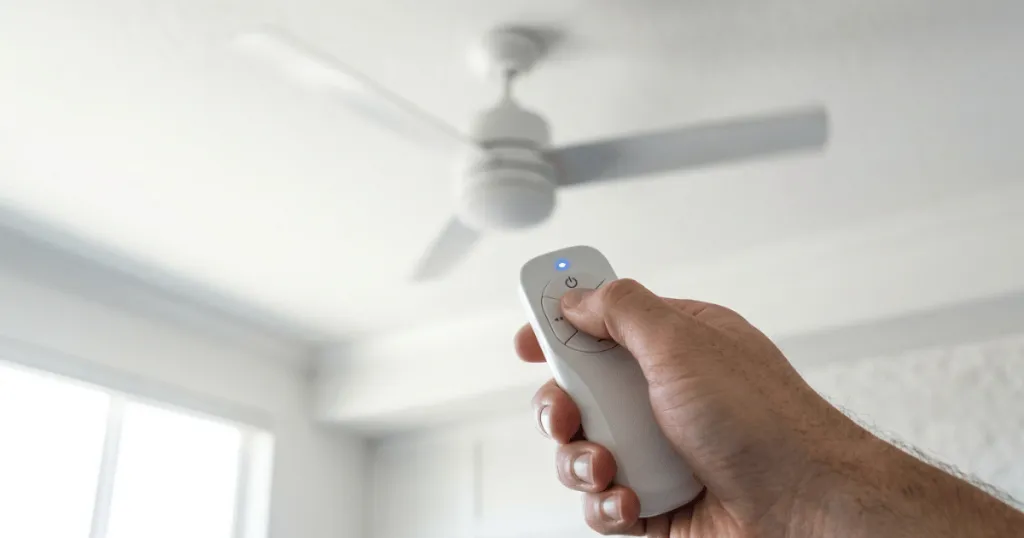
The brand has transitioned many of its newer models to DC motor technology. These motors are generally more energy-efficient and offer quieter operation compared to traditional AC motors. This is a significant consideration for bedrooms or quiet home offices where motor hum can be a distraction. They also offer a range of control options, including standard wall controls, handheld remotes, and integrated smart home compatibility on select models.
The shift toward DC motors has also allowed for more compact motor housings, which contributes to the slimmer, more modern profiles seen in their recent collections. For homeowners, this means a lower visual profile on the ceiling and a more refined aesthetic that blends better with contemporary interior design.
Typical Quality Tier and Build Reputation
In terms of build quality, Kichler generally occupies a tier that favors durability and finish consistency. While they are mass-produced, the quality control is typically more rigorous than what is found in entry-level big-box store brands. The housing materials, which often include heavy-duty steel or aluminum, are chosen to resist warping and minimize vibration during operation.
The finishes on Kichler Ceiling Fans are another area where they differentiate themselves. Whether it is a brushed nickel, oil-rubbed bronze, or a matte black finish, the application is usually consistent and designed to hold up over time. This is particularly important for their outdoor-rated models, which are subjected to moisture and temperature fluctuations.
Their damp-rated and wet-rated fans are engineered with specialized coatings to prevent corrosion and protect the internal electrical components. These finishes are tested for resistance to fading and peeling, which is a common issue in lower-quality fans installed in humid or coastal environments. By investing in higher-grade materials, Kichler aims to ensure that the fan retains its visual appeal for years, rather than showing signs of wear after only a few seasons of use.
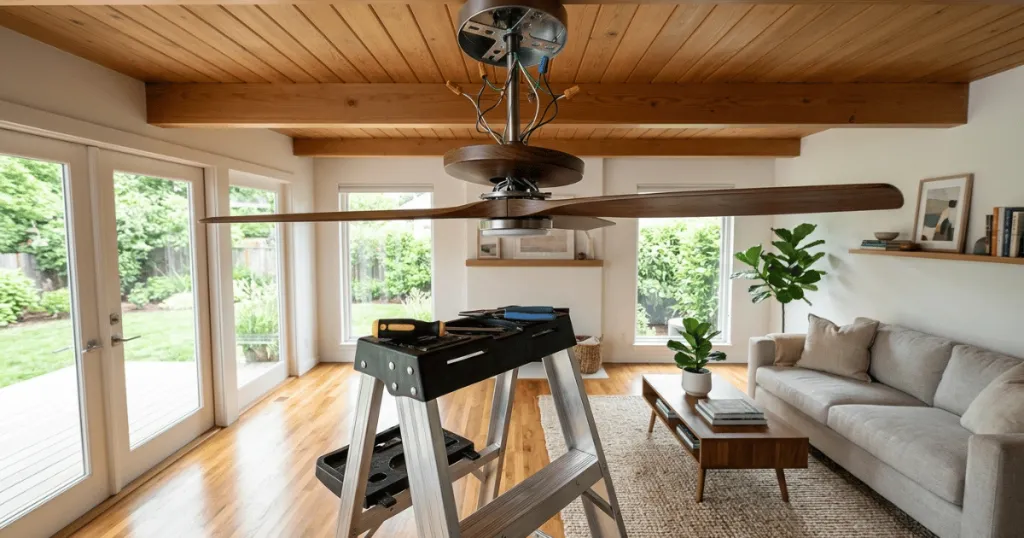
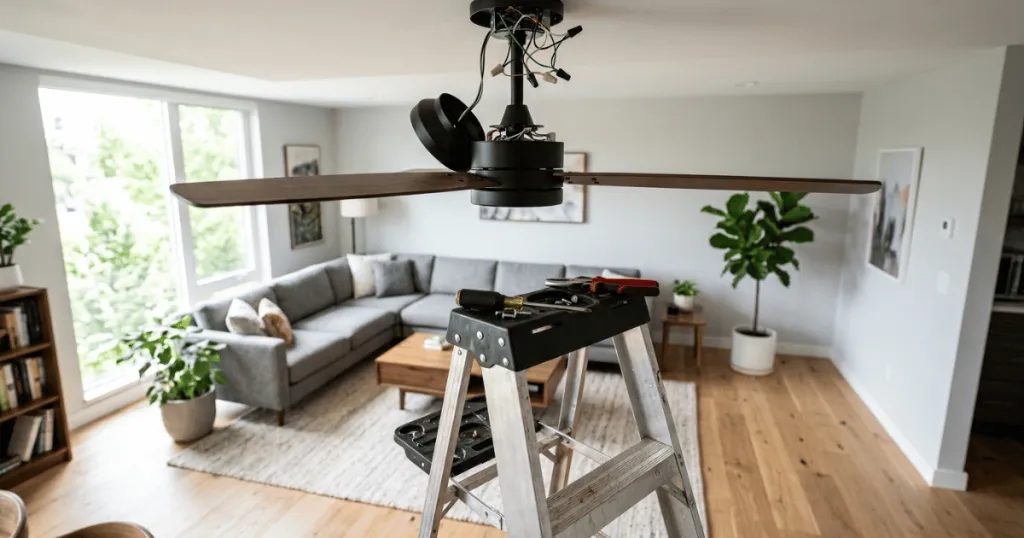
One aspect of their build that homeowners often appreciate is the ease of installation. While any ceiling fan requires careful electrical work, Kichler’s mounting systems are generally well-documented and designed with the installer in mind. Clear instructions and well-organized hardware kits can significantly reduce the frustration often associated with ceiling fan assembly and installation. The inclusion of detailed diagrams and labeled parts bags helps to streamline the process, making it more manageable for DIY enthusiasts who have basic electrical knowledge.
Common Strengths and Weaknesses
Understanding the common strengths and weaknesses of Kichler Ceiling Fans can help you manage expectations before installation. Like any manufacturer, they have areas where they excel and areas where they may face limitations depending on the specific model.
Strengths
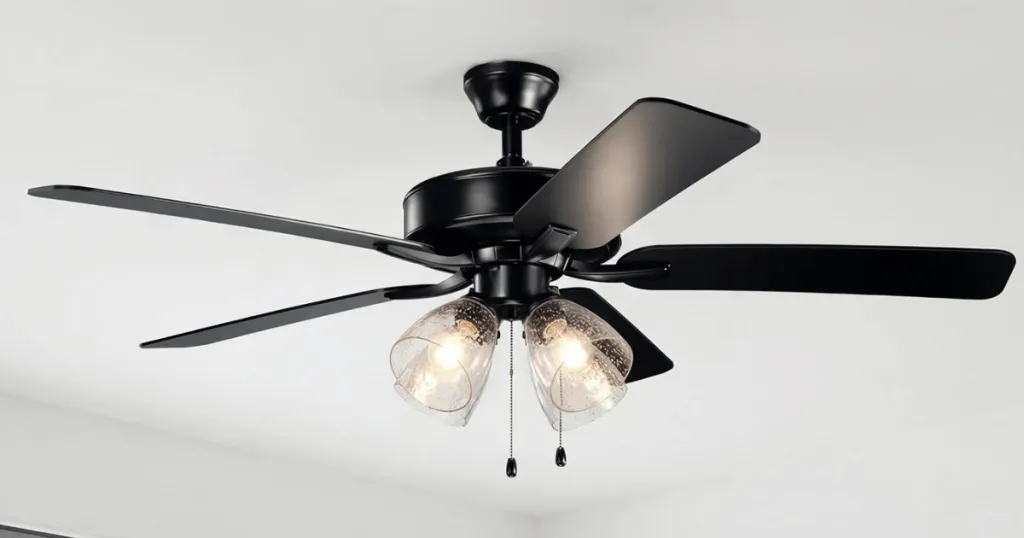
The primary strength of the brand is its design versatility. If you are looking for a fan that matches a specific interior design style, you are likely to find a Kichler model that fits. Their ability to integrate lighting kits seamlessly into the fan housing is also a major plus, as it prevents the look of a clunky, aftermarket attachment.
Another strength is the performance of their DC motor models. These fans typically offer a wider range of speed settings and are noticeably quieter than older, capacitor-based AC motors. For homeowners sensitive to noise, this is a significant advantage. Additionally, the availability of parts through authorized dealers means that if a blade or a remote control needs replacement years down the line, it is often easier to source than it would be for obscure, off-brand units. This long-term supportability is a key factor for homeowners who view a ceiling fan as a long-term fixture rather than a disposable appliance.
Weaknesses
A common critique of some Kichler models involves the complexity of their integrated LED lighting systems. While these systems are efficient and offer a clean look, they are often proprietary. If the LED module fails, you may need to source a specific replacement from the manufacturer rather than simply swapping out a standard light bulb. This can be a point of frustration for those who prefer the simplicity of traditional bulb-based lighting. Homeowners should verify if the light kit is field-replaceable or if it requires a specific module that might become obsolete in the future.
Another area of concern for some users is the range of their remote control systems. In very large rooms or homes with significant interference, the signal can occasionally be inconsistent. While this is a common issue across many brands, it is worth noting if you plan to install a fan in a location where the remote will be your primary method of control. Some users find that wall-mounted controls are more reliable than handheld remotes, and Kichler does offer various wall-control options that can mitigate signal issues in larger living spaces.
Warranty, Support, and Ownership Considerations
Kichler provides a standard warranty structure that typically covers the motor for a significant period, often lifetime, while other components like the light kit and finish are covered for a shorter duration. It is important to read the specific warranty documentation for the model you choose, as terms can vary between indoor and outdoor units.
The warranty coverage for outdoor fans is particularly important, as these units face harsher environmental conditions than indoor fans. Understanding the limitations of the warranty, such as what constitutes normal wear and tear versus a manufacturing defect, will help you maintain your fan properly.
From a support perspective, the brand is well-supported by a network of authorized lighting showrooms and online retailers. If you encounter an issue, having a direct line to the manufacturer or a knowledgeable dealer is a distinct advantage. They generally maintain a library of installation manuals and troubleshooting guides on their website, which can be a lifesaver for DIYers who lose their original paperwork.
These resources often include step-by-step guides for common issues like balancing the blades or resetting the remote control pairing, which can save a homeowner from having to hire a professional for minor adjustments.
One thing to keep in mind is the importance of professional installation for complex models. While many homeowners are comfortable with basic fan installation, the advanced electronics found in some of their smart-enabled or DC-motor fans may require a level of electrical knowledge that exceeds a standard DIY project. If you are unsure about wiring or mounting requirements, consulting a licensed electrician is always the safer path.
This is especially true when dealing with vaulted ceilings or heavy-duty mounting brackets that require secure anchoring to the ceiling joists to prevent wobbling or structural damage over time.
Who This Brand Is and Is Not a Good Fit For
Kichler Ceiling Fans are an excellent fit for homeowners who value a balance between style and reliability. If you are renovating a room and want a fan that serves as a design anchor, or if you are looking to replace a builder-grade fan with something that offers quieter operation and better energy efficiency, this brand is a strong contender. They are also a great choice for those who want to coordinate their ceiling fan with other lighting fixtures in the same room, as their design language is consistent across their entire product range.
However, this brand may not be the right fit for those looking for the absolute lowest price point. If your primary goal is to find the most inexpensive fan possible for a utility room or a rental property, you might find more cost-effective options elsewhere. Additionally, if you are a purist who insists on using standard, replaceable light bulbs rather than integrated LED modules, you may find the design of many modern Kichler fans to be restrictive.
The trend toward integrated LED lighting is strong in the industry, and Kichler is no exception, so it is important to weigh the benefits of energy efficiency and sleek design against the potential for future maintenance challenges.
Finally, if you are looking for ultra-niche, high-end custom designs or industrial-grade fans meant for heavy-duty commercial environments, you might find that Kichler’s focus remains firmly in the residential and light-commercial space. For the vast majority of homeowners, though, they represent a solid, dependable choice that bridges the gap between mass-market utility and high-end design. By focusing on quality materials and thoughtful engineering, they provide a reliable solution for everyday comfort in the home.
Maintenance and Long-Term Care
To ensure your Kichler ceiling fan continues to perform at its peak, regular maintenance is essential. Dust accumulation on the blades can lead to imbalance, which causes the fan to wobble during operation. A simple wipe-down with a soft, damp cloth every few months is usually sufficient to keep the blades clean and the airflow smooth. For fans installed in outdoor spaces, it is important to check the housing and hardware for signs of salt buildup or debris, especially in coastal areas. Applying a light coat of wax to the finish can help protect it from the elements and maintain its luster.
Periodically checking the mounting hardware is also a good practice. Over time, the natural vibration of the motor can cause screws to loosen slightly. A quick inspection once a year to ensure all connections are tight will help prevent noise and ensure the fan remains securely attached to the ceiling. If you notice any unusual sounds, such as clicking or grinding, it is often a sign that a component needs adjustment or that the fan is not properly balanced.
Most Kichler fans come with a balancing kit, and their online resources provide clear instructions on how to use it to eliminate any wobbling issues. By taking these small steps, you can significantly extend the lifespan of your fan and maintain the comfort of your living space.
FAQ
Are Kichler ceiling fans easy to install for DIYers?
Many Kichler fans are designed with user-friendly mounting systems and clear documentation, making them a common choice for DIY installation. However, models with advanced smart features or complex DC motor electronics may require professional electrical knowledge.
Do Kichler ceiling fans use standard light bulbs?
Many modern Kichler fans feature integrated LED lighting for a sleek, low-profile look. While this is energy-efficient, it often means the light source is proprietary and not a standard, user-replaceable bulb.
Are Kichler fans suitable for outdoor use?
Yes, Kichler offers a range of damp-rated and wet-rated ceiling fans specifically engineered to withstand moisture and temperature fluctuations in covered porches or outdoor living areas.