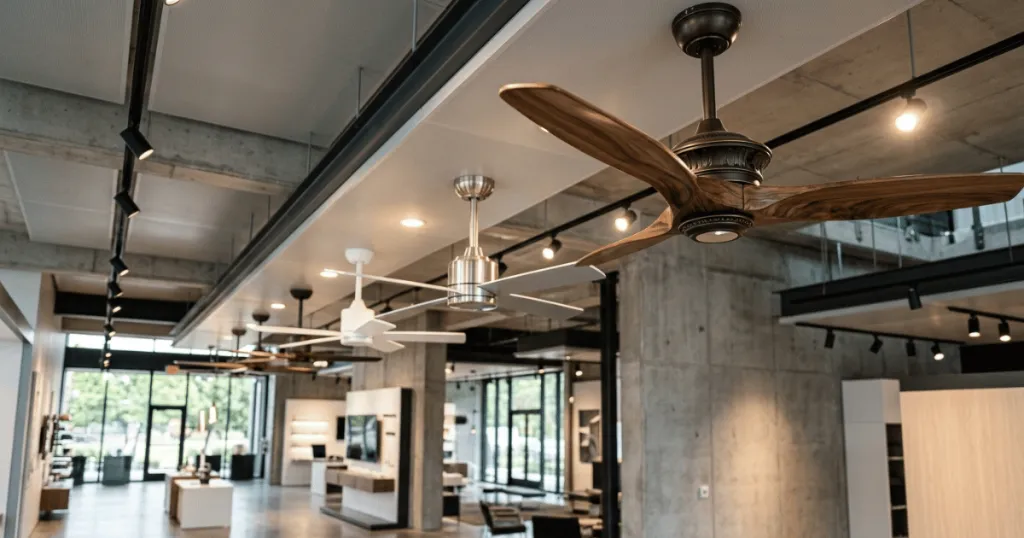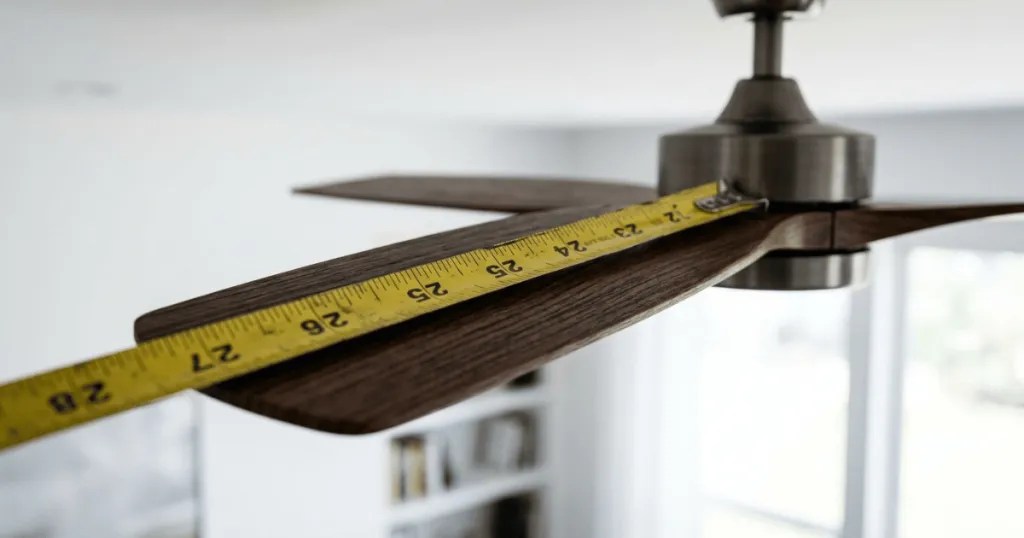
Short Answer: Most home warranties cover ceiling fans as part of the electrical or cooling system, provided the issue is a mechanical failure resulting from normal wear and tear. Coverage typically excludes cosmetic damage, improper installation, and issues arising from a lack of maintenance.
When you are dealing with a malfunctioning fixture, the question of whether your service contract provides protection is a common one. Many homeowners wonder: Do home warranties cover ceiling fans? The short answer is that it depends entirely on the specific terms of your service agreement, but most standard plans do include ceiling fans as covered items under their electrical or cooling systems sections.
Understanding how these policies function requires looking beyond the basic marketing materials. While a plan might list ceiling fans as covered, the practical reality of a claim involves specific limitations, exclusions, and documentation requirements that can dictate whether you receive a repair or a replacement. Navigating this coverage effectively means knowing exactly what your contract defines as a mechanical failure versus normal wear and tear.
Factors Influencing Warranty Coverage for Ceiling Fans
Most home warranty providers classify ceiling fans as part of the electrical system or, in some cases, the cooling system. Because these appliances are hardwired into your home, they are generally treated differently than portable fans or plug-in devices. When you file a claim, the provider evaluates the nature of the failure to determine if it qualifies for coverage under their specific service terms.
Mechanical Failure vs. Improper Installation
The most critical distinction in any warranty claim is the cause of the malfunction. Warranties are designed to cover mechanical failures that occur due to normal use. If your fan stops spinning because the internal motor has burned out or the capacitor has failed, this is typically a covered event. However, if the fan is failing because it was improperly mounted to the ceiling joist or the wiring was done incorrectly, the provider will often deny the claim. They view installation errors as the responsibility of the homeowner or the original contractor, not the warranty company.
Consider the scenario where a fan begins to wobble excessively. If the wobble is caused by a loose mounting bracket that was never secured to a fan-rated box, the technician may classify this as an installation defect. Conversely, if the wobble stems from a warped motor housing or internal bearing failure, it is more likely to be viewed as a mechanical issue. Homeowners should be aware that technicians often look for signs of previous DIY attempts at repair, as unauthorized modifications can void coverage entirely.
The Role of Maintenance Requirements
Many homeowners overlook the maintenance clauses buried in their service contracts. Even if a fan is listed as a covered item, the provider may deny a claim if there is evidence of neglect. For instance, if a fan is caked in years of dust and debris, causing the motor to overheat and seize, the provider might argue that a lack of routine cleaning led to the failure. While it is rare for a technician to inspect a fan for dust, they will certainly note if the unit has been modified or if the blades have been damaged by physical impact.
Routine home maintenance is a fundamental expectation of most service agreements. This includes ensuring that the fan is balanced and that the blades are not obstructed. If a fan motor burns out because the blades were hitting a decorative element or a nearby curtain, the warranty company will likely categorize this as user error rather than a covered mechanical failure. Keeping your fan clean and ensuring it is free from obstructions is not just good for performance, but it also provides a stronger case if you ever need to file a claim.
Exclusions and Limitations
Not every part of a ceiling fan is always covered. Many policies explicitly exclude cosmetic damage, such as rusted finishes, cracked light globes, or bent blades, unless that damage is a direct result of a covered mechanical failure. Furthermore, if you have a high-end designer fan, the warranty company may only cover the cost of a standard, builder-grade replacement. You might find yourself responsible for paying the difference if you want an equivalent replacement for a premium model.
It is also important to note that many contracts exclude specific components like integrated smart-home receivers or complex lighting control boards if they are not considered essential to the basic operation of the fan. If your fan features a proprietary wall control that fails, the warranty company might only cover the cost of a standard toggle switch replacement, leaving you to source the specialized part yourself. Always read the fine print regarding what constitutes a covered component versus an accessory.
Real-World Context for Warranty Claims
In practice, the process of using a home warranty for a ceiling fan starts with a service request. Once you report the issue, the company assigns a contractor to visit your home. This is where the experience can vary significantly based on the quality of the contractor and the clarity of your policy. The technician will assess whether the fan is repairable or if it needs to be replaced entirely.
If the fan is repairable, the warranty company generally covers the labor and parts, provided the repair cost does not exceed the unit’s value or a pre-set limit in your contract. If the fan is deemed non-repairable, the company will typically offer a replacement. However, do not expect the technician to install a fan that matches your existing decor perfectly. They will likely provide a unit that meets the basic functional requirements of the room, such as the same diameter or airflow capacity, without regard for the specific aesthetic or brand you previously owned.
Another practical consideration is the age and condition of the fan. If your home is older and the fan is an original fixture from several decades ago, finding parts may be impossible. In these cases, the warranty company will almost always opt for a full replacement. However, they may require you to pay for any necessary electrical upgrades if the new fan requires a different mounting bracket or wiring configuration that was not present in the original installation. This is a common point of friction where the homeowner is surprised by out-of-pocket costs for code-compliant wiring.
Why Understanding Your Coverage Matters
Knowing whether your plan covers these fixtures helps you manage your expectations and budget. When a fan begins to wobble, hum loudly, or stop responding to the wall switch, you need to decide whether to call a professional electrician or open a claim with your warranty provider. If you choose the warranty route, you must be prepared for the possibility of a service fee, which is often required regardless of whether the claim is approved or the repair is successful.
Furthermore, understanding the scope of your coverage prevents the frustration of expecting a high-end replacement when the policy only guarantees a functional equivalent. It also encourages better maintenance habits. By keeping your fans clean and ensuring they are balanced, you extend their lifespan and reduce the likelihood of needing to rely on a warranty claim in the first place. For many homeowners, the warranty acts as a safety net for major failures, but it is not a substitute for regular care and proper installation.
When you evaluate your home warranty, look for specific language regarding ceiling fans. Some policies include them by default, while others require an add-on or a specific rider. If you have multiple fans in your home, check if the policy covers all of them or if there is a limit on the number of units that can be serviced per year. This information is vital for homeowners who want to avoid unexpected costs when a motor finally gives out.
Common Misconceptions About Ceiling Fan Warranties
A frequent misunderstanding is that a home warranty covers everything that goes wrong with a fan. Many people assume that if a fan is noisy, the warranty will cover a replacement, but noise is often considered a subjective issue or a result of improper balancing, which may not be covered under standard mechanical failure clauses. Another myth is that the warranty covers the light kit and the motor equally. While the motor is usually the primary focus, the light kit might be treated as a separate, non-covered accessory depending on the specific language of your contract.
Finally, there is a belief that the warranty company will send a specialist who is an expert in ceiling fans. In reality, the company usually sends a general handyman or a general electrician. These professionals are skilled at basic repairs, but they may not have the specialized knowledge required to troubleshoot complex smart-fan features or proprietary remote control systems. If your fan relies on advanced technology, you might find that the warranty-provided technician is unable to resolve the issue, leading to further delays or the need for a second opinion.
Troubleshooting Before You File a Claim
Before you commit to a service fee and the potential hassle of a warranty claim, perform basic troubleshooting. Many issues that seem like mechanical failures are actually simple fixes that do not require a professional. Check the wall switch to ensure it is fully engaged. If the fan has a remote, try replacing the batteries or re-syncing the remote to the receiver. Often, a fan that appears dead is simply suffering from a loose wire nut in the canopy or a tripped breaker.
If the fan is making a clicking sound, check the blade screws. Over time, vibration can cause these to loosen, creating a noise that mimics a failing motor. Tightening these screws is a simple task that can save you the cost of a service call. If you have verified that the power is reaching the fan and that all connections are secure, then you have a much stronger case for a genuine mechanical failure. Documenting these steps can also be helpful when you speak with the warranty company, as it demonstrates that you have performed basic due diligence.
Navigating the Claims Process Successfully
To maximize your chances of a successful claim, keep all relevant documentation organized. This includes your original home inspection report if the fan was already installed when you bought the home, as well as any receipts for professional electrical work done on the property. When you contact the warranty provider, be clear and concise about the symptoms. Instead of saying the fan is broken, describe the specific behavior, such as the motor humming without spinning or the light kit flickering intermittently.
If the technician arrives and suggests that the issue is not covered, ask for a detailed explanation of why. If you believe the denial is incorrect based on your policy terms, you have the right to request a second opinion or escalate the issue through the company’s dispute resolution process. Being polite but firm, and referencing the specific language in your contract, is the most effective way to handle disagreements. Remember that the goal is to restore the functionality of your home cooling system, and clear communication is your best tool in achieving that outcome.
FAQ
Does my home warranty cover the remote control for my ceiling fan?
Coverage for remote controls varies by policy. Many basic plans exclude handheld remotes, treating them as accessories rather than integral mechanical components. You should check your specific contract to see if controls are explicitly included.
Will the warranty company replace my fan with one of equal value?
Most home warranties provide a replacement that is functionally equivalent to your old fan, not necessarily one of equal monetary value or brand prestige. If you want a specific high-end model, you will likely need to cover the cost difference yourself.
What happens if the technician cannot fix my ceiling fan?
If the fan is deemed non-repairable due to a covered mechanical failure, the warranty company will typically provide a replacement unit. You may be responsible for additional costs if the new unit requires modifications to your existing ceiling box or wiring.