Affiliate Disclosure: As an Amazon Associate, I earn from qualifying purchases.
Modern Forms Ceiling Fans are widely recognized for their minimalist aesthetic and advanced smart home integration. They tend to suit homeowners who prioritize clean lines, quiet operation, and the ability to control their environment via mobile apps or voice commands. If you are looking for a fan that blends into a contemporary interior rather than serving as a traditional centerpiece, this brand is often a top consideration.
Understanding whether these fans fit your specific needs requires looking beyond their sleek appearance. Because they operate differently than standard AC-motor models, they represent a distinct category of home cooling. This review examines their market positioning, build quality, and practical performance to help you decide if they are the right choice for your living space.
Understanding the Market Position of Modern Forms Ceiling Fans
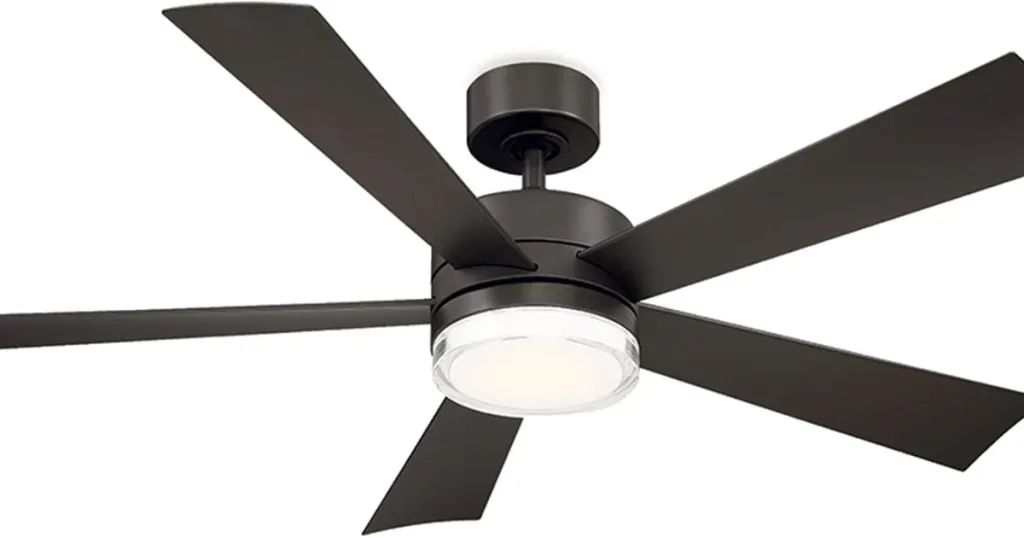
Modern Forms occupies a premium space in the residential lighting and fan market. The brand focuses on the intersection of high-end design and modern technology, positioning itself as a leader for users who want a smart home ecosystem that is both functional and visually unobtrusive. Unlike legacy brands that often emphasize ornate, traditional styles, this manufacturer leans heavily into architectural and industrial-inspired silhouettes.
The brand is essentially a technology-forward offshoot of WAC Lighting, a company with a long history in the professional lighting industry. This lineage is important because it explains the brand’s heavy reliance on integrated LED technology and sophisticated motor control systems. They do not just sell a fan; they sell a system designed to be part of a connected, automated home.
In terms of market competition, they sit above mass-market hardware store brands but often below ultra-luxury, custom-built boutique manufacturers. This middle-to-high tier positioning makes them accessible to homeowners who are willing to pay for better engineering and proprietary software, but who do not necessarily need a bespoke, artisan-crafted product. Their presence is strongest in modern, transitional, and minimalist home designs where the goal is to reduce visual clutter.
From a market perspective, the brand addresses a specific gap: the need for high-performance air circulation that does not look like a mechanical appliance. By prioritizing aerodynamic blade shapes and hidden motor housings, they cater to interior designers and homeowners who view the ceiling fan as a functional piece of art. This positioning requires a commitment to quality control and software updates, as the user experience is inextricably linked to the digital interface provided by the manufacturer.
Product Line and Category Range
The product catalog from Modern Forms is characterized by a deliberate, curated approach rather than an overwhelming volume of options. You will typically find a focus on DC motor technology across their entire range, which is a significant departure from older AC-motor fans. This choice is intentional, as it allows for smaller, more compact motor housings that contribute to their signature low-profile look.
Their range spans several key categories, including:
- Indoor/Outdoor Versatility: Most of their models are damp or wet-rated, meaning they can be used in kitchens, bathrooms, or covered patios without compromising the motor or finish.
- Integrated Lighting: Almost every fan includes a dimmable LED light kit. These are not standard bulbs but rather custom-engineered light engines that are designed to be flush with the fan body.
- Mounting Options: While many models are designed for standard ceiling heights, the brand provides various downrod lengths and flush-mount kits to accommodate different ceiling slopes and heights.
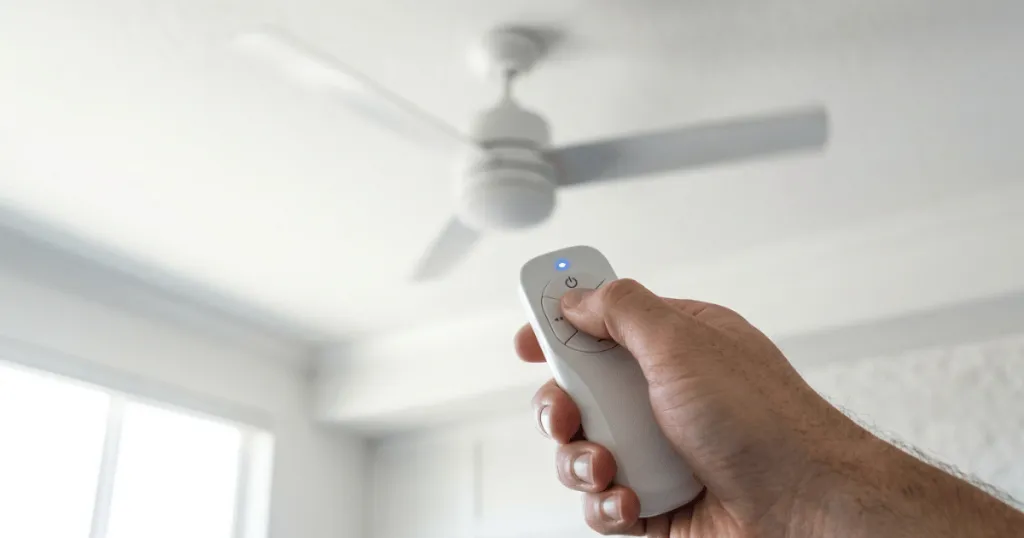
- Smart Control Ecosystem: The defining feature across the line is the inclusion of Wi-Fi-enabled controls. This allows for integration with platforms like Google Home, Amazon Alexa, and Samsung SmartThings.
By keeping the product line focused, the brand ensures that their design language remains consistent. Whether you choose a fan with three blades or five, the aesthetic remains grounded in a similar philosophy of simplicity and efficiency. This consistency helps when planning for multiple rooms, as you can maintain a cohesive look throughout a house while selecting different sizes or configurations to match specific room dimensions and air circulation requirements.
Quality Tier and Build Reputation
The build quality of Modern Forms Ceiling Fans is generally considered high, particularly regarding the internal components. The use of high-quality DC motors is the primary reason these fans are noted for their silent operation. Unlike older fans that might hum or wobble at high speeds, these units are engineered for precision balance and consistent torque.
The physical materials used in the construction usually include high-grade aluminum, die-cast zinc, or industrial-strength polymers. These materials are chosen for their durability and their ability to be finished in clean, matte, or metallic coatings. The finish quality is a frequent point of praise, as the powder-coated surfaces tend to resist scratching and fading better than lower-end painted finishes.
However, the quality tier also extends to the electronic components. Because the fans are smart-enabled, the reliability of the internal Wi-Fi receiver and the accompanying control board is just as important as the motor itself. The brand has built a reputation for reliable connectivity, though like any smart device, it is dependent on the stability of your home network. The integration of the LED light is also a key quality factor, as these are designed to last for tens of thousands of hours, effectively eliminating the need for bulb changes.
When assessing build quality, consider the long-term implications of integrated components. Because the LED light engine is built into the housing, it is not a standard bulb that can be replaced at a local hardware store. While the expected lifespan is extensive, the trade-off for this sleek, integrated design is the reliance on the manufacturer for specific replacement parts should the light module eventually fail. This is a standard trade-off in the premium segment of the market, where design integration is prioritized over modular repairability.
Common Strengths and Weaknesses
When evaluating these fans, it is helpful to look at the practical experience of living with them. The primary strength is undoubtedly the combination of silent performance and smart features. The ability to control fan speed, light intensity, and even seasonal direction via a smartphone app is a significant convenience for modern homeowners.
Another major strength is the aesthetic versatility. Because the designs are so understated, they do not compete with other architectural elements in a room. This makes them a safe choice for designers and homeowners who want a fan that performs well without becoming the focal point of the ceiling.
On the side of potential weaknesses, the reliance on proprietary technology can be a drawback for some users. If the internal control board fails after the warranty period, you cannot simply swap it out with a universal fan receiver from a hardware store. You are tethered to the brand’s specific replacement parts, which can be more expensive and harder to source than generic components.
Additionally, the smart features can be a hurdle for those who are not tech-savvy. Setting up the Wi-Fi connection and integrating the fans with a smart home hub requires a stable internet connection and a basic level of digital literacy. If your home network is prone to dropping connections, you may find the smart features frustrating rather than helpful. Some users also find the wall controls to be less intuitive than a traditional pull chain or a simple remote, as they often require navigating an app interface.
Another consideration is the sensitivity of the DC motor to power fluctuations. While these motors are highly efficient, they are controlled by sensitive electronic boards that can be affected by power surges. Using a high-quality surge protector or ensuring your home electrical system is properly grounded is a practical step that can extend the life of the internal components. This is a common requirement for modern smart appliances that is often overlooked during the initial installation phase.
Warranty, Support, and Ownership Considerations
Ownership of a Modern Forms product comes with a specific set of expectations regarding support. The brand generally provides a robust warranty, often covering the motor for a lifetime and the LED light components for a significant period, such as five years. This is a clear indicator of their confidence in the longevity of their hardware.
In practice, support is typically handled through their professional network of distributors and authorized retailers. If you encounter an issue, you will likely be directed to contact the support team or your original point of purchase. This can be a more structured process than buying a fan from a big-box store, which some users appreciate for the professional guidance, while others may find it less convenient than a simple return policy.
When considering the long-term ownership of these fans, it is important to remember that they are electronic devices. Just as you would maintain a router or a smart thermostat, you should ensure that the fan is installed in an environment that is not excessively humid or prone to extreme temperature fluctuations, even if the fan is rated for outdoor use. Keeping the firmware updated through the app is also a necessary, albeit minor, part of ownership to ensure continued compatibility with your smart home ecosystem.
For homeowners planning a DIY installation, it is worth noting that the complexity of the wiring for smart fans is slightly higher than for standard fans. You must ensure that the wall switch provides constant power to the fan, as the receiver needs to stay active to receive commands from the app or the remote. If you are replacing an existing fan, you may need to verify your current wiring configuration to ensure it supports this constant power requirement. If you are unsure about your electrical setup, consulting a licensed electrician is the safest path to ensure the smart features function as intended.
Who This Brand Is and Is Not a Good Fit For
Modern Forms Ceiling Fans are an excellent fit for the homeowner who is building or renovating with a modern aesthetic in mind. If you value silence, energy efficiency, and the ability to control your home environment from your phone, these fans are likely to satisfy your requirements. They are particularly well-suited for bedrooms, home offices, and living areas where you want a high-performance fan that does not distract from the room’s design.
However, this brand is not a good fit for everyone. If you prefer a traditional, ornate, or rustic style, you will likely find their catalog too stark or industrial. Furthermore, if you are a homeowner who prefers a simple, mechanical experience without the need for Wi-Fi, apps, or smart home hubs, you may find the technology in these fans to be unnecessary complexity. You are paying for features that you might not use.
Finally, if you are working with a very tight budget, these fans are likely outside your target range. While they offer good value in terms of longevity and performance, they are priced as premium appliances. If your priority is simply moving air at the lowest possible cost, there are many other brands that offer functional, albeit less sophisticated, solutions. Always assess your specific needs for automation and style before committing to this tier of ceiling fan.
Ultimately, the decision to invest in this brand should be based on your long-term goals for your home. If you are creating a connected, smart-enabled living environment, the seamless integration provided by these fans can be a significant benefit. If you are simply looking for a basic cooling solution for a garage or a utility room, the advanced features may not provide enough utility to justify the premium cost. Evaluate your room usage patterns and your comfort with digital interfaces to determine if the value proposition aligns with your lifestyle.
FAQ
Do Modern Forms Ceiling Fans require a smart home hub?
No, they do not strictly require a separate smart home hub to function. They connect directly to your home Wi-Fi network and can be controlled via the manufacturer’s app. However, if you want to integrate them into a larger ecosystem like Amazon Alexa or Google Home, you will need those respective platforms set up.
Can I use a standard wall switch with these fans?
While you can use a standard on-off switch to cut power to the unit, it will not allow you to control the fan speed or light dimming. To maintain full functionality, you should use the provided wall control or the mobile app, as the fan requires a constant power supply to keep the internal receiver active.
Are these fans suitable for high-humidity environments?
Many Modern Forms Ceiling Fans are damp or wet-rated, making them suitable for covered patios, bathrooms, or kitchens. Always check the specific model specifications before purchase to ensure it carries the correct rating for your intended installation location.