Quick Answer: High-quality ceiling fans typically last between 10 and 20 years. Longevity depends on motor quality, maintenance, and the environment, with electrical components like capacitors and remote receivers often failing before the motor itself.
Most high-quality ceiling fans are engineered to last between 10 and 20 years with regular use and proper maintenance. While the motor itself is often the most durable component, the total lifespan of a unit is frequently determined by the longevity of its electrical controls, bearings, and aesthetic finishes. When you ask, “How long do ceiling fans last?” the answer is rarely a fixed date; it is a reflection of how well the fan is maintained and the quality of its internal components.
Understanding the expected lifespan of your ceiling fan helps you distinguish between minor, repairable issues and signs that a unit has reached the end of its functional life. While a fan might technically spin for decades, factors like noise, wobbling, and outdated control systems often dictate when a homeowner chooses to upgrade. By focusing on maintenance and identifying early warning signs of wear, you can maximize your investment and ensure consistent comfort in your living spaces.
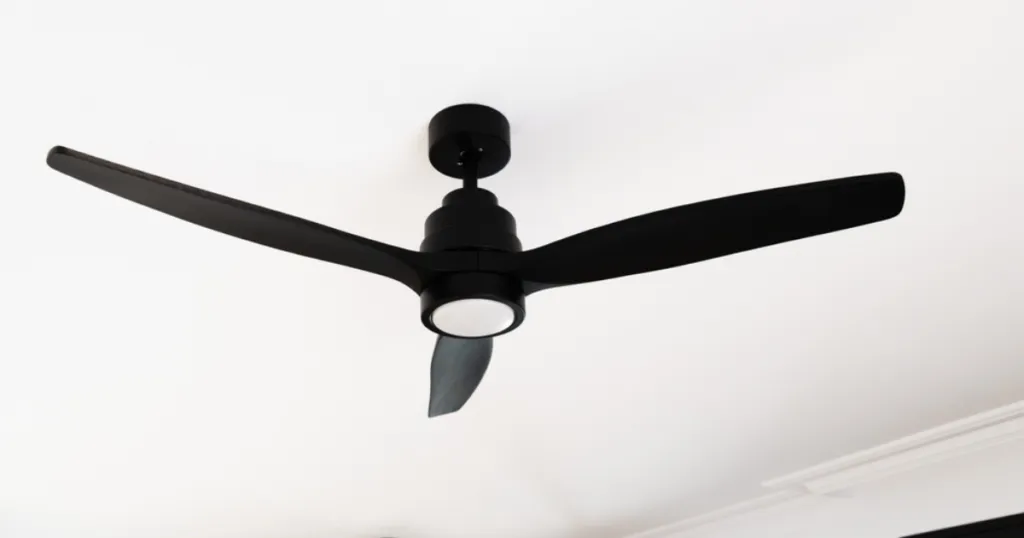
Factors Influencing Ceiling Fan Longevity
The primary determinant of a ceiling fan’s lifespan is the quality of its motor. DC (Direct Current) motors and heavy-duty AC (Alternating Current) motors are generally built to withstand years of continuous operation, whereas entry-level models with smaller, lighter motors may experience heat buildup and mechanical fatigue much sooner. Motors that run cooler and operate with less friction naturally endure longer.
Bearing quality also plays a critical role in how long a fan remains quiet and functional. High-quality sealed bearings require little to no lubrication and resist the accumulation of dust and debris. When bearings begin to fail, you will typically notice a grinding or clicking sound, which is a signal that the motor is working harder than it should. If left unaddressed, this friction can lead to motor burnout.
Electrical components, particularly capacitors and remote control receivers, are often the first parts to fail. These components are sensitive to power surges and heat, and they are frequently the reason a fan stops working while the motor remains perfectly healthy. In many cases, replacing a capacitor or a receiver is a straightforward DIY task that can extend the life of a fan by several years, provided the motor is still in good condition.
Installation quality is an often-overlooked factor. A fan that is improperly mounted or poorly balanced will experience excessive vibration. Over time, this constant stress loosens screws, wears down the mounting bracket, and puts unnecessary strain on the motor housing. Ensuring a fan is installed level and securely is one of the most effective ways to prevent premature mechanical failure.
Deep Dive: The Mechanics of Wear and Tear
To truly understand ceiling fan lifespan, one must look at the interplay between mechanical load and environmental stressors. Every time you toggle a switch, you initiate a sequence of electrical and mechanical events. Over thousands of cycles, the internal wiring, the winding insulation, and the switch mechanisms undergo subtle degradation. This is why the “operational life” of a fan is often measured in total hours of use rather than calendar years. A fan that runs 24/7 in a commercial or high-traffic residential setting will reach its performance window limit significantly faster than one used only during the summer months.
Furthermore, the physical environment plays a massive role in longevity. In coastal regions, salt air can accelerate the corrosion of metal finishes and internal electrical contacts, leading to premature component failure. Similarly, in high-humidity climates, moisture can seep into the motor housing if the fan is not rated for damp or wet locations. This moisture can lead to oxidation of the copper windings, which eventually causes a short circuit. When selecting a fan, matching the IP rating or environmental suitability to your room is a crucial preventative maintenance step that directly influences how long the unit will last.
The Role of Preventative Maintenance
Many homeowners treat ceiling fans as “set it and forget it” appliances, but consistent care is the secret to exceeding the 15-year mark. Preventative maintenance is not just about keeping the blades clean; it is about ensuring the structural integrity of the entire assembly. Dust buildup on blades acts like a sponge for moisture and adds uneven weight, which forces the motor to work against an unbalanced load. This creates a cycle of vibration that accelerates the wear on the ceiling canopy and the mounting bracket.
Beyond cleaning, checking the tightness of all visible screws-especially those connecting the blades to the blade irons and the blade irons to the motor-is essential. Over time, the natural oscillation of the fan can cause these fasteners to loosen. A wobbly ceiling fan is not just a nuisance; it is a sign that the mechanical tolerances are being exceeded. By periodically tightening these connections, you reduce the stress on the motor and prevent the “wobble” from becoming a permanent mechanical defect.
Technological Obsolescence vs. Mechanical Failure
A unique aspect of ceiling fan longevity is the difference between a fan that stops working and a fan that is no longer useful. We are currently in an era of rapid technological advancement in home climate control. Many fans installed 15 years ago lack the energy efficiency of modern DC motor models. Even if the motor is still spinning, the fan may be consuming significantly more electricity than a modern equivalent. This is where the concept of “economic life” comes into play. If a fan requires frequent repairs or consumes excessive power, it may be more practical to upgrade to a newer model that offers better air movement, quieter operation, and smart home integration.
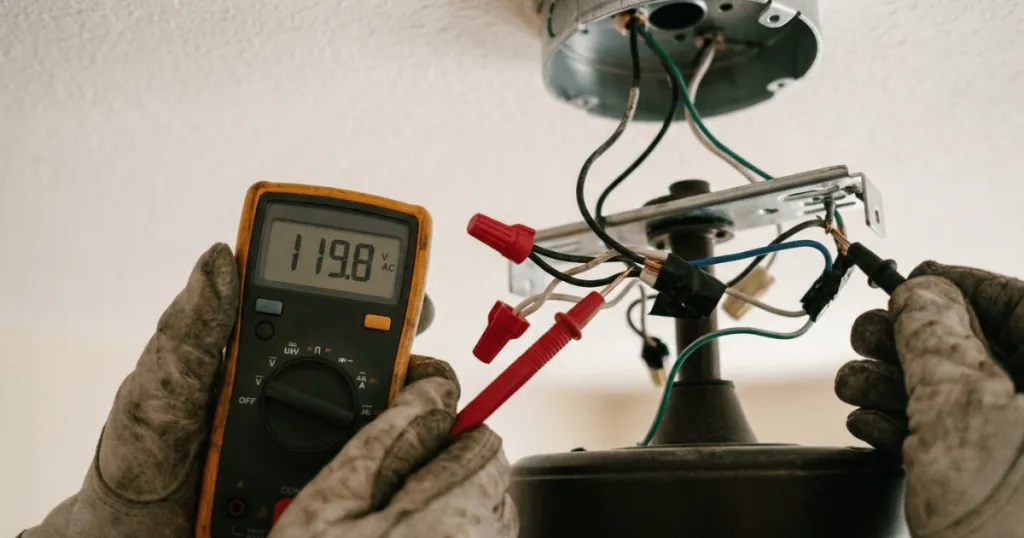
Additionally, the evolution of light kits has changed the landscape. Many older fans use proprietary light fixtures that are difficult to find parts for once they break. If your fan’s light kit fails and you cannot source a replacement, you are essentially left with a fan that no longer serves its dual purpose. This is a common point of failure that forces many homeowners to replace the entire unit, even when the motor is perfectly functional.
Real-World Context and Usage Patterns
How you use your fan on a daily basis directly impacts its wear and tear. A fan that runs 24/7 in a humid environment, such as a covered porch or a bathroom, will naturally experience more stress than a fan in a climate-controlled bedroom that is only used during warmer months. Humidity can accelerate the corrosion of metal parts and the degradation of finishes, while continuous operation increases the total hours of friction on the motor bearings.
Consider the environment where the fan is installed. Fans in kitchens are often exposed to grease and cooking vapors, which can accumulate on the blades and internal components. This buildup adds weight to the blades, throwing off the balance and forcing the motor to work harder to maintain speed. Regular cleaning is not just about aesthetics; it is a maintenance requirement that prevents the motor from straining under the weight of dust and grime.
In practice, many homeowners find that their fans remain functional for a long time but become obsolete in terms of control technology. Older fans often rely on wall-mounted rotary switches or pull chains, which may lack the convenience of modern remote controls or smart home integration. Even if the motor is still spinning perfectly, you might decide to replace a fan simply because it no longer fits your needs or because the cost of upgrading the control system is nearly as high as installing a new, more efficient model.
Noise sensitivity is another practical factor. As fans age, they may develop subtle hums or clicks that were not present when they were new. While these sounds do not always indicate that the fan is about to fail, they can become a significant annoyance in quiet rooms like bedrooms or home offices. If a fan has become noisy despite cleaning and balancing, it is often a sign that the internal mechanical components have reached the end of their optimal performance window.
Why Lifespan Matters for Homeowners
Knowing the expected lifespan of your ceiling fan allows you to plan for maintenance and eventual replacement without being caught off guard. When a fan stops working, it is easy to assume the entire unit is broken, but understanding that specific parts like capacitors or receivers are replaceable can save you the time and expense of a full installation. This knowledge empowers you to troubleshoot effectively before deciding that a replacement is necessary.
From a safety perspective, recognizing the signs of an aging fan is essential. A fan that wobbles excessively, makes grinding noises, or shows signs of frayed wiring should be addressed immediately. Ignoring these symptoms can lead to more than just a broken fan; it can create a safety hazard in your home. By monitoring your fan’s performance, you can catch these issues early and ensure that your home environment remains both comfortable and safe.
Finally, viewing your ceiling fan as a long-term appliance helps you make better decisions when purchasing. Investing in a model with a robust motor and a solid warranty is often more cost-effective over a 15-year period than replacing a cheaper unit every five years. When you prioritize quality and ease of maintenance, you reduce the frequency of repairs and ensure that your ceiling fan remains a reliable part of your home’s climate control strategy for years to come.
Common Misconceptions About Fan Durability
One of the most common misconceptions is that a ceiling fan should last forever. While some vintage fans have been operational for decades, modern fans are complex electrical appliances with integrated electronics that have a finite lifespan. Expecting a fan to last 30 years without any maintenance or component replacement is unrealistic given the nature of modern electrical systems.
Another frequent mistake is assuming that a wobbly fan is just a minor annoyance that can be ignored. A fan that is out of balance is under constant mechanical stress. This vibration does not just affect the blades; it travels through the mounting hardware and into the ceiling structure itself. Over time, this can lead to loose connections and structural wear, making the fan less efficient and potentially damaging the ceiling mount.
Finally, many people believe that if a fan stops working, the motor has burned out. In reality, motor failure is relatively rare compared to the failure of secondary components like capacitors, speed controllers, or remote receivers. Before you decide to discard a fan, it is worth checking the electrical connections and the control system. Often, a simple part replacement can restore full functionality to a fan that otherwise seems like it has reached the end of its life.
Decision Guidance: Repair or Replace?
When your fan begins to show its age, the decision to repair or replace often comes down to a cost-benefit analysis. If the fan is a high-end model with a lifetime motor warranty, the manufacturer may provide replacement parts that make repair the obvious choice. However, if the fan is a budget-tier model, the cost of a new motor or specialized control board, combined with the labor involved, may exceed the value of the fan itself. Always consider the “total cost of ownership.” If you spend money to fix a 12-year-old fan, will it last another 5 years, or is it just delaying the inevitable? If the fan is loud, inefficient, or lacks modern features, it is often better to invest that money into a new, more reliable unit that will provide better service for the next decade.
FAQ
How can I tell if my ceiling fan is nearing the end of its life?
Signs include persistent grinding or clicking noises, excessive wobbling that cannot be fixed by balancing, the motor failing to reach top speeds, or the fan frequently overheating. If you have already replaced the capacitor and remote receiver and the issues persist, the motor is likely failing.
Does leaving a ceiling fan on all the time shorten its lifespan?
Running a fan continuously does increase the total wear on the bearings and motor, but high-quality fans are designed for long-term operation. The impact on lifespan is generally minimal if the fan is kept clean and balanced, though it may accelerate the need for bearing maintenance.
Is it worth repairing an old ceiling fan?
It depends on the nature of the repair. If the issue is a simple capacitor or remote receiver replacement, it is often very cost-effective. However, if the motor bearings are shot or the motor housing is damaged, the cost of professional repair often exceeds the price of a new, more energy-efficient model.