Affiliate Disclosure: As an Amazon Associate, I earn from qualifying purchases.
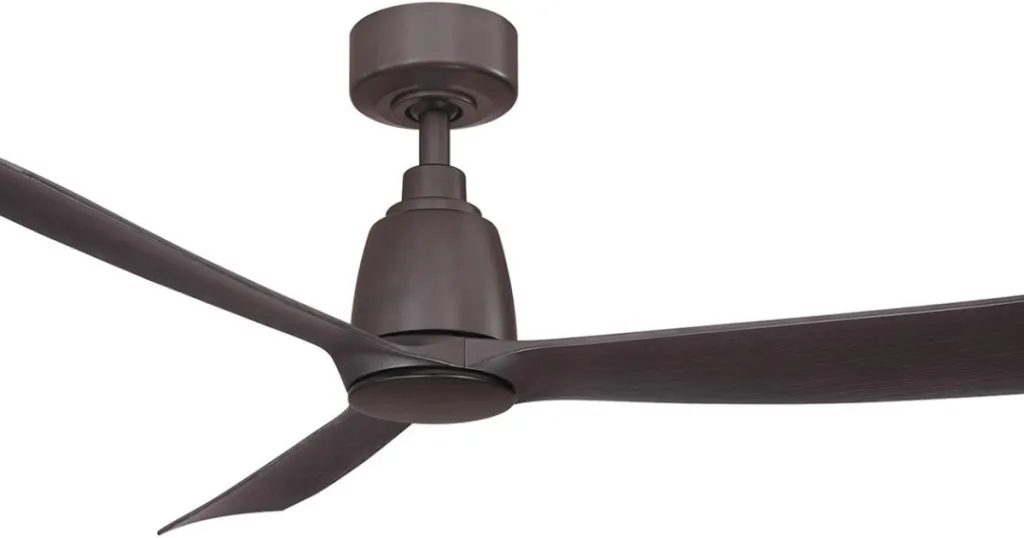
Fanimation Ceiling Fans are widely recognized in the residential market for their distinctive design language and willingness to experiment with unconventional blade shapes and motor housings. Unlike brands that focus primarily on mass-market utility, this manufacturer often prioritizes aesthetic impact, making them a common choice for homeowners who view a ceiling fan as a central decor element rather than just an air-moving appliance.
Understanding whether these fans fit your specific room requirements involves looking beyond the initial visual appeal. Because their catalog spans from industrial-inspired statement pieces to minimalist modern designs, identifying the right model requires a clear grasp of your space constraints, airflow needs, and control preferences. This review examines the brand’s reputation and technical positioning to help you decide if their approach aligns with your expectations for long-term home comfort.
Brand Reputation and Market Positioning
Fanimation occupies a unique space in the ceiling fan industry, often positioned between high-end architectural lighting brands and standard home improvement store options. Their reputation is built on a history of innovation, particularly regarding unique blade materials and motor configurations that challenge traditional fan silhouettes. For many homeowners, the brand serves as a bridge for those who want a custom-look fixture without the extreme price point of boutique, artisan-only manufacturers.
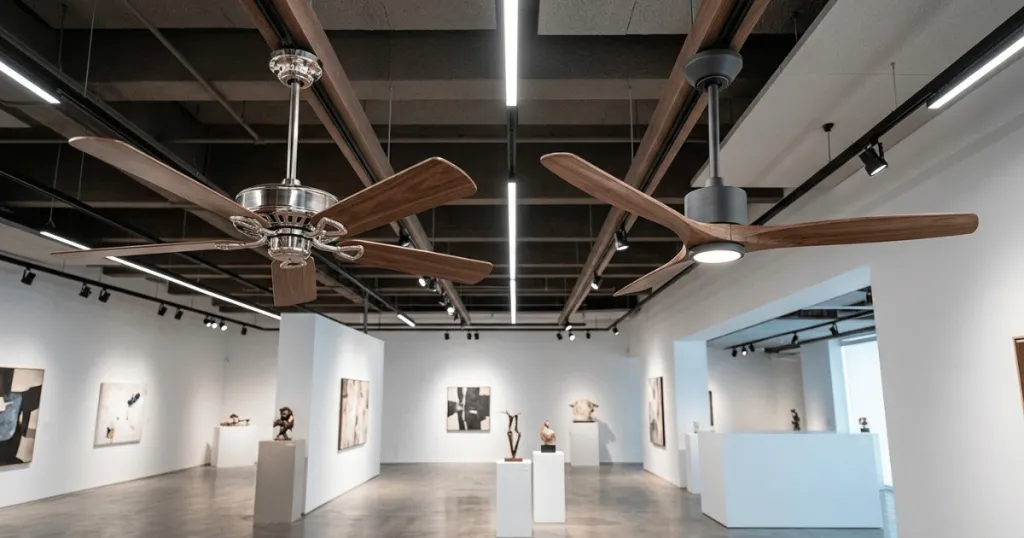
The brand is frequently associated with the concept of the ceiling fan as a focal point. Their design team often leans into themes like tropical, mid-century modern, and industrial chic. This focus on style does not come at the total expense of performance, but it does mean that the brand’s primary market appeal is visual. They are a frequent choice for designers and homeowners looking to complete a specific interior design scheme where a standard, plain-white fan would feel out of place.
In terms of market positioning, Fanimation is generally considered a premium-tier brand. While they offer a range of price points, their entry-level models are typically priced higher than basic big-box store offerings. This pricing reflects their investment in design, finish quality, and, in many cases, more robust motor technology. They are rarely the go-to for budget-conscious, utility-only projects, but they are a standard consideration for renovation projects where the fan is intended to last for many years as a permanent fixture.
Product Line and Category Range
The product catalog from Fanimation is notably broad, covering a wide variety of installation scenarios and aesthetic preferences. They categorize their offerings by style, blade count, and motor type, which helps in narrowing down choices based on room function. A significant portion of their line features DC motor technology, which is a key differentiator for the brand in terms of energy efficiency and speed control.
Their range includes everything from compact fans for small bedrooms or laundry rooms to massive, high-CFM models designed for great rooms and vaulted ceilings. They are particularly well-regarded for their multi-blade fans and unique, non-traditional blade materials like bamboo or woven textures. This variety allows them to serve both indoor and outdoor spaces, with a dedicated selection of wet-rated and damp-rated fans that maintain the same design-forward philosophy as their indoor counterparts.
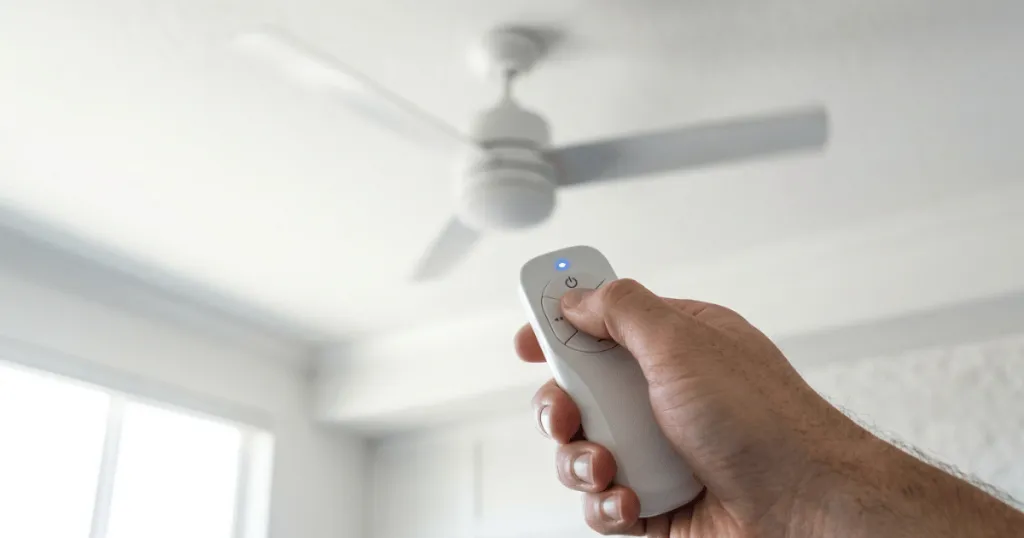
Mounting options are another area of depth for the brand. They offer a comprehensive array of downrod-compatible fans, as well as several low-profile or hugger models for rooms with lower ceiling heights. This attention to installation versatility is essential for homeowners who need to maintain proper clearance while still achieving a specific look. Their control systems have also evolved, with many models now integrating seamlessly with modern smart home ecosystems and wall-mounted remote controls.
Typical Quality Tier and Build Reputation
When evaluating the build quality of Fanimation Ceiling Fans, the consensus among installers and long-term owners is that they generally sit in the upper-mid to high-end tier. The materials used for housings and blades are typically more substantial than those found in lower-cost, mass-produced fans. This weight and material density often translate to quieter operation, as the fan is less prone to the vibrations and rattling that can plague lighter, plastic-heavy units.
The finish quality is a notable strength. Whether you are looking for brushed nickel, oil-rubbed bronze, or custom paint-like finishes, the application is usually consistent and durable. This is particularly important for fans installed in humid environments or high-traffic areas, where finish degradation can be a common issue with lower-quality hardware. The motor housings are designed with longevity in mind, often featuring internal components that are serviceable or at least built to withstand years of continuous use.
However, quality is also about the integration of components. The brand has moved toward more sophisticated electronics to manage their DC motors and lighting kits. While these systems offer precise control, they are more complex than simple AC-motor fans. The long-term reliability of these electronic controllers is generally high, but it is a factor to consider for those who prefer the simplicity of traditional pull-chain operation. Overall, the build quality is consistent with a brand that targets the mid-to-high-end residential market.
Common Strengths and Weaknesses
The primary strength of Fanimation is their design versatility. They successfully navigate the line between being a functional appliance and a piece of decor. For a homeowner, this means you can often find a fan that perfectly complements a specific architectural style, such as a coastal cottage or a modern farmhouse, without having to compromise on air movement capability.
Another significant strength is their adoption of DC motor technology across a large percentage of their product line. These motors are quieter, consume less electricity, and offer more speed settings than traditional AC motors. For homeowners sensitive to noise or those looking to reduce their home energy footprint, this is a distinct advantage. The inclusion of reversible motors is standard, allowing for seasonal airflow adjustments that are easy to manage via remote or wall control.
On the side of potential weaknesses, the complexity of their modern control systems can be a hurdle for some. If you are accustomed to basic wall switches, the transition to proprietary remotes or smart-home integrated receivers can feel like an unnecessary complication. Troubleshooting these electronic systems is also more difficult for the average DIYer compared to a simple capacitor replacement on an older fan.
Additionally, the proprietary nature of some replacement parts can be a frustration. While the core motor components are robust, specific light covers or remote receivers may be harder to source years down the line compared to universal parts. This is a trade-off for the custom design aesthetic. Finally, while their fans are generally well-balanced, the unique shapes of some blades can make them more susceptible to dust accumulation, requiring more frequent cleaning to maintain both the look and the aerodynamic efficiency.
Warranty, Support, and Ownership Considerations
Fanimation typically provides a limited lifetime warranty on their motors, which is the industry standard for reputable manufacturers. This provides a level of security for the most expensive component of the fan. The warranty coverage for other parts, such as the electronics, blades, and finishes, is generally shorter, often spanning one to five years depending on the specific model and the nature of the component.
Support experiences can vary, but the brand is generally responsive to inquiries regarding installation issues or part replacements. Because they have a wide network of authorized dealers and online retailers, obtaining support or documentation is usually straightforward. It is always a good practice to register your product immediately after installation to ensure you have the necessary proof of purchase should you ever need to file a warranty claim.
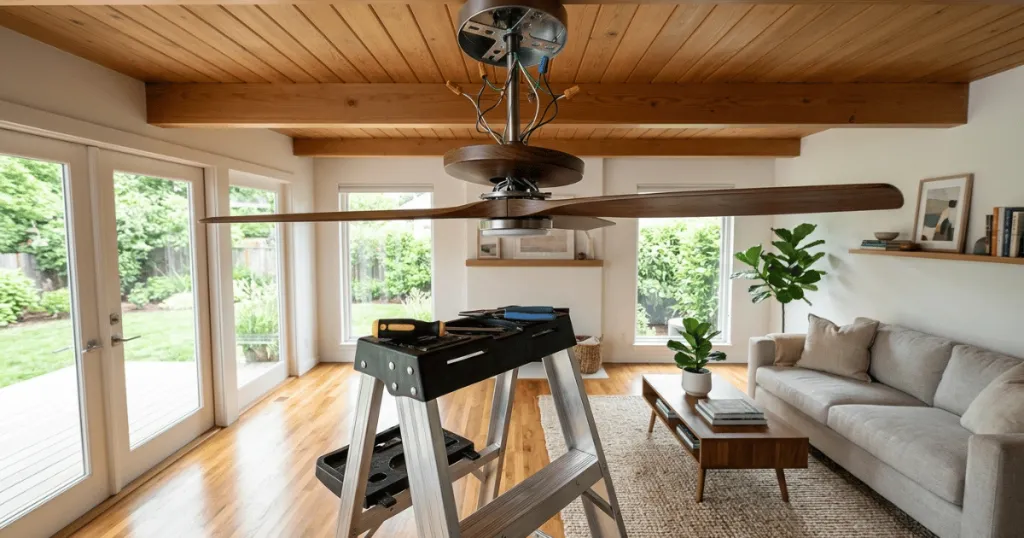
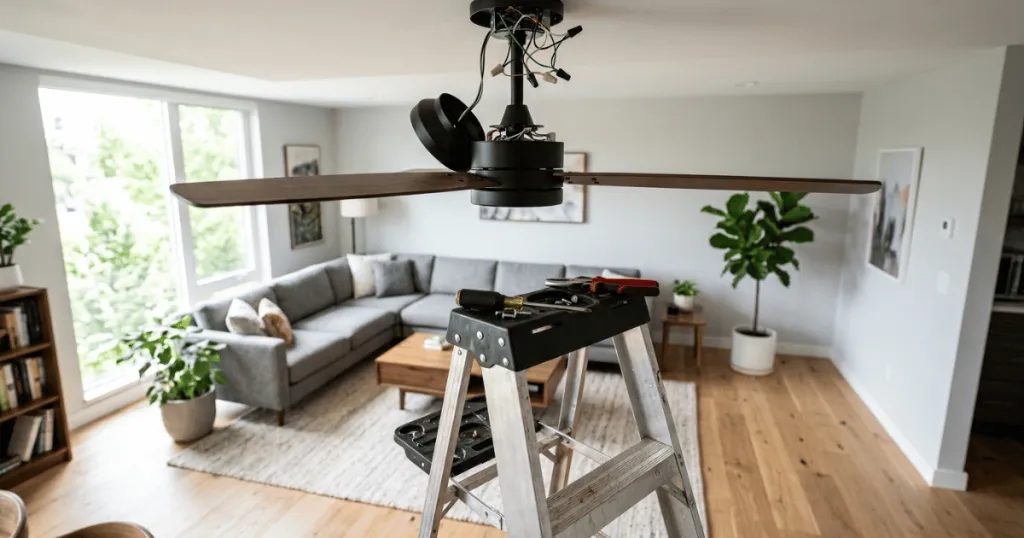
From an ownership perspective, consider the installation process before you buy. Some of their more complex, design-heavy models require more time and precision to balance and install correctly. If you are not comfortable with electrical work or working on a ladder, budgeting for professional installation is a wise choice. Proper installation is the single most important factor in ensuring the fan runs quietly and efficiently for the duration of its life.
Who This Brand Is and Is Not a Good Fit For
Fanimation is an excellent fit for homeowners who prioritize interior design and are looking for a ceiling fan that acts as a statement piece. If your home has a specific aesthetic theme, such as tropical, industrial, or modern, the brand likely has a model that will integrate seamlessly. They are also a great choice for those who want the energy efficiency and quiet operation of a DC motor, and who are willing to manage a slightly more complex control system to get those benefits.
Conversely, this brand is likely not the right fit for someone looking for the absolute lowest price point. If your goal is to outfit a rental property or a utility space with the most basic, functional fan possible, you may find their pricing and design-heavy features to be more than what you need. The extra cost is tied to the design and the brand’s reputation, which may not provide value in a purely utilitarian scenario.
Additionally, if you are a DIY enthusiast who prefers simple, mechanical controls and wants to avoid any reliance on proprietary electronics, you might find some of their modern models to be more complex than you prefer. While their build quality is high, the reliance on integrated PCBs and remote receivers means there is more to potentially service in the future. If you value simplicity above all else, look for models with more traditional, non-integrated control schemes.
Ultimately, the decision to choose Fanimation Ceiling Fans should be based on your desire for a balance between reliable, efficient performance and a high-quality design aesthetic. If you are willing to invest in a fixture that will be a visible part of your home for years, they offer a compelling range of options that are well-regarded by both designers and homeowners alike.