Affiliate Disclosure: As an Amazon Associate, I earn from qualifying purchases.
When homeowners begin researching cooling solutions, Harbor Breeze Ceiling Fans often surface as a primary point of interest due to their widespread availability and approachable design language. The brand is best known for balancing aesthetic variety with a price-to-performance ratio that targets the mainstream residential market. Rather than focusing on high-end architectural installations, these fans are engineered for everyday living spaces where the goal is reliable air circulation without excessive complexity.
Understanding whether this brand aligns with your household needs requires looking past the surface-level styling. Because these fans are frequently selected for bedrooms, living rooms, and covered patios, they occupy a specific niche in the home improvement sector. Our review examines the practical reality of living with these units, from installation considerations to long-term performance expectations, helping you determine if they are the right match for your specific room requirements.
The brand has successfully carved out a reputation for being the accessible entry point for many first-time homeowners. By focusing on standardized mounting systems and common aesthetic preferences, they remove much of the guesswork from the selection process. This reliability in the retail space means that parts, manuals, and technical support are rarely difficult to locate, which is a significant factor for those who prefer to handle their own home maintenance.
Market Positioning of Harbor Breeze Ceiling Fans
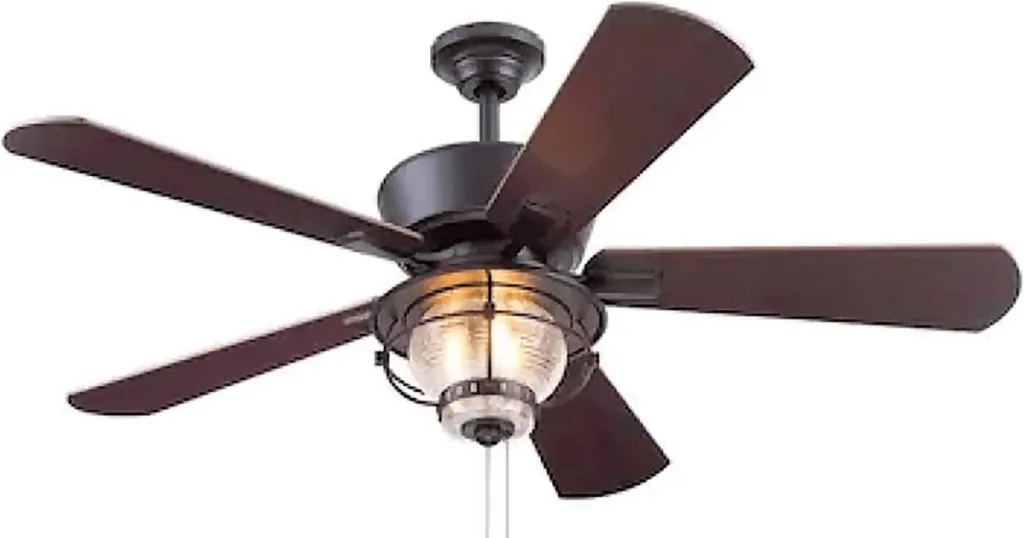
Harbor Breeze occupies a dominant position in the entry-to-mid-level ceiling fan market. The brand is primarily associated with accessibility, ensuring that homeowners can find a functional cooling solution at a local home improvement retailer without needing to consult a specialized lighting showroom. This positioning makes them a go-to option for quick replacements or standard room upgrades where the budget is focused on functional comfort rather than luxury statement pieces.
The brand distinguishes itself by offering a vast array of styles that cater to shifting interior design trends. Whether a room features a modern farmhouse aesthetic, a traditional look, or a minimalist approach, the product catalog typically includes a configuration that fits. This breadth of design is a core part of their market strategy, allowing them to remain relevant to a wide demographic of DIY-minded homeowners who value visual consistency across different rooms in a house.
Unlike boutique manufacturers that focus on bespoke craftsmanship or ultra-quiet industrial motors, Harbor Breeze focuses on the intersection of utility and mass-market appeal. They provide a reliable baseline for air movement that satisfies the majority of residential cooling needs. By prioritizing common mounting heights and standard control interfaces, they minimize the friction often associated with installing new ceiling fans, making them a practical choice for those who want a straightforward, effective result.
Product Line and Category Range
The product catalog for Harbor Breeze is expansive, covering virtually every standard residential application. Their range includes everything from compact 42-inch fans designed for small bedrooms or home offices to large-diameter models intended for vaulted ceilings and open-concept living areas. This variety ensures that homeowners can find a consistent brand look throughout a home, even when room sizes differ significantly.
Mounting options are a critical component of their product range. You will find standard downrod mounts, flush mount ceiling fans for rooms with lower ceilings, and angled mounts for sloped surfaces. This versatility is essential for DIY installers who need to navigate the specific architecture of older homes or modern builds with varying ceiling heights. The brand also offers a selection of outdoor ceiling fans, which are specifically engineered to withstand humidity and moisture in covered porches or lanais.
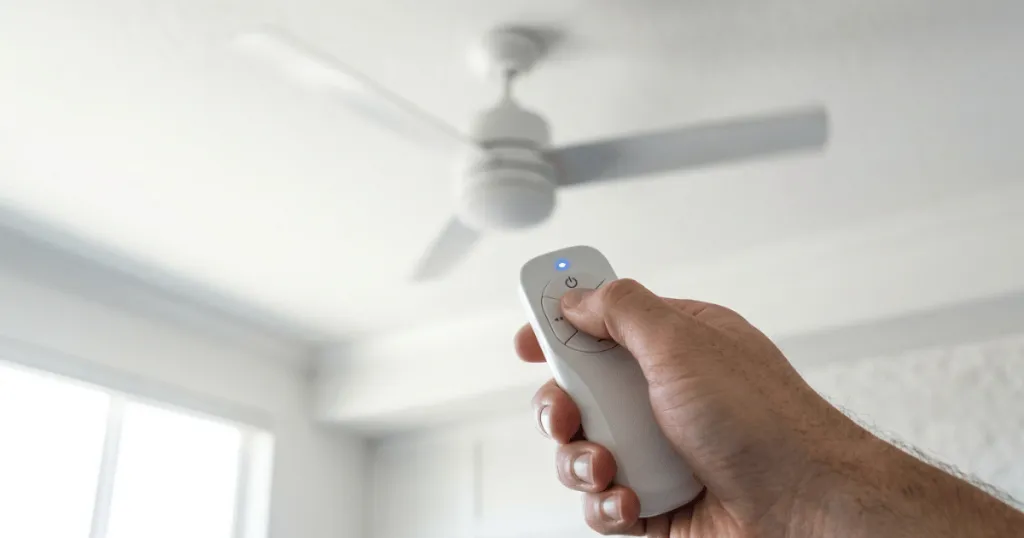
Control interfaces represent another layer of their product diversity. While many models rely on traditional pull chains for simplicity, a significant portion of the line features wall-mounted controls or handheld remotes. Some newer iterations incorporate smart ceiling fans technology, allowing for integration with voice assistants or mobile apps. This range of control options allows homeowners to select the level of technical interaction that matches their personal comfort preferences and existing home infrastructure.
When considering the product range, it is helpful to think about the specific airflow requirements of your room. A small bedroom might only require a basic three-blade unit, while a large living room with high ceilings will benefit from a larger diameter fan with a more robust motor. Harbor Breeze provides clear guidance on sizing, which helps prevent the common mistake of installing an undersized fan that fails to move enough air. Always check the blade pitch and motor size when comparing models, as these factors directly influence how much air is circulated in your living space.
Typical Quality Tier and Build Reputation
In terms of build quality, Harbor Breeze is generally categorized as a consumer-grade manufacturer. The components, including motor housings, blade materials, and light kits, are selected to provide a balance between durability and cost-effectiveness. While they do not utilize the high-grade cast iron or heavy-duty industrial components found in premium commercial fans, they are built to withstand the rigors of standard residential use.
The motors used in these fans are typically standard AC motors, though the brand has expanded into more energy-efficient DC motor options in recent years. An AC motor is a proven technology that provides reliable torque for daily operation, though it may produce more audible hum at high speeds compared to premium DC alternatives. For most homeowners, the noise level is well within acceptable limits for bedrooms and living areas, provided the fan is installed and balanced correctly.
Blade construction varies across the line, ranging from high-quality MDF to solid wood and weather-resistant polymers for outdoor models. The fit and finish of these materials are generally consistent, though the longevity of the finish can depend on the environment. In climate-controlled interiors, these fans often perform reliably for many years, whereas outdoor-rated models require adherence to specific maintenance schedules to prevent premature wear from the elements.
One aspect of build quality that often surprises new owners is the weight of the unit. Because these fans are designed for residential electrical boxes, they are engineered to be lightweight enough for standard installation without requiring structural reinforcement of the ceiling. While this makes the ceiling fan installation process much easier, it also means that the housing might feel less substantial than a heavy-duty industrial fan. This is a deliberate design choice that prioritizes ease of use for the average homeowner over the heavy-duty construction required for commercial settings.
Common Strengths and Weaknesses
The most significant strength of Harbor Breeze is the ease of acquisition and installation. Because these fans are designed with the DIY installer in mind, the instructions are generally clear and the hardware kits are comprehensive. This reduces the likelihood of installation errors and helps homeowners complete a room update in a single afternoon without needing professional assistance.
Another notable strength is the aesthetic versatility. The brand is quick to adapt to current interior design trends, offering finishes like matte black, brushed nickel, and various wood tones that align with modern furniture and decor. This makes it easy to find a fan that complements the existing color palette of a room without appearing out of place or dated.
On the side of potential weaknesses, some users may find that the light kits on certain models are not as bright as desired. Because many units use integrated LED light kit modules, replacing a dim light with a brighter bulb is not always possible. Homeowners who prioritize high-lumen output for task lighting should check the specific lumen ratings of the integrated light kit before committing to a model.
Another factor to consider is the potential for wobble or noise if the fan is not perfectly balanced during installation. While this is a common issue with many ceiling fans, the lighter-weight materials used in some entry-level models may be slightly more sensitive to minor imbalances. Taking the time to ensure the downrod is secure and the blades are properly aligned is essential for achieving a quiet, smooth operation over the long term. If you notice a wobble, check the blade alignment first, as this is the most common culprit for vibration in residential fans.
Furthermore, while the motors are reliable, they are not immune to the occasional hum that can occur with speed controllers. If you are particularly sensitive to noise, look for models that specifically highlight quiet operation or those that utilize DC motor ceiling fans technology, which generally runs cooler and quieter than traditional AC motors. Understanding these trade-offs allows you to choose a model that aligns with your sensitivity to noise and your expectations for performance.
Warranty, Support, and Ownership Considerations
Ownership of a Harbor Breeze fan is generally straightforward, largely because the brand is backed by a robust support network. If a component fails or a part is missing from the box, replacement parts are often readily available through the retailer or the manufacturer. This is a distinct advantage over smaller, niche brands where sourcing a replacement light cover or remote receiver can be difficult or impossible.
The warranty terms typically cover the motor for a significant period, reflecting the manufacturer’s confidence in the core mechanical component. However, it is important to review the specific warranty documentation for the model you choose, as coverage for light kits and electronic controls may have shorter durations. Keeping a copy of your purchase receipt is essential, as it serves as the primary proof of ownership for any potential warranty claims.
From a maintenance perspective, these fans require minimal effort. Periodic dusting of the blades and checking for any loose screws after the first few months of use are usually sufficient to keep the fan operating at peak efficiency. Should you encounter an issue with the remote control or wall switch, troubleshooting guides are widely available, and the modular nature of the electronics often makes it easy to swap out a faulty receiver. Regular fan maintenance, such as cleaning the blades to prevent dust buildup, also helps maintain balance and prevents unnecessary strain on the motor.
Who This Brand Is and Is Not a Good Fit For
Harbor Breeze is an excellent fit for the homeowner who values functional reliability and aesthetic variety at a moderate price point. If you are looking to update multiple rooms in your home with a consistent design language, the brand offers enough options to make that possible without breaking the bank. It is also a strong choice for the DIY enthusiast who wants a project that is well-documented and relatively simple to execute.
However, this brand may not be the best choice for those seeking ultra-quiet, long-term heirloom quality or specialized architectural features. If your primary goal is to install a fan in a high-ceilinged great room where you require maximum airflow and whisper-quiet operation for decades, you might find that the premium engineering of specialized fan manufacturers offers a better return on investment. Similarly, if you are a design purist looking for unique, artisan-crafted materials, the mass-produced nature of these fans might feel too generic for your vision.
Ultimately, the decision comes down to your expectations for the space. For standard residential comfort, these fans provide a balanced solution that meets the needs of most households. By focusing on the specific requirements of your room, such as the need for a light kit, the desired control method, and the appropriate size for the square footage, you can select a model that provides years of reliable service and comfort. Consider your long-term plans for the room as well, as a neutral design choice often provides more flexibility if you decide to change your decor in the future.
FAQ
Are Harbor Breeze Ceiling Fans difficult to install for beginners?
Most Harbor Breeze Ceiling Fans are designed with the DIY installer in mind, featuring clear instructions and comprehensive hardware kits, making them suitable for beginners.
Can I use Harbor Breeze Ceiling Fans outdoors?
Yes, the brand offers specific outdoor-rated models designed to handle moisture and humidity, provided they are installed in covered areas like porches or lanais.
How do I troubleshoot a noisy fan from this brand?
Noise is often caused by an imbalance or loose hardware. Ensure the downrod is secure, the blades are properly aligned, and all mounting screws are tightened to restore smooth operation.