Affiliate Disclosure: As an Amazon Associate, I earn from qualifying purchases.
Hampton Bay Ceiling Fans occupy a distinct position in the home improvement market as a widely accessible, value-oriented brand. Known primarily for their ubiquity in residential settings, these fans are frequently chosen by homeowners who prioritize immediate availability and a broad range of aesthetic options over specialized, high-end engineering. Understanding the brand requires looking past the surface-level variety to grasp how their manufacturing tiers and control systems function in everyday living spaces.
When researching Hampton Bay Ceiling Fans, it is helpful to recognize that the brand functions largely as a private-label offering. This means that while the designs and specifications are curated for specific retail environments, the actual manufacturing is often outsourced to various factories. Consequently, the user experience can vary depending on the specific model tier, making it essential for homeowners to evaluate individual features like motor type, light kit integration, and mounting requirements rather than relying solely on the brand name.
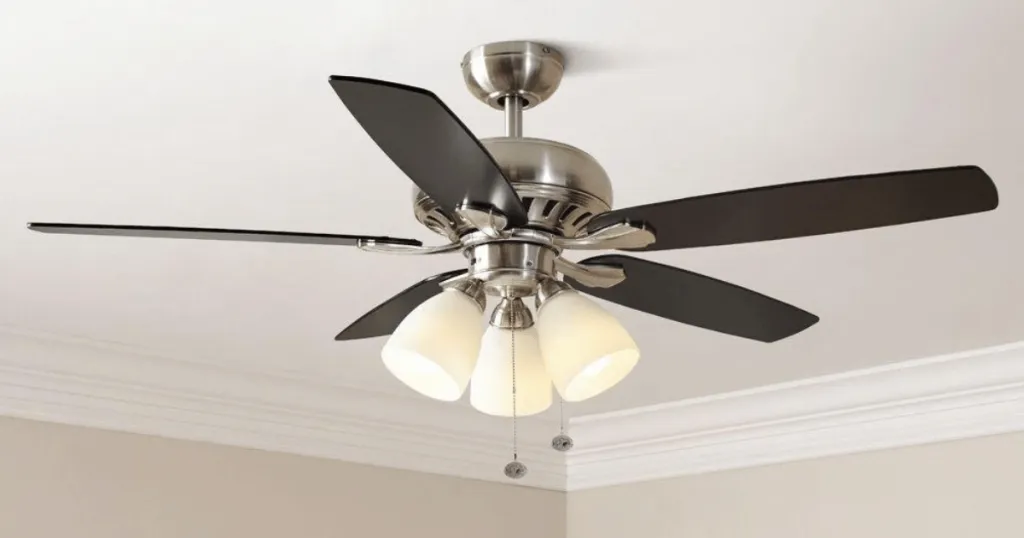
Brand Reputation and Market Positioning
Hampton Bay is firmly established as a mass-market brand. It is designed to serve the needs of the average homeowner who requires a functional, stylish cooling solution without the premium cost associated with boutique lighting or high-end architectural fan manufacturers. Their market presence is built on the premise of providing a wide array of styles, ranging from traditional and rustic to modern and minimalist, ensuring there is a model for almost any interior design scheme.
The brand’s reputation is largely defined by its accessibility. Because these fans are stocked in large volumes, they are often the first option a homeowner encounters when starting a DIY project or replacing an aging fixture. This high visibility means that the brand is often associated with the DIY community, where ease of installation and clear, straightforward instructions are highly valued. While they do not occupy the luxury segment, they fill a critical gap for budget-conscious consumers who still demand reliable performance for standard room sizes.
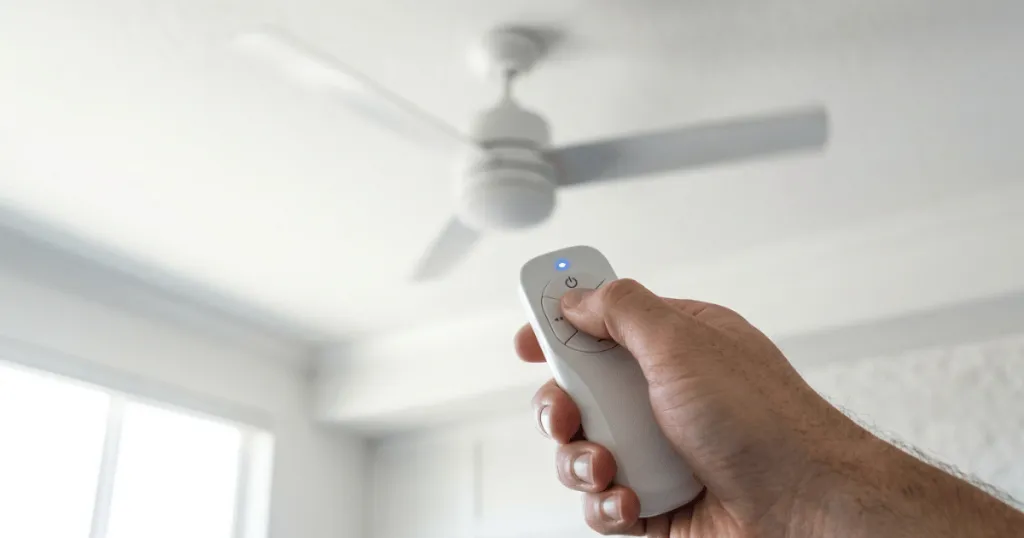
From a positioning standpoint, Hampton Bay competes primarily on value and variety. They do not typically lead the market in cutting-edge motor technology or proprietary smart-home integration, though they have steadily introduced more energy-efficient DC motor options and basic remote-control features. Their strength lies in their ability to translate current interior design trends into affordable hardware that can be installed in a single afternoon. For many, this makes them a practical choice for bedrooms, living rooms, and covered outdoor spaces where the goal is consistent airflow and aesthetic cohesion.
Product Line and Category Range
The product catalog for this brand is expansive, covering virtually every category of indoor and outdoor air circulation. This variety is one of their most significant advantages, as it allows homeowners to maintain a consistent design language throughout their home by selecting coordinating models for different rooms. Their lineup typically spans from small 42-inch fans suitable for compact home offices to large 60-inch-plus models designed for great rooms and vaulted ceilings.
Mounting options are a core component of their product range. You will find standard downrod mounts for high ceilings, flush-mount or hugger styles for low-clearance rooms, and angled-mount kits for sloped ceilings. This versatility ensures that regardless of the architectural constraints of a room, there is likely a configuration that fits. Additionally, the brand offers a significant selection of wet-rated and damp-rated outdoor fans, which are essential for porches, patios, and pergolas where moisture resistance is a prerequisite for longevity.
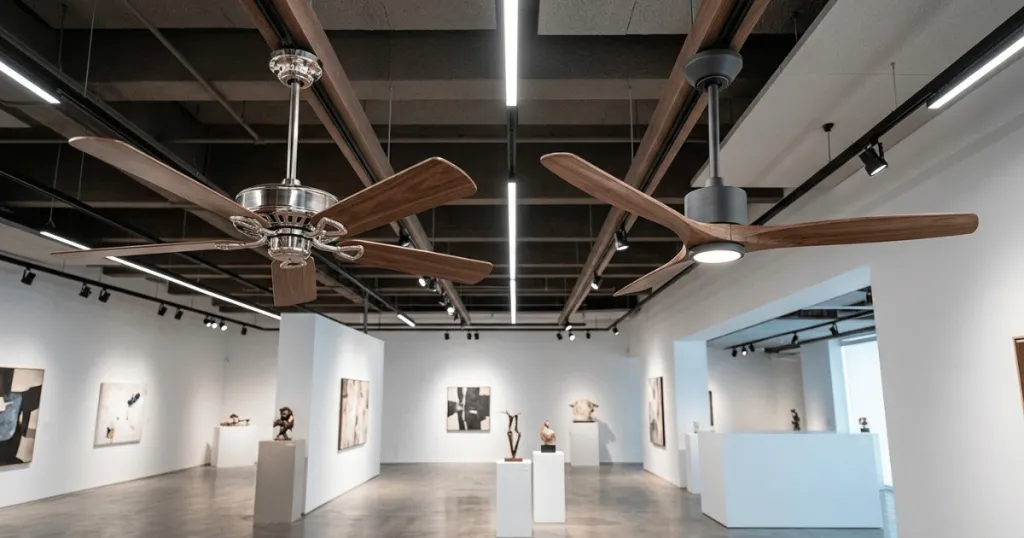
Beyond physical dimensions and mounting, the brand offers a diverse array of finishes and blade materials. From classic brushed nickel and matte black to oil-rubbed bronze and faux-wood finishes, the aesthetic range is designed to match common hardware trends. Light kits are also a standard feature, with many models now transitioning toward integrated LED arrays. These integrated systems offer the benefit of lower energy consumption and a slimmer profile, though they do require the owner to be comfortable with the specific light output and color temperature provided by the manufacturer.
Typical Quality Tier and Build Reputation
When evaluating the build quality of Hampton Bay Ceiling Fans, it is important to categorize them as entry-level to mid-range residential appliances. The materials used generally prioritize cost-effectiveness, utilizing stamped steel housings and composite or plywood blades in many of their more affordable models. While these materials are perfectly adequate for standard residential use, they do not offer the same level of structural rigidity or sound dampening found in heavy-duty, industrial-grade fans.
The internal components, particularly the motors, are the heart of the fan’s performance. The brand utilizes both AC and DC motors across its product lines. AC motors are the traditional standard, offering reliable, proven performance at a lower price point, though they may be slightly louder at high speeds. DC motors, which are increasingly common in the newer, higher-tier models, provide quieter operation, better energy efficiency, and more granular control over speed settings. For a homeowner, the choice between these motor types often comes down to a trade-off between initial cost and long-term operating efficiency.
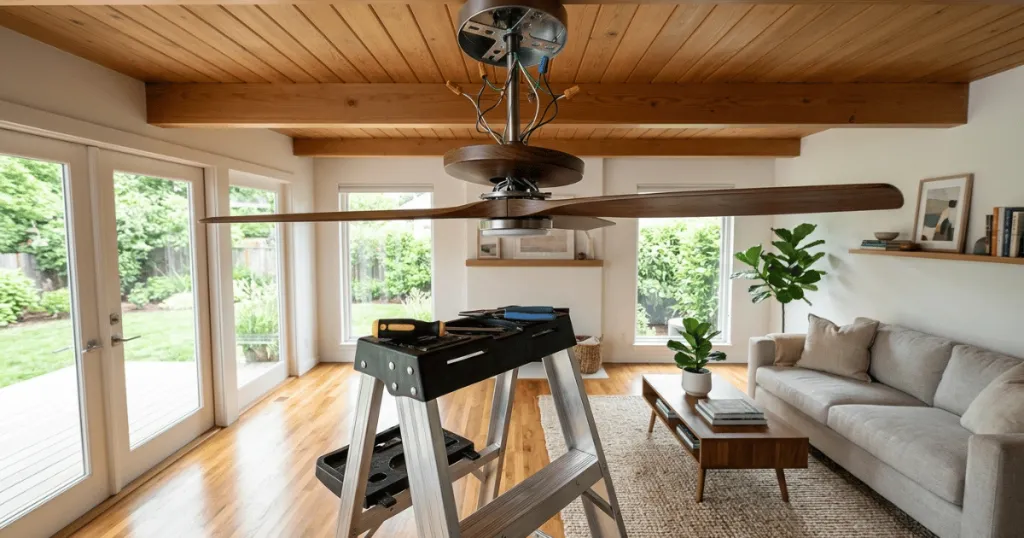
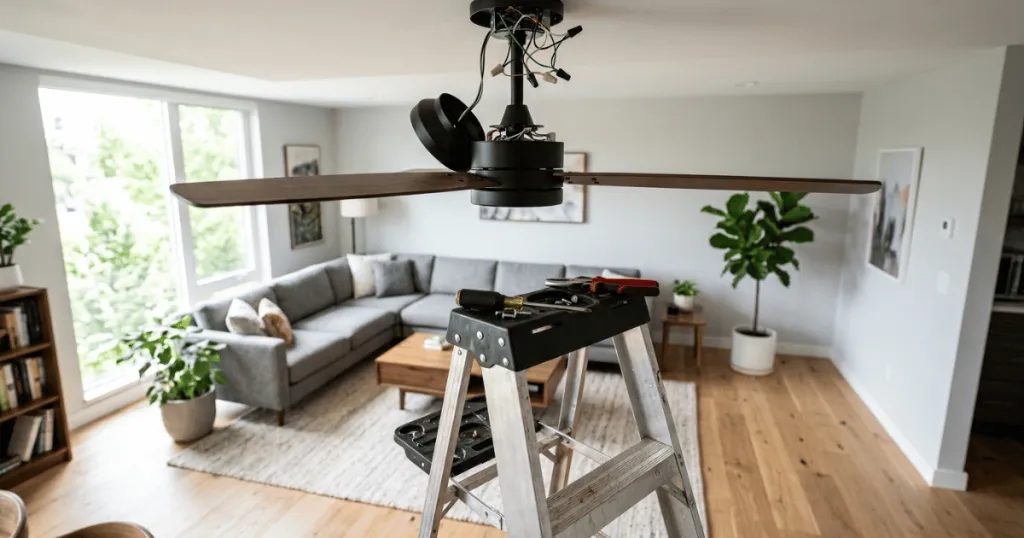
Installation hardware and mounting brackets are generally designed for the average DIYer. The inclusion of clear, illustrated manuals is a hallmark of the brand, aimed at reducing frustration during the assembly process. However, as with any mass-produced fixture, the quality of the finish and the precision of the parts can occasionally vary. It is common practice to check that all components are accounted for and that the motor housing is free of shipping-related dents before beginning the installation process, as this can save significant time and effort.
Common Strengths and Weaknesses
The most prominent strength of the brand is its price-to-performance ratio. For most homeowners, these fans provide sufficient airflow to improve comfort in living areas without requiring a significant financial investment. The breadth of their design catalog is another major asset, making it easy to find a fan that complements a specific room’s decor without needing to search through multiple specialty retailers. The widespread availability of parts and the ease of finding replacement remotes or light covers are also practical benefits of choosing a high-volume brand.
On the other hand, a common weakness relates to long-term durability and noise levels. While many units operate smoothly for years, some users report issues with motor hum or wobbling after extended use. These issues are often related to improper installation, such as failing to balance the blades or not securing the mounting bracket to a rated junction box. It is important to remember that a ceiling fan is a dynamic appliance with moving parts; even a well-built fan requires periodic maintenance, such as tightening screws and cleaning the blades to prevent dust buildup that can cause imbalance.
Another area where the brand can be polarizing is the use of proprietary components. While integrated LED light kits offer a sleek, modern look, they can be difficult to replace if the light source fails outside of the warranty period. Unlike fans that use standard E26 base bulbs, these integrated units may require replacing the entire light assembly. For homeowners who prioritize repairability and long-term modularity, this is a factor to consider before purchasing. A safer approach is to look for models that use standard bulb sockets if you prefer the ability to choose your own color temperature and lumen output.
Warranty, Support, and Ownership Considerations
Ownership of these fans is generally straightforward, but it is wise to understand the support landscape. The warranty coverage provided is usually competitive for the price point, covering the motor for a significant period, while other parts like the light kit and controls often have shorter coverage windows. It is essential to keep your proof of purchase and the model information in a safe place, as these are required for any potential warranty claims or when seeking technical support.
Support for these products is largely handled through the retail channels where they are sold. If you encounter a missing part or a defective component shortly after purchase, the most efficient path is typically through the retailer’s exchange policy. For long-term issues, the manufacturer’s customer service team can assist with troubleshooting or providing replacement parts. Because the brand is so common, many third-party technicians are familiar with their installation and maintenance requirements, which can be an advantage if you prefer professional help over DIY repairs.
One important thing many people overlook is the importance of the junction box. Regardless of the fan brand you choose, the ceiling box must be rated for fan support. A common mistake is attempting to install a heavy fan on a standard light fixture box, which can lead to safety hazards and excessive vibration. Always verify that your ceiling mounting point is secure and rated for the weight of the fan you intend to install, as this is the single most important factor in ensuring a quiet, wobble-free experience.
Who This Brand Is and Is Not a Good Fit For
Hampton Bay Ceiling Fans are an excellent fit for homeowners who are looking for a practical, stylish, and budget-friendly solution for everyday comfort. They are ideal for DIYers who want a project they can manage on their own and for those who need to outfit multiple rooms with a consistent look without breaking the bank. If your priority is finding a fan that matches your current interior design and provides reliable, standard airflow, this brand is likely to meet your needs effectively.
Conversely, this brand may not be the best fit for those seeking high-end, architectural-grade fixtures or those with very specific, high-performance requirements. If you are looking for a fan with ultra-quiet, industrial-grade engineering, advanced home automation integration, or heirloom-quality materials like solid brass or hand-carved wood, you might find the offerings here too limited. Additionally, if you are a homeowner who insists on maximum repairability and the ability to swap out every component, the trend toward integrated LED kits and proprietary control systems may be a point of frustration.
Ultimately, the decision comes down to your expectations for the space. For a bedroom, living room, or patio where you want a functional appliance that looks good and performs well, these fans provide a balanced solution. If you are designing a high-end custom home or require specialized features that go beyond standard cooling, you may want to explore brands that focus on niche engineering and premium materials. By aligning your expectations with the product’s intended use, you can make a choice that brings comfort to your home for years to come.